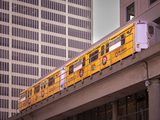
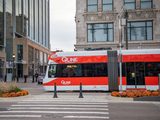
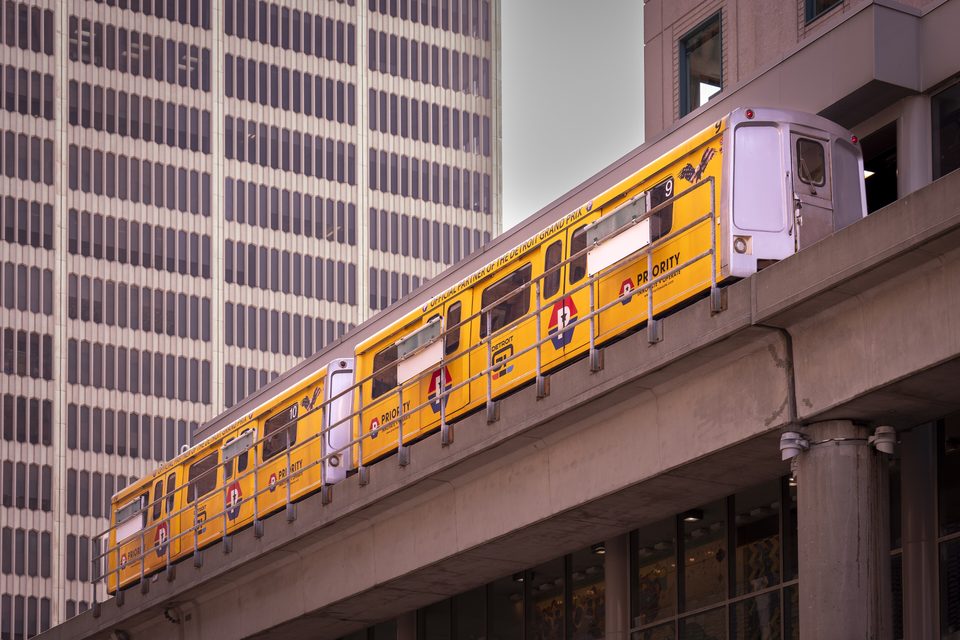
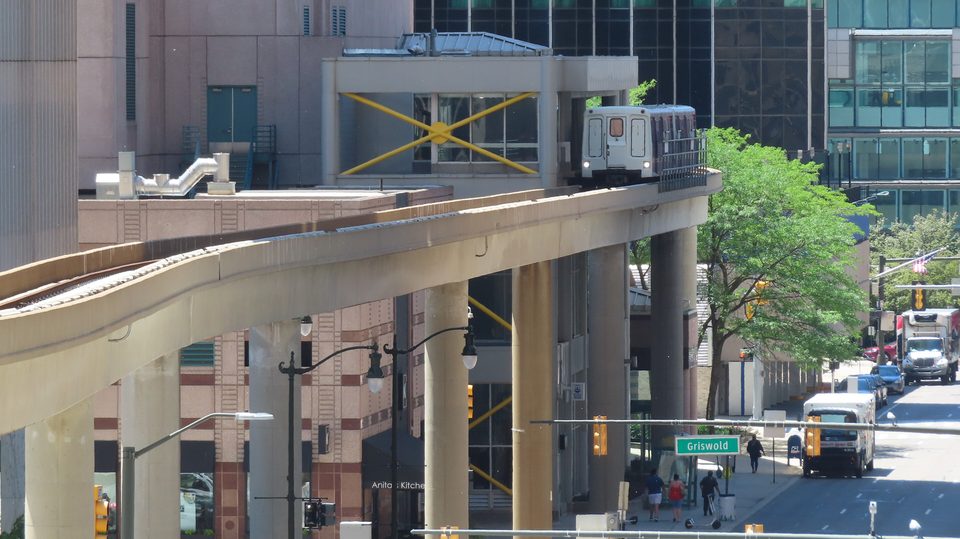
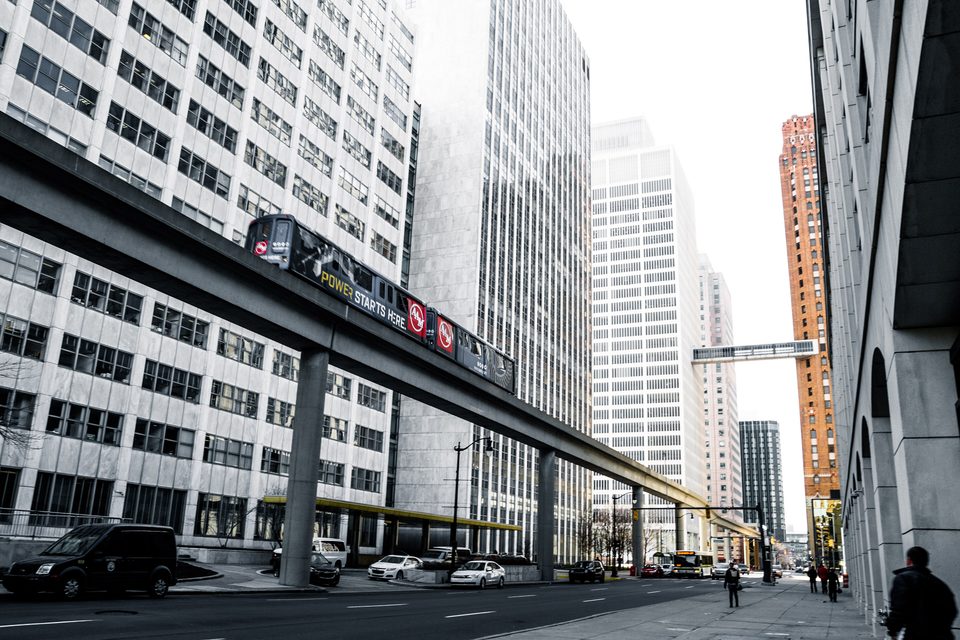
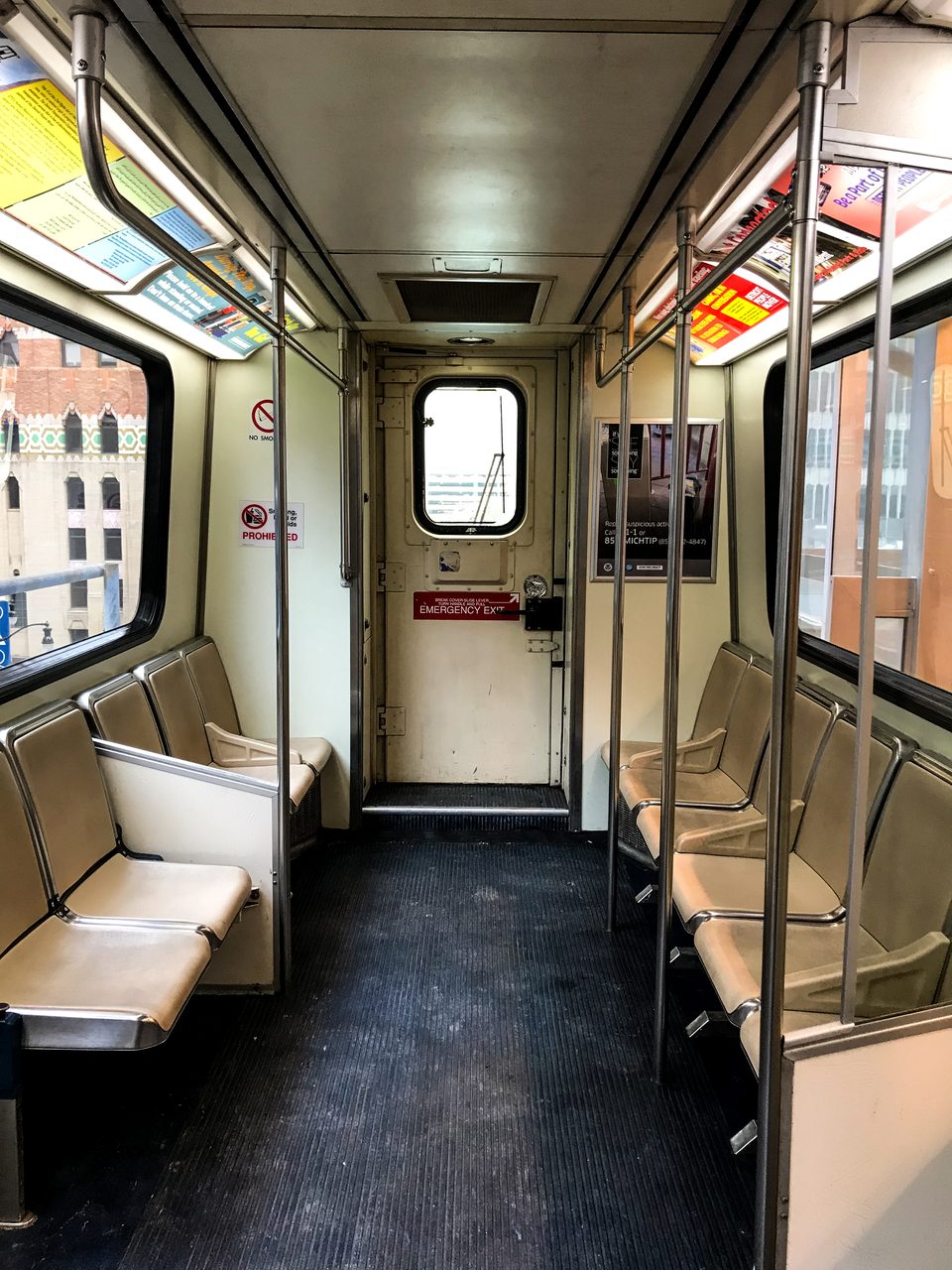
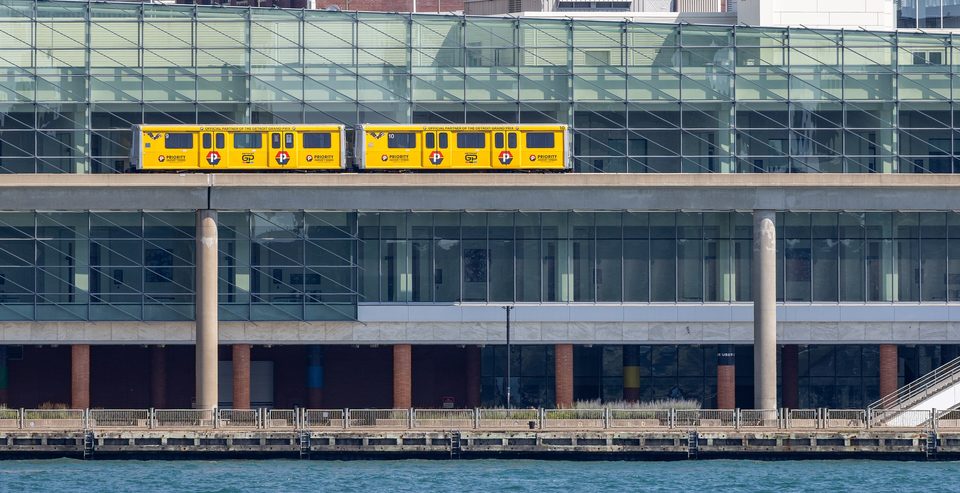
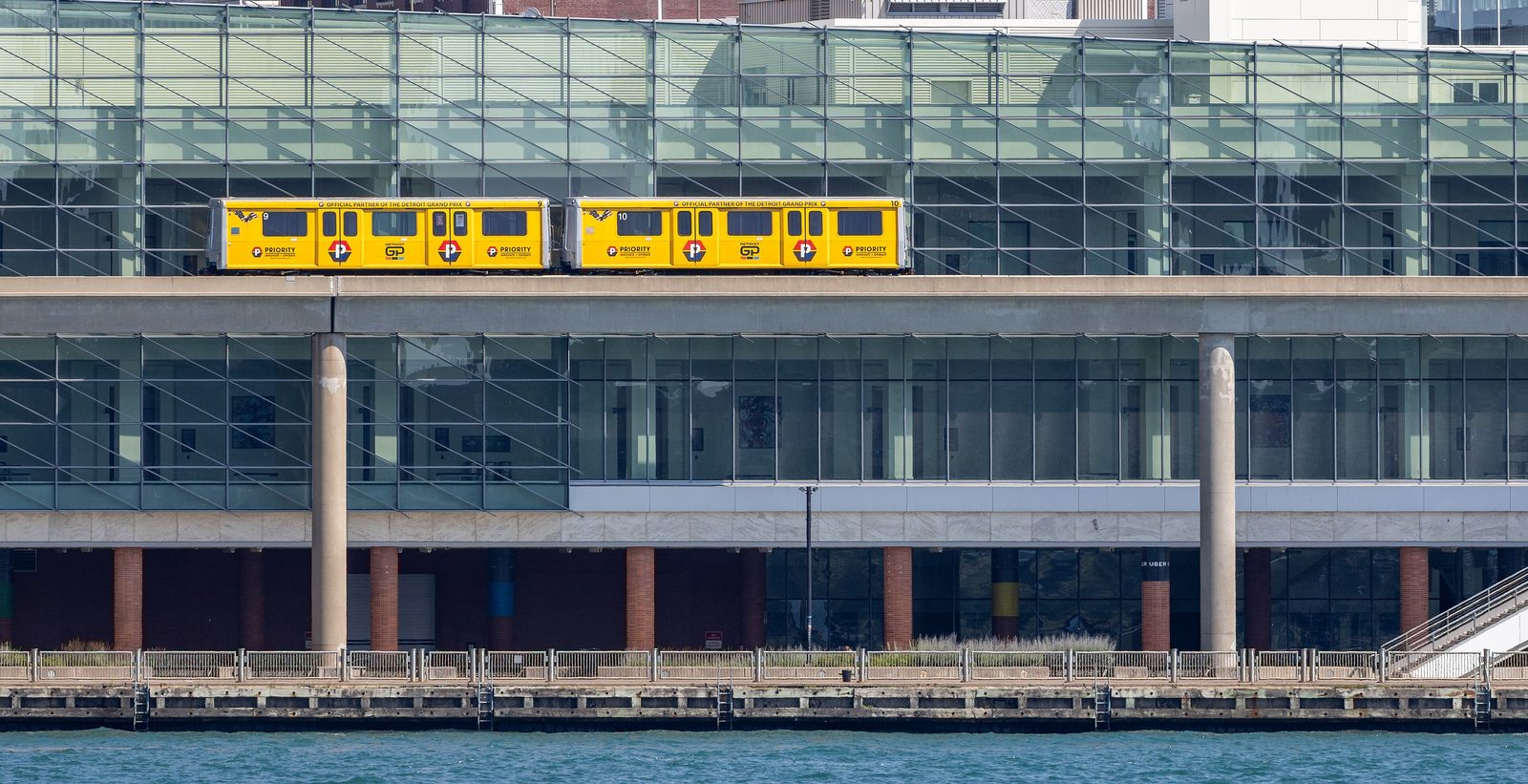
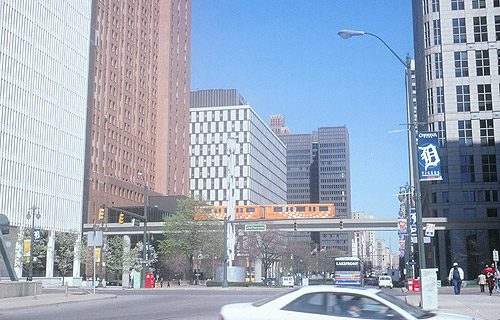
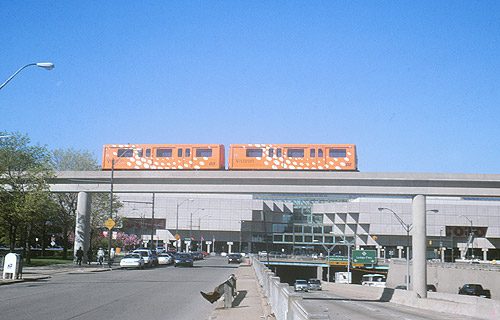
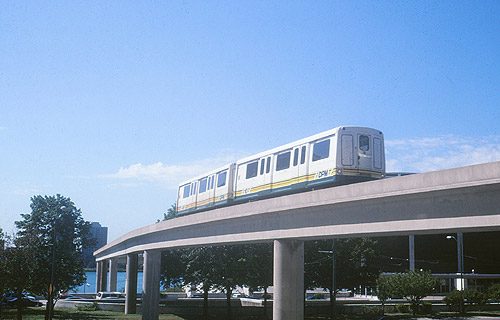
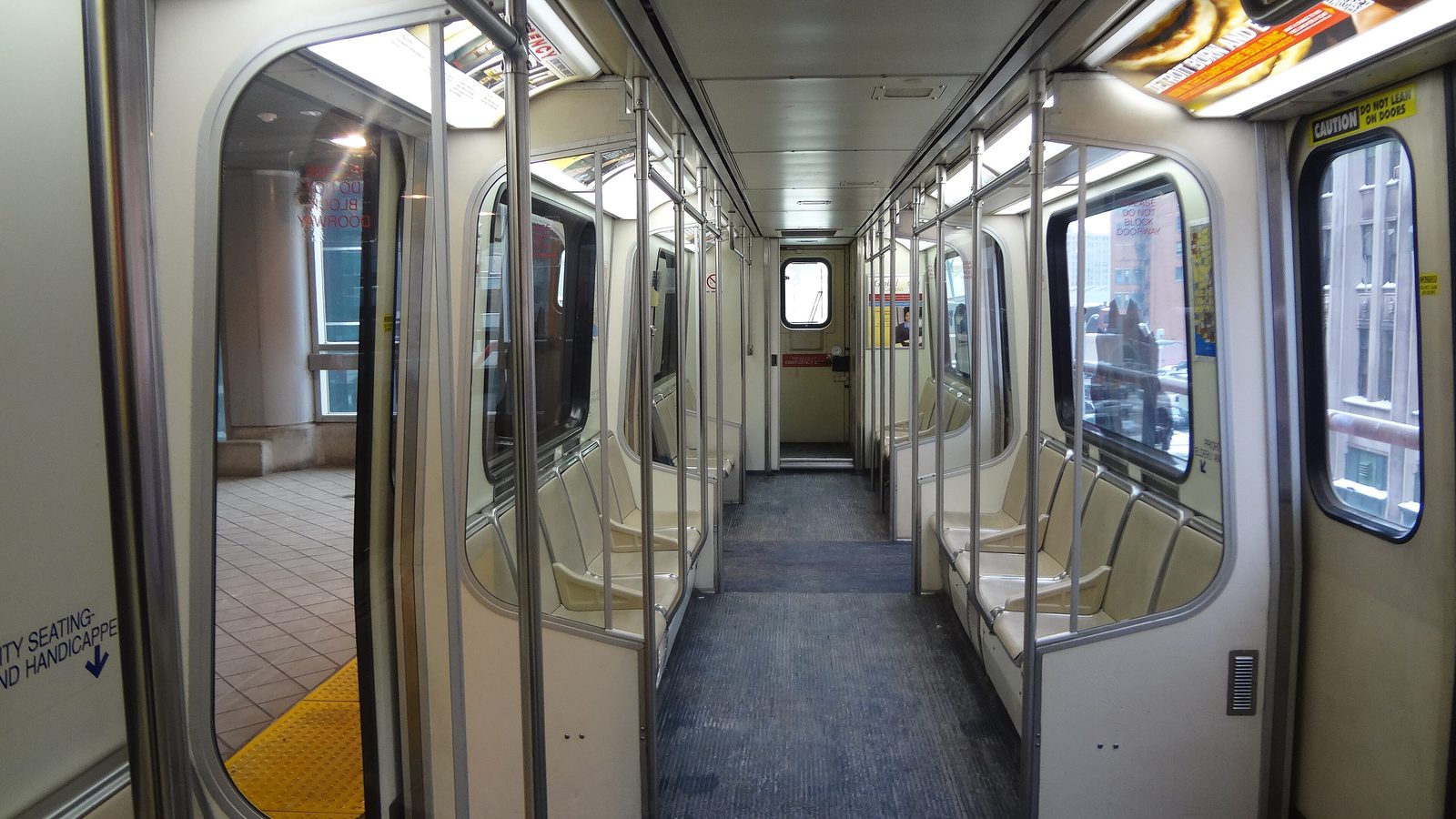
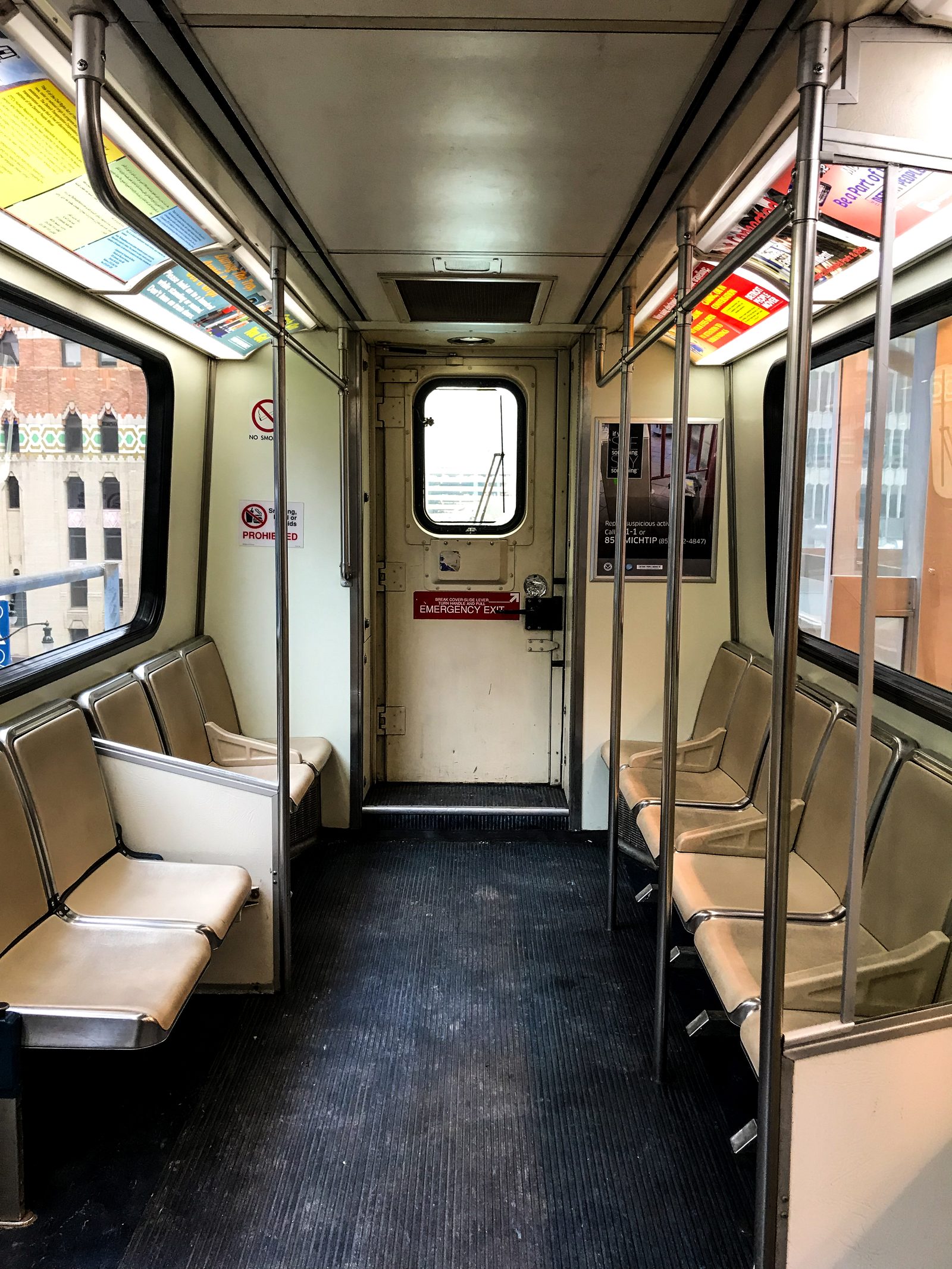
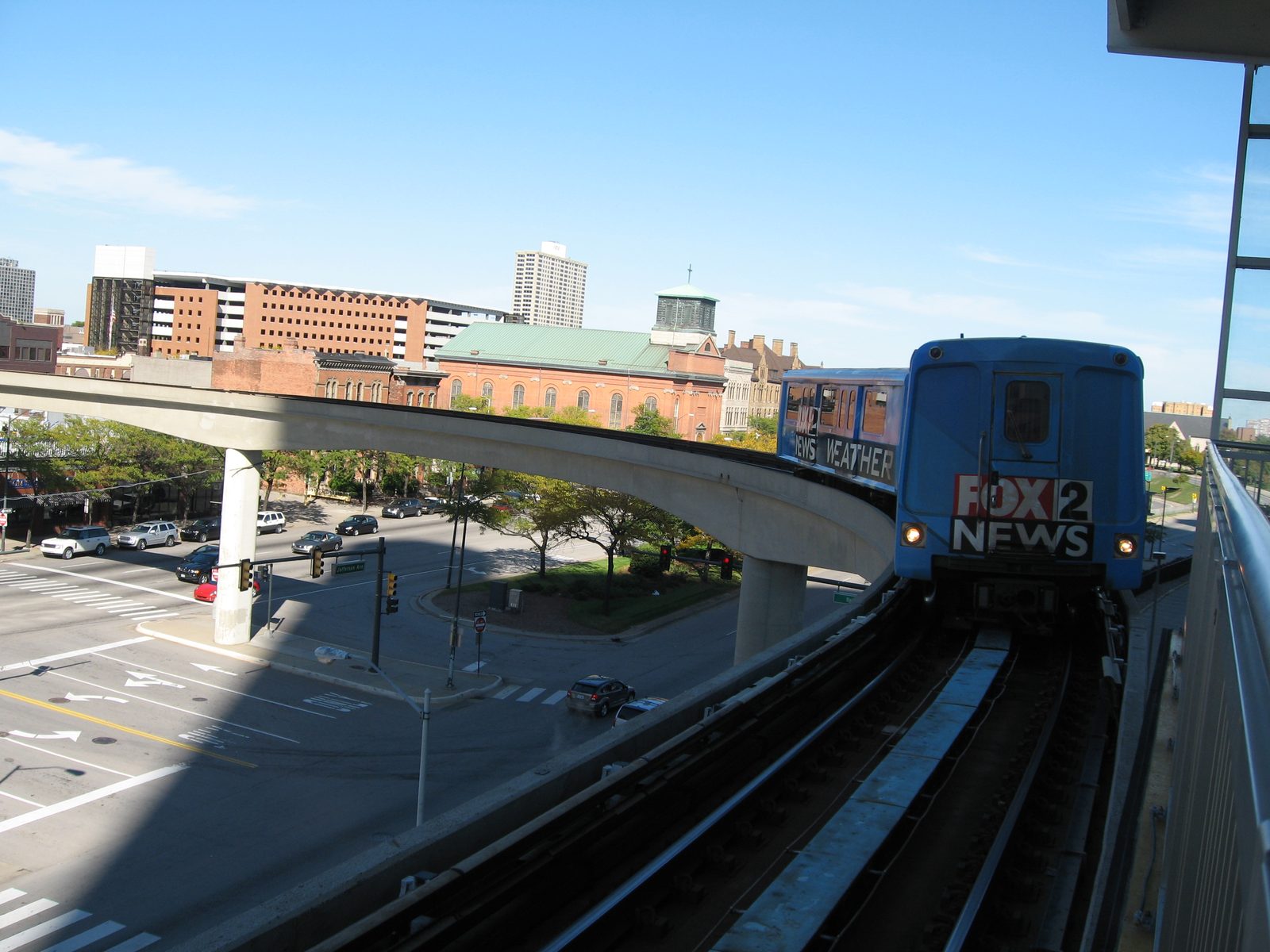
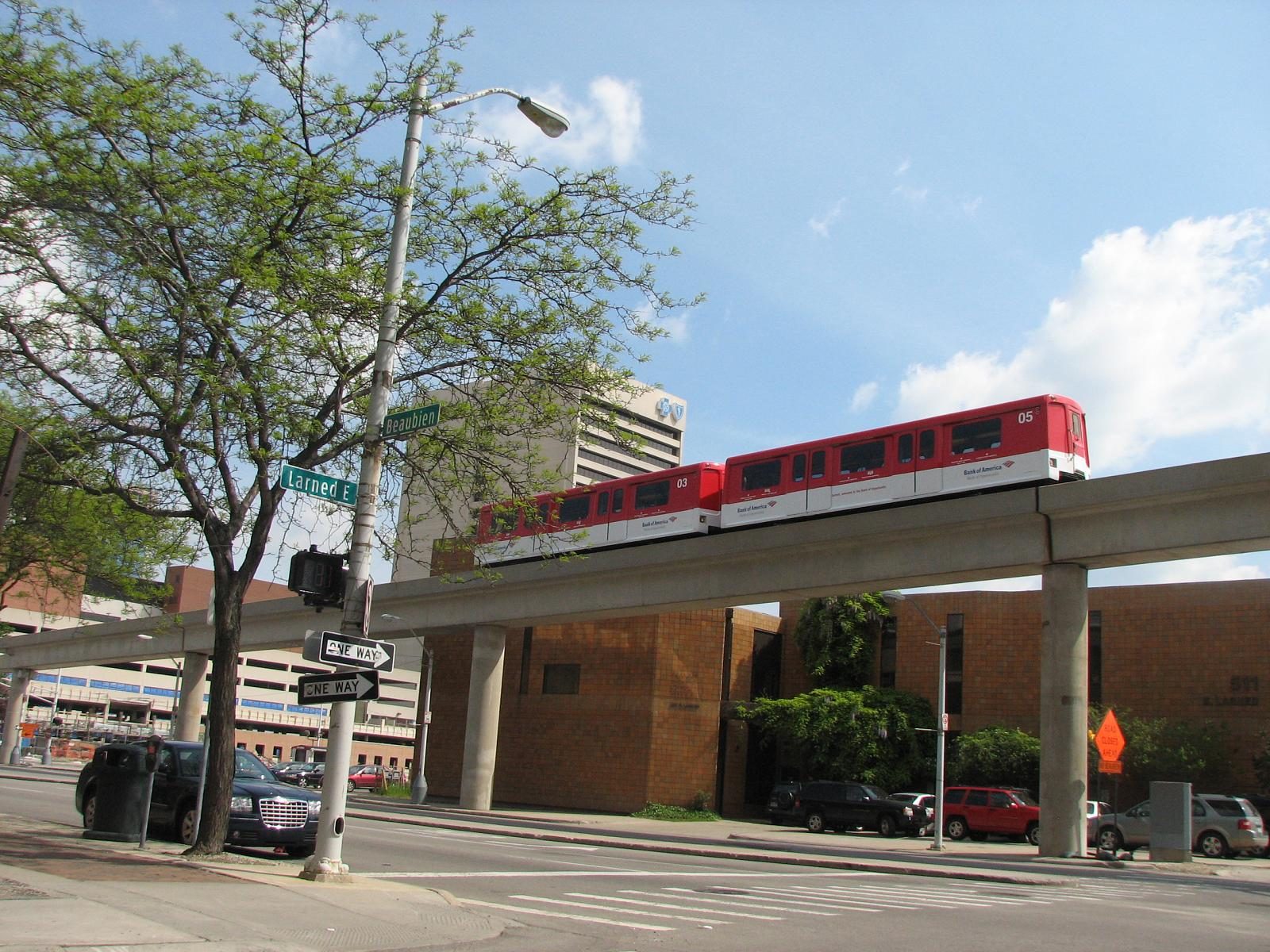
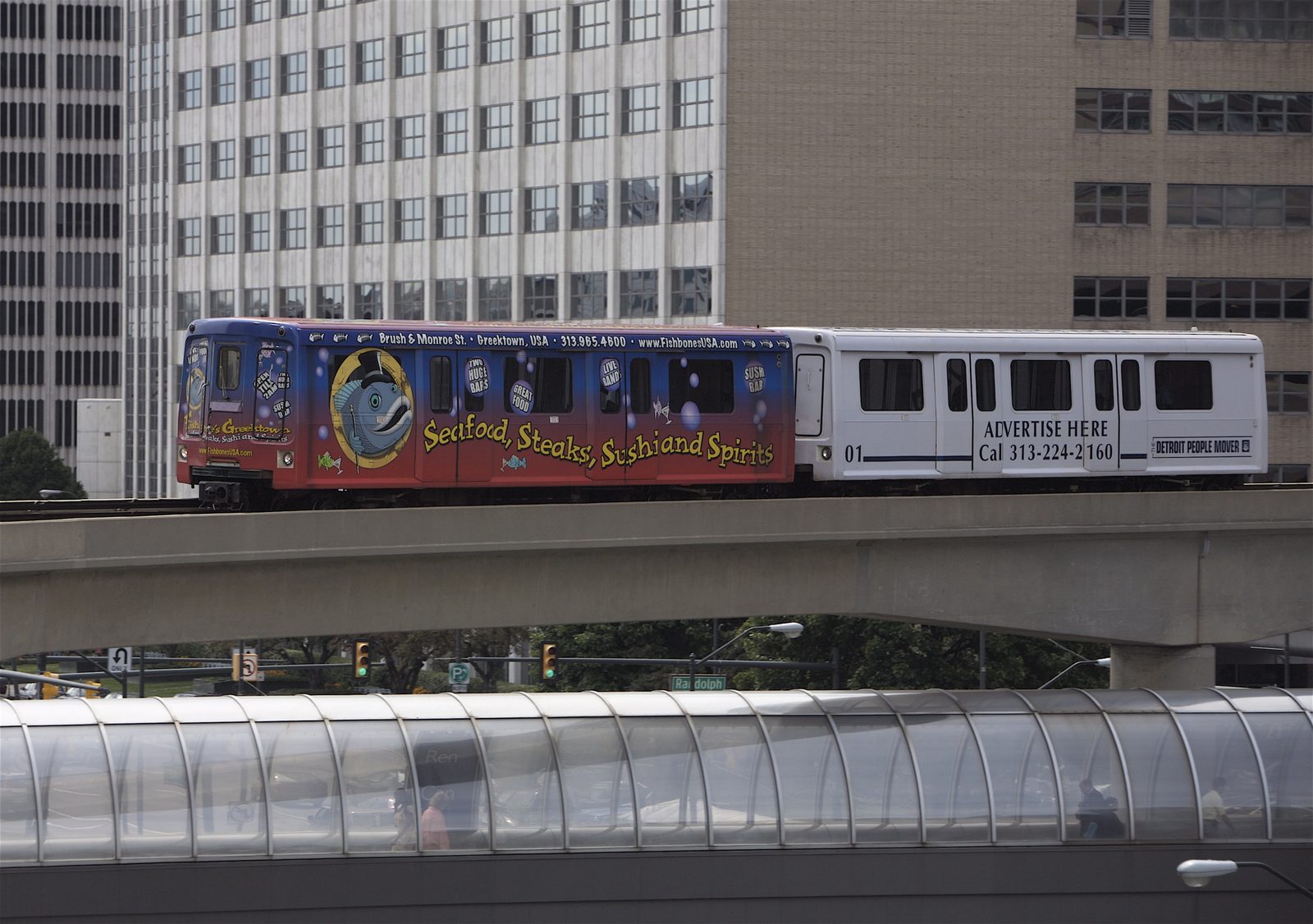
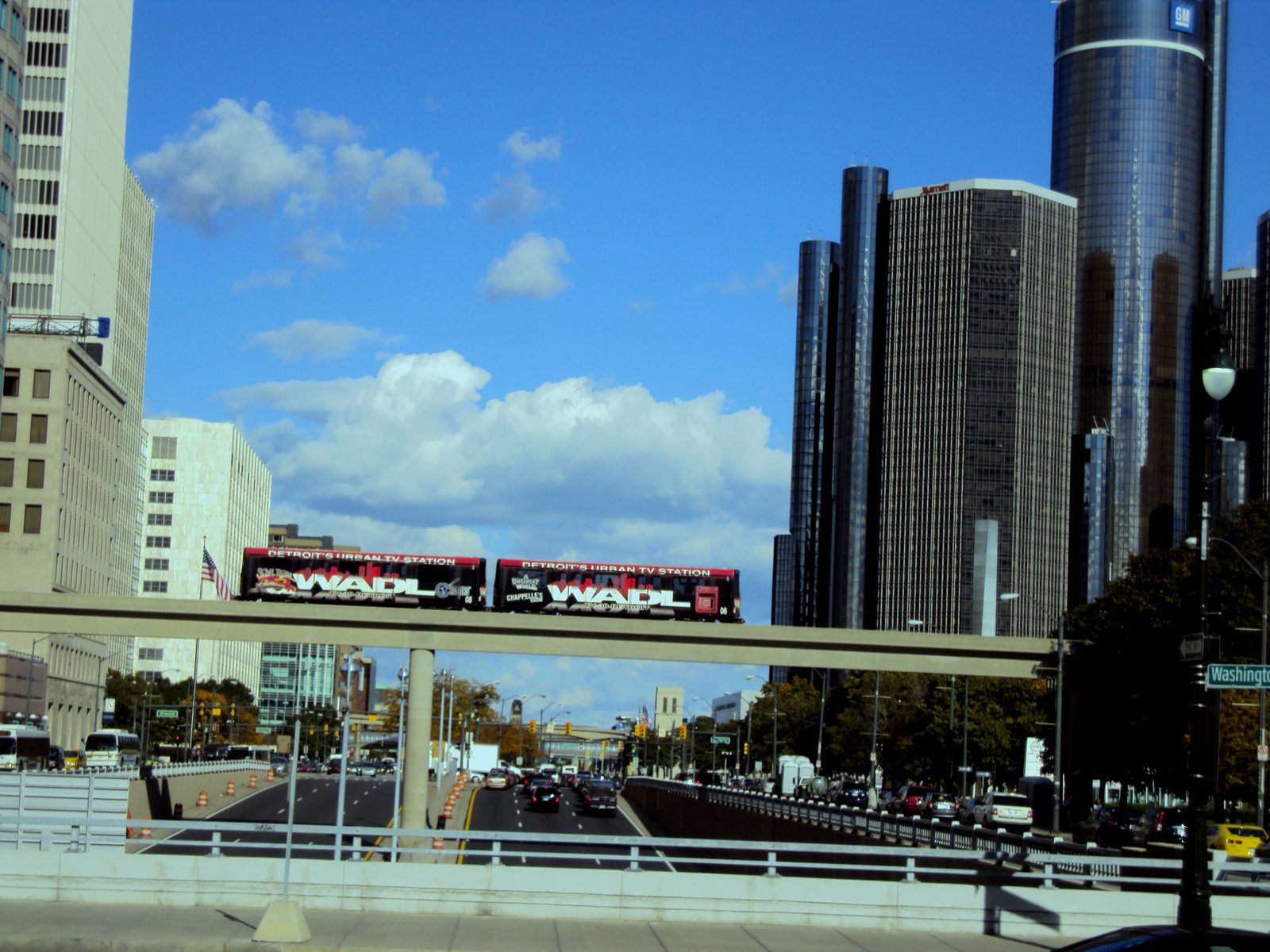
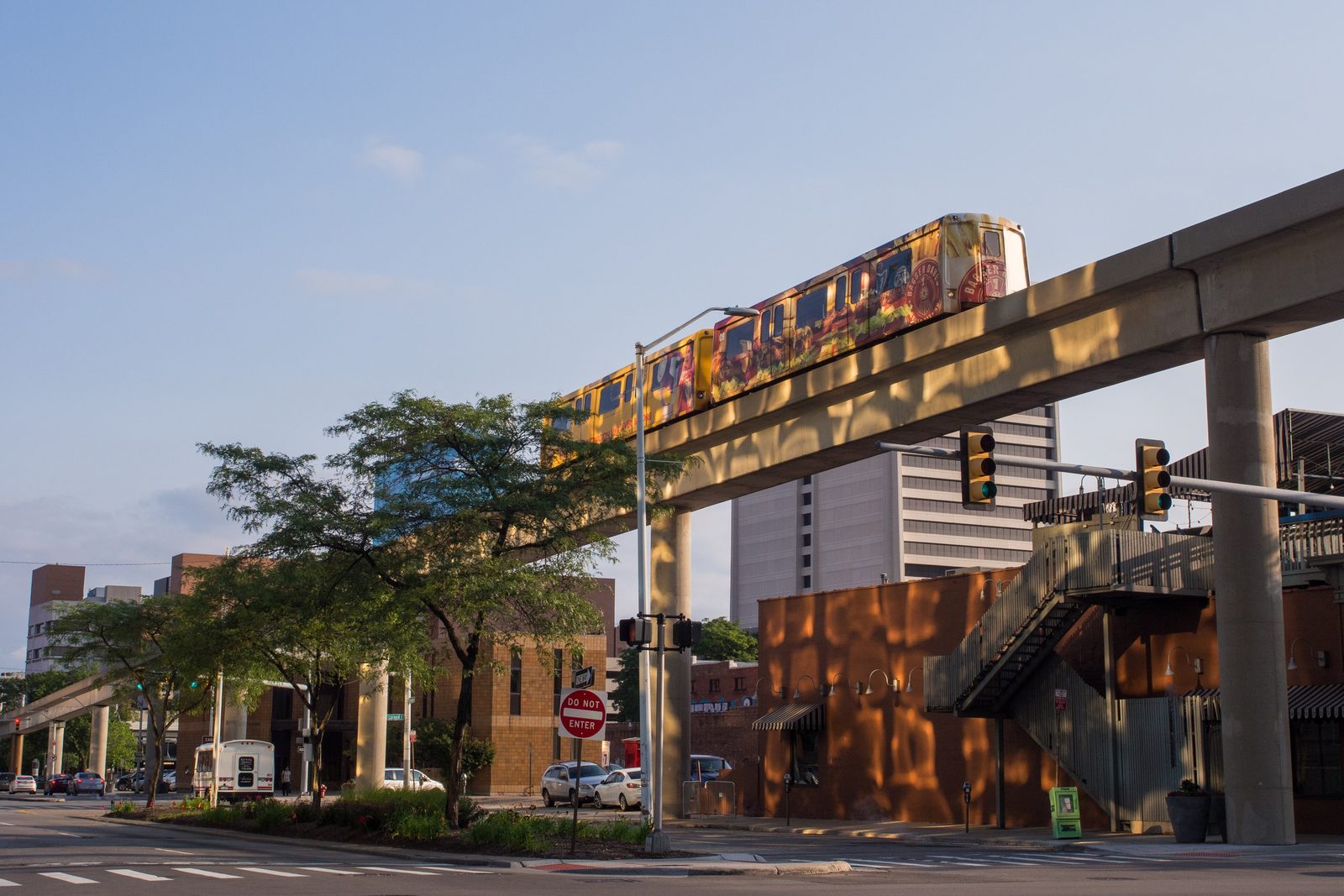
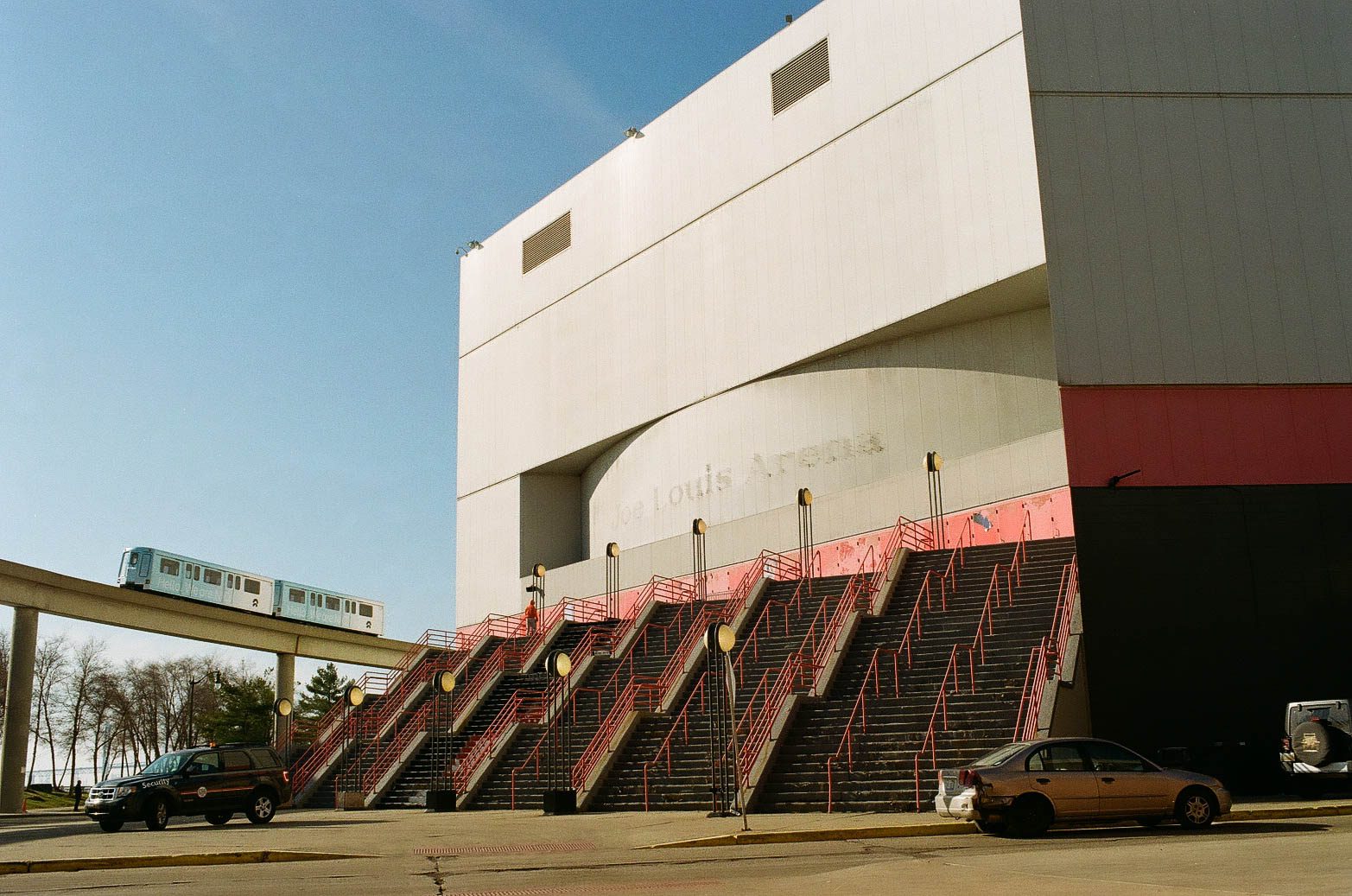
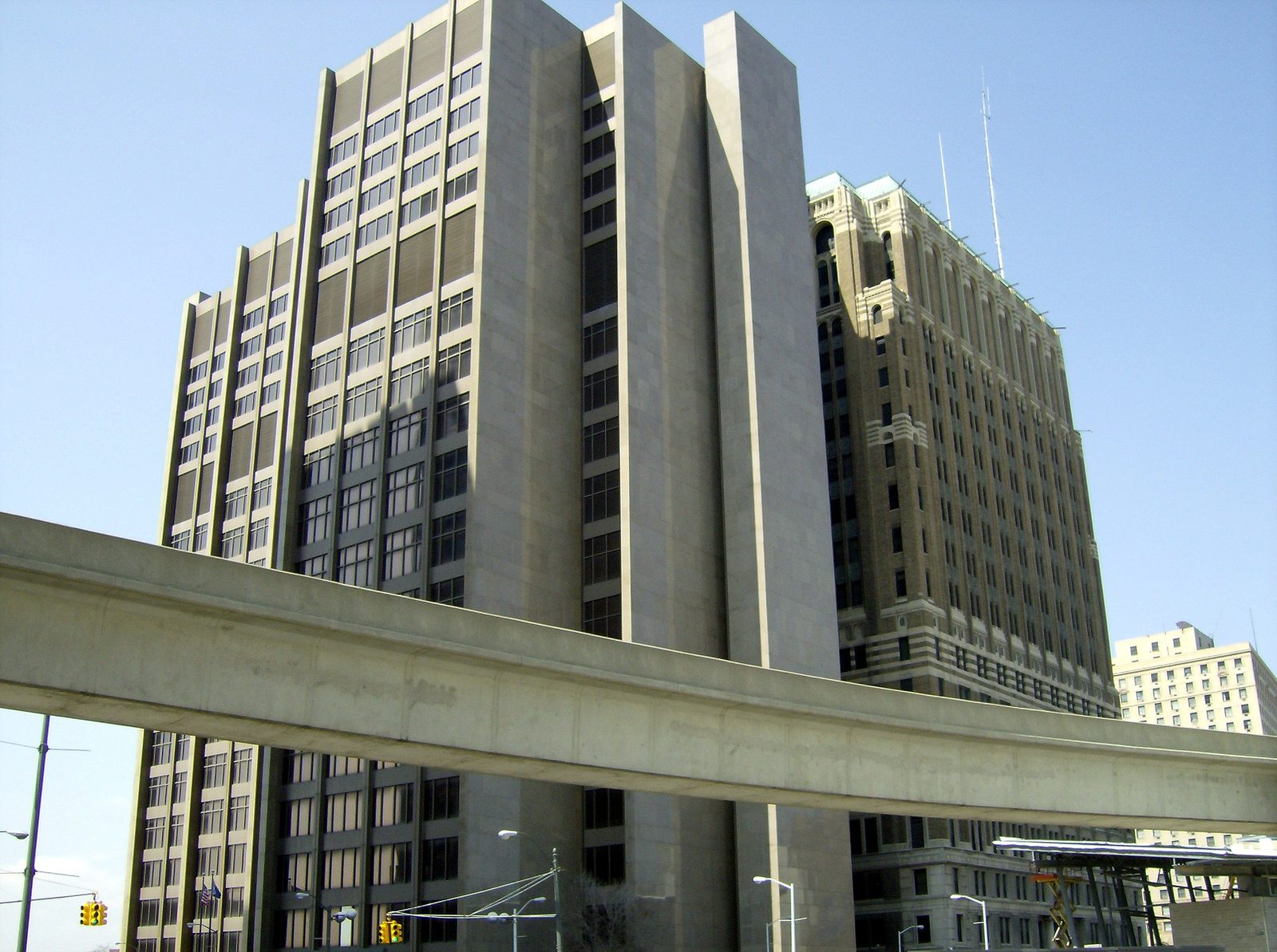
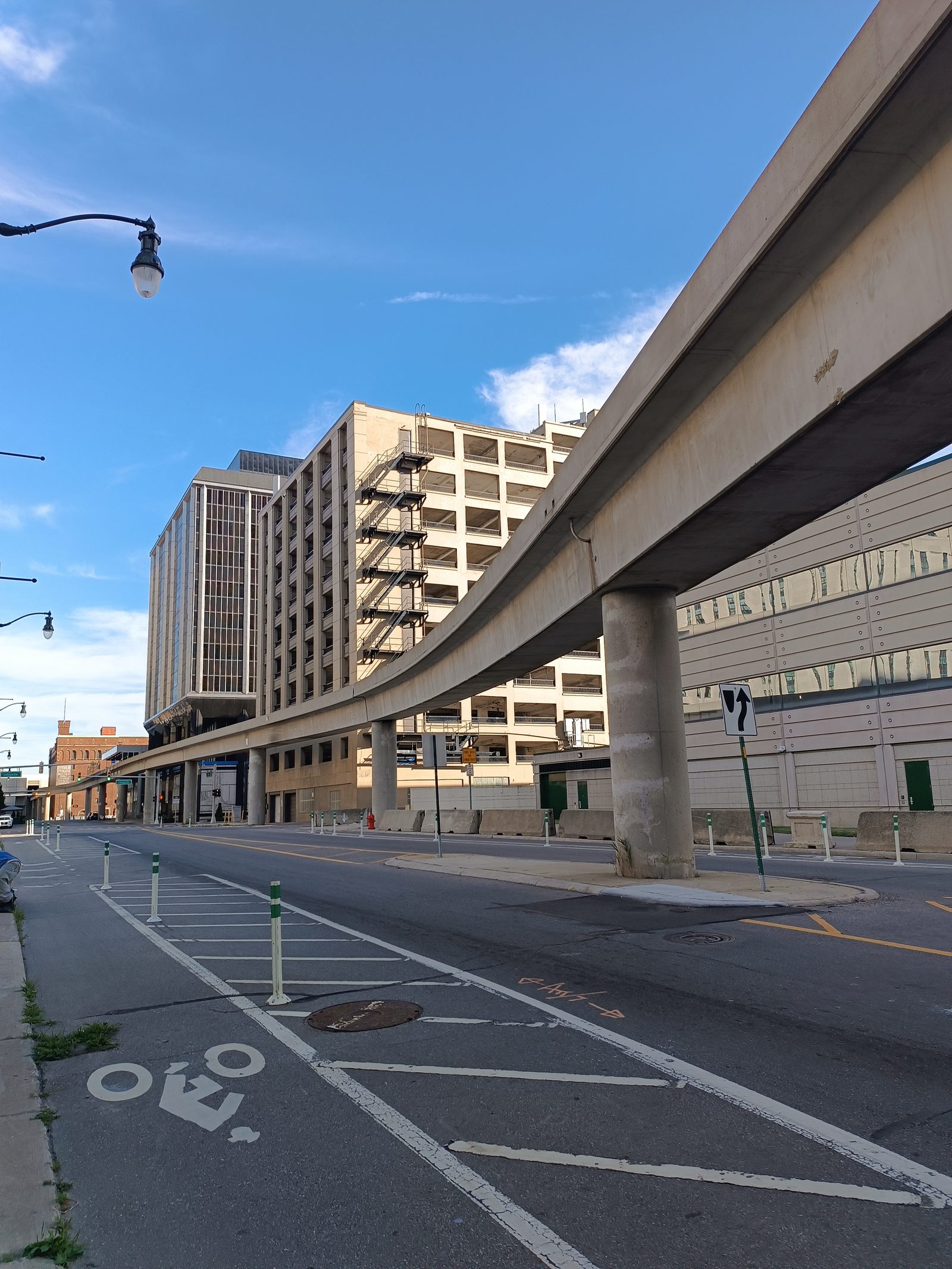
The People Mover is a piece of an unfinished future. In the 1970s Detroit planned a subway, commuter rail and a rapid-transit network, and President Gerald Ford promised $600 million for it. The loop was to be the downtown distributor of that network. The subway was never built; the loop was. So an isolated yet captivating machine, first mocked as “the train to nowhere”, became a symbol of downtown Detroit.
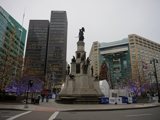
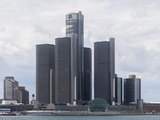
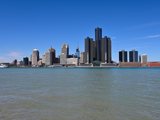
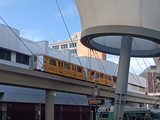
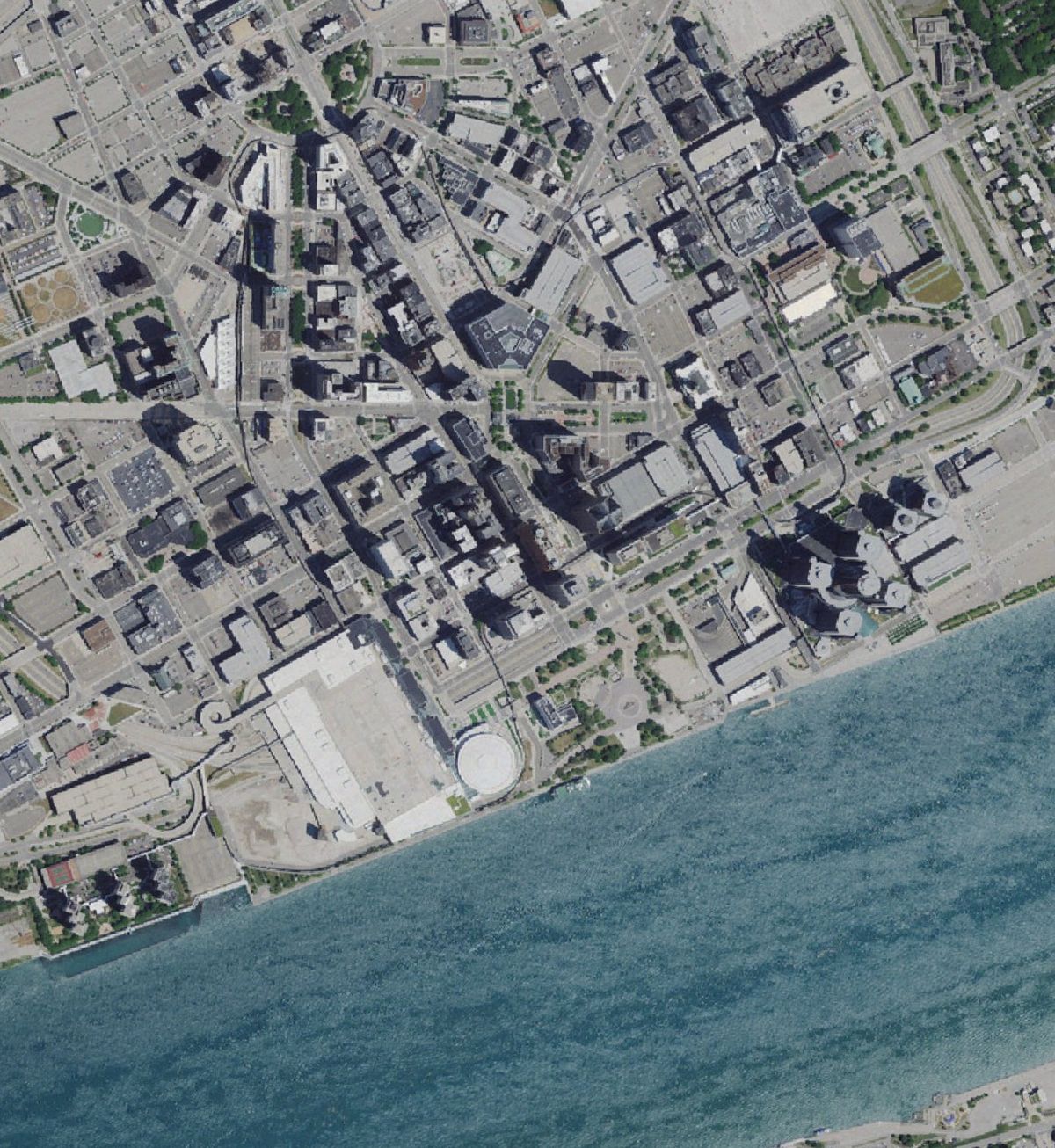
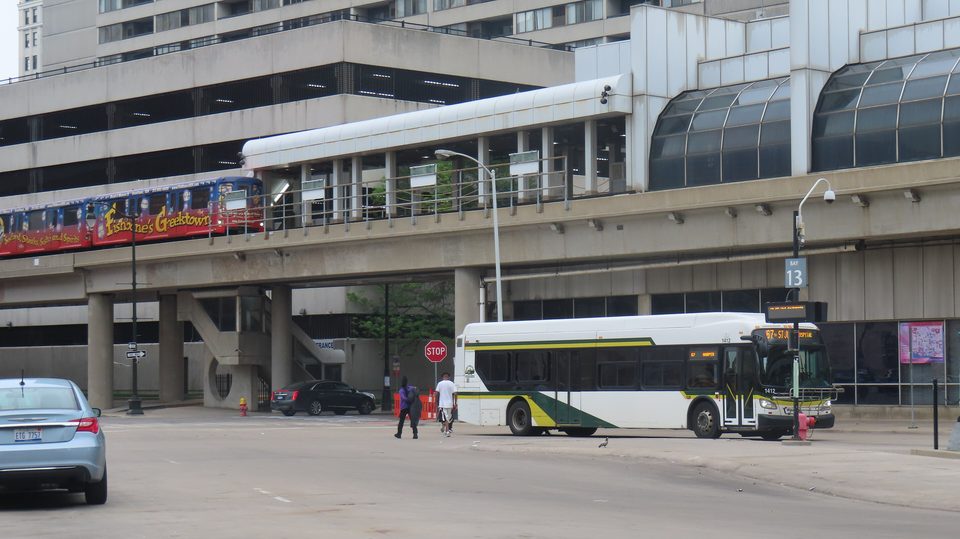
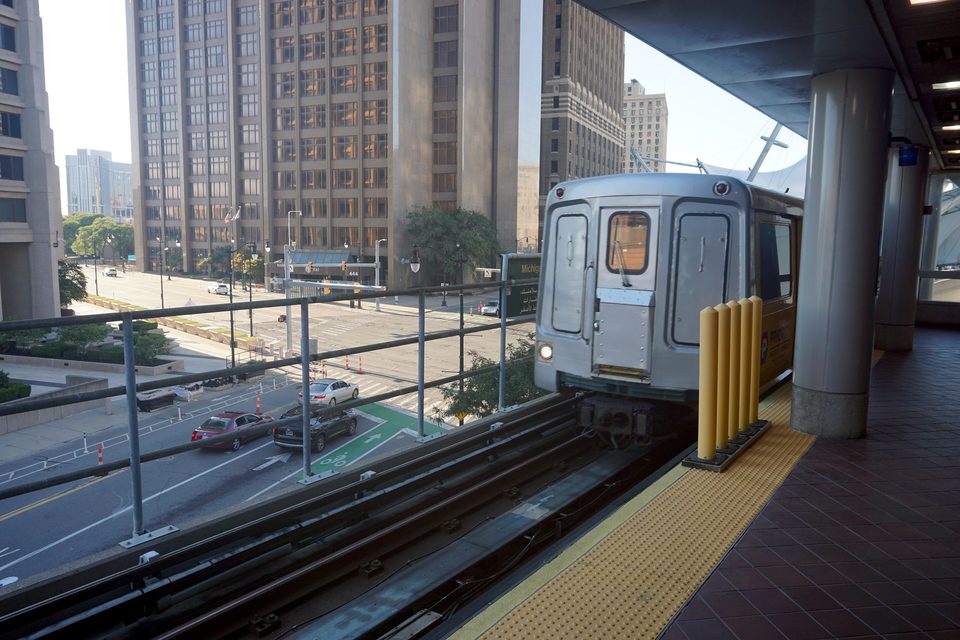
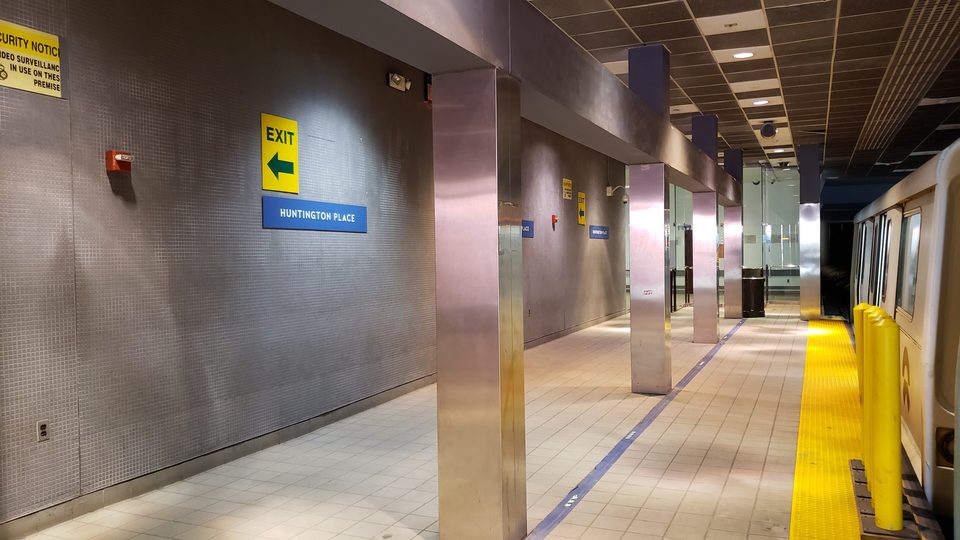
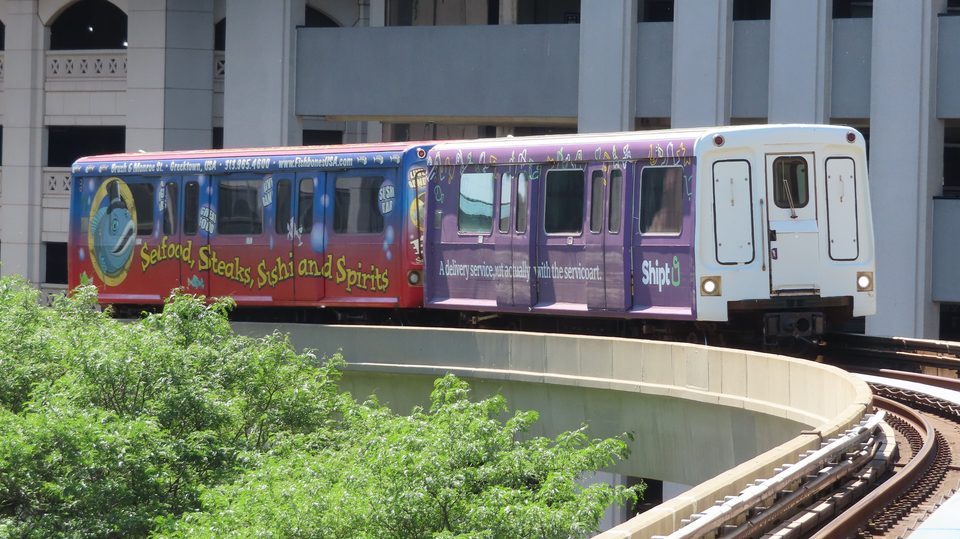
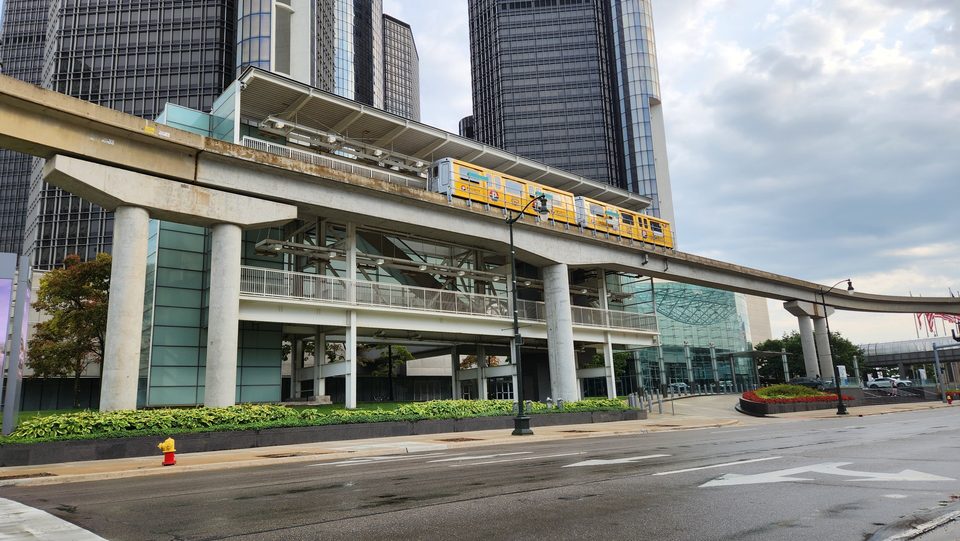
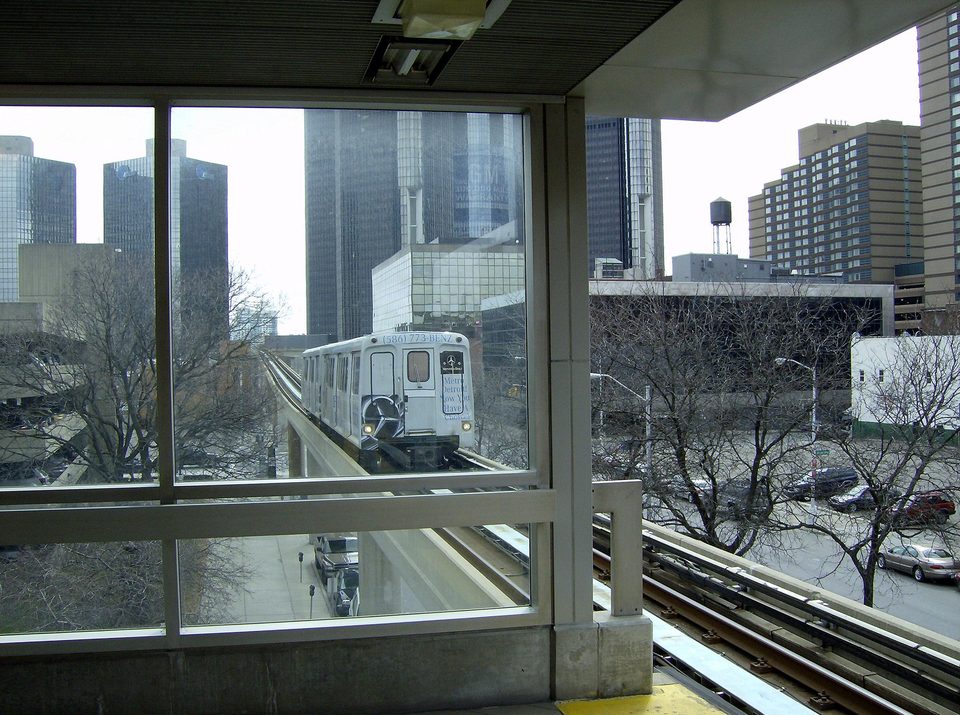
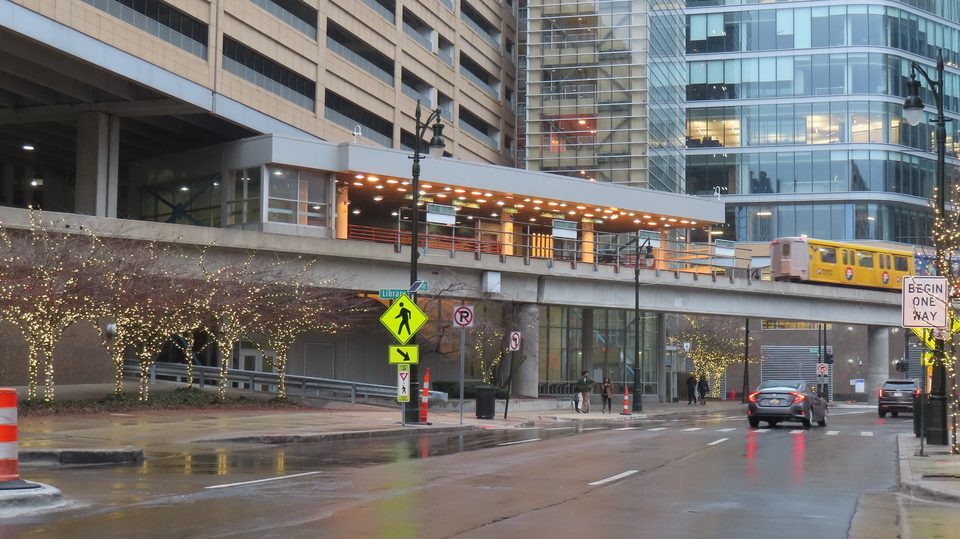
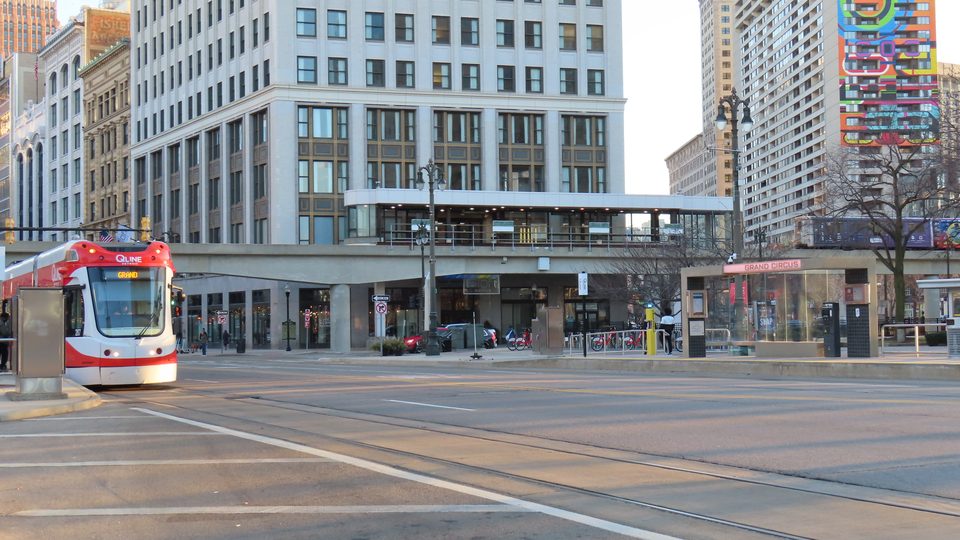
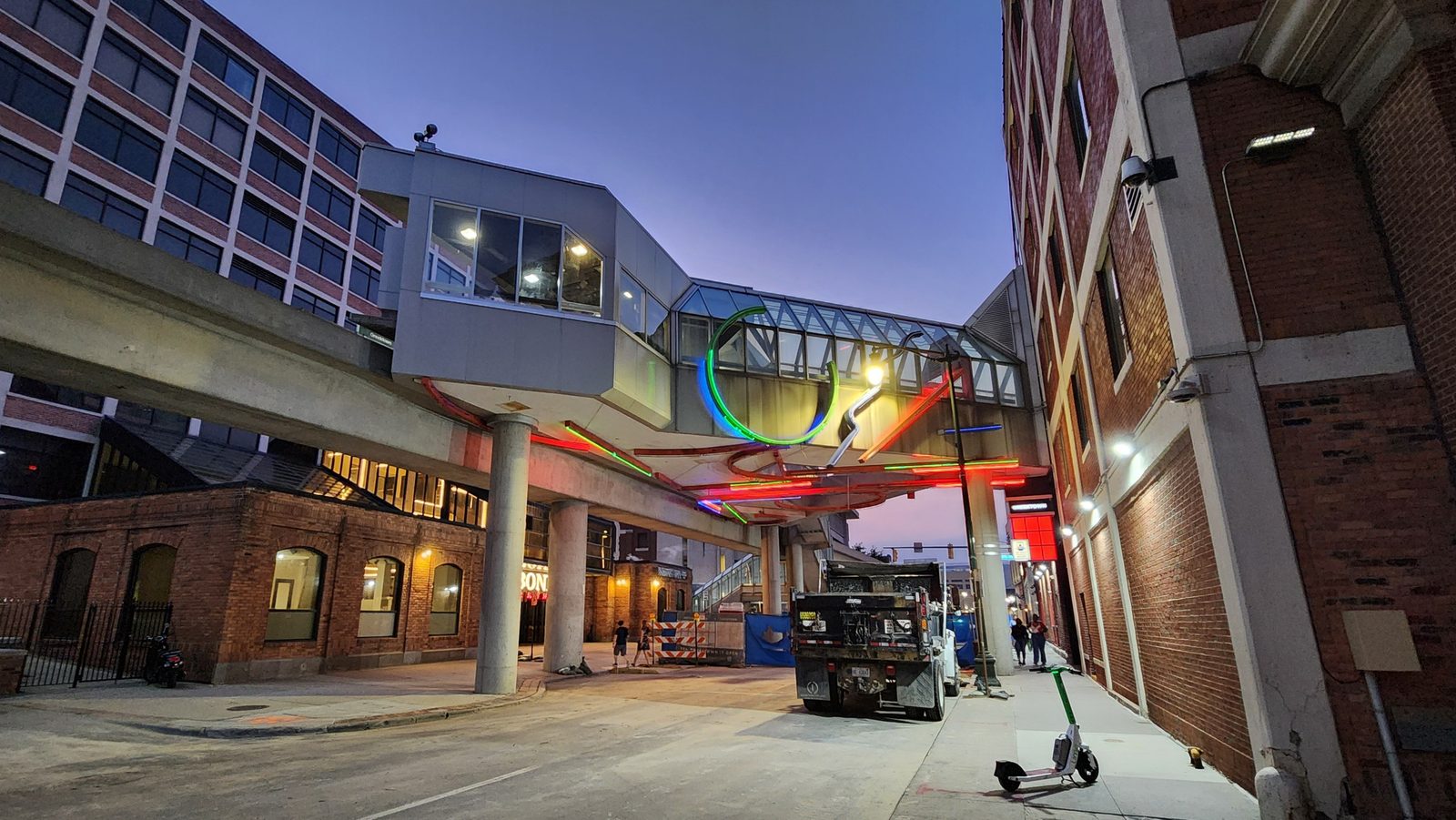
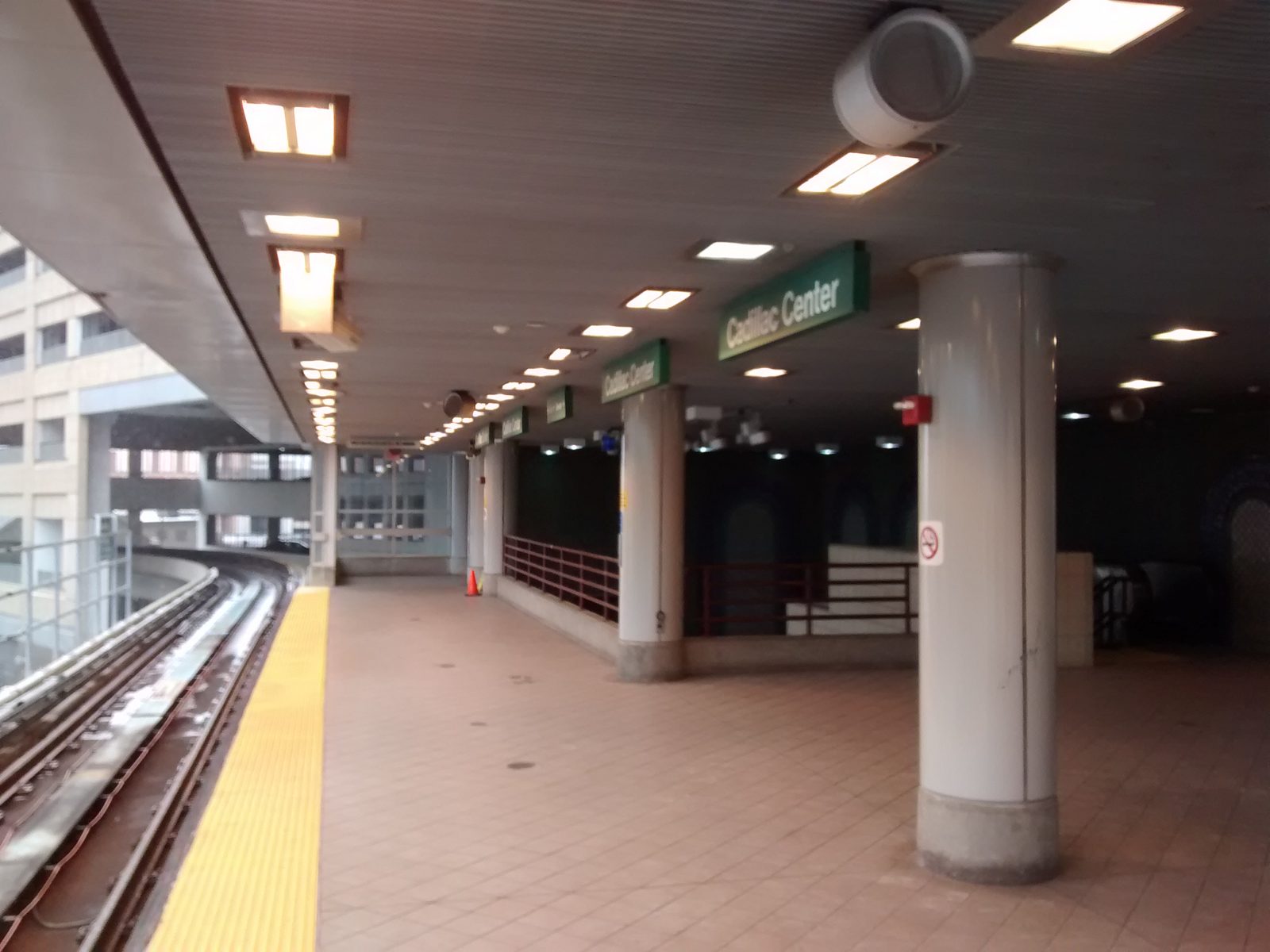
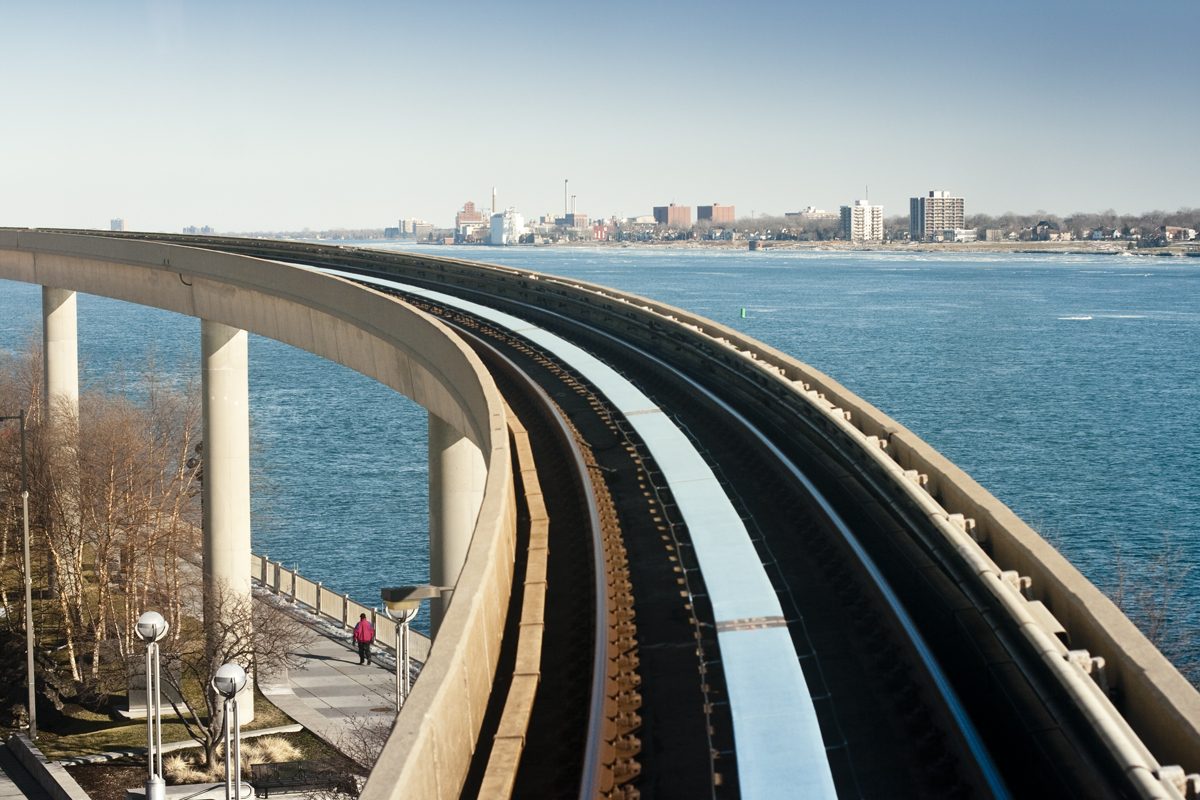
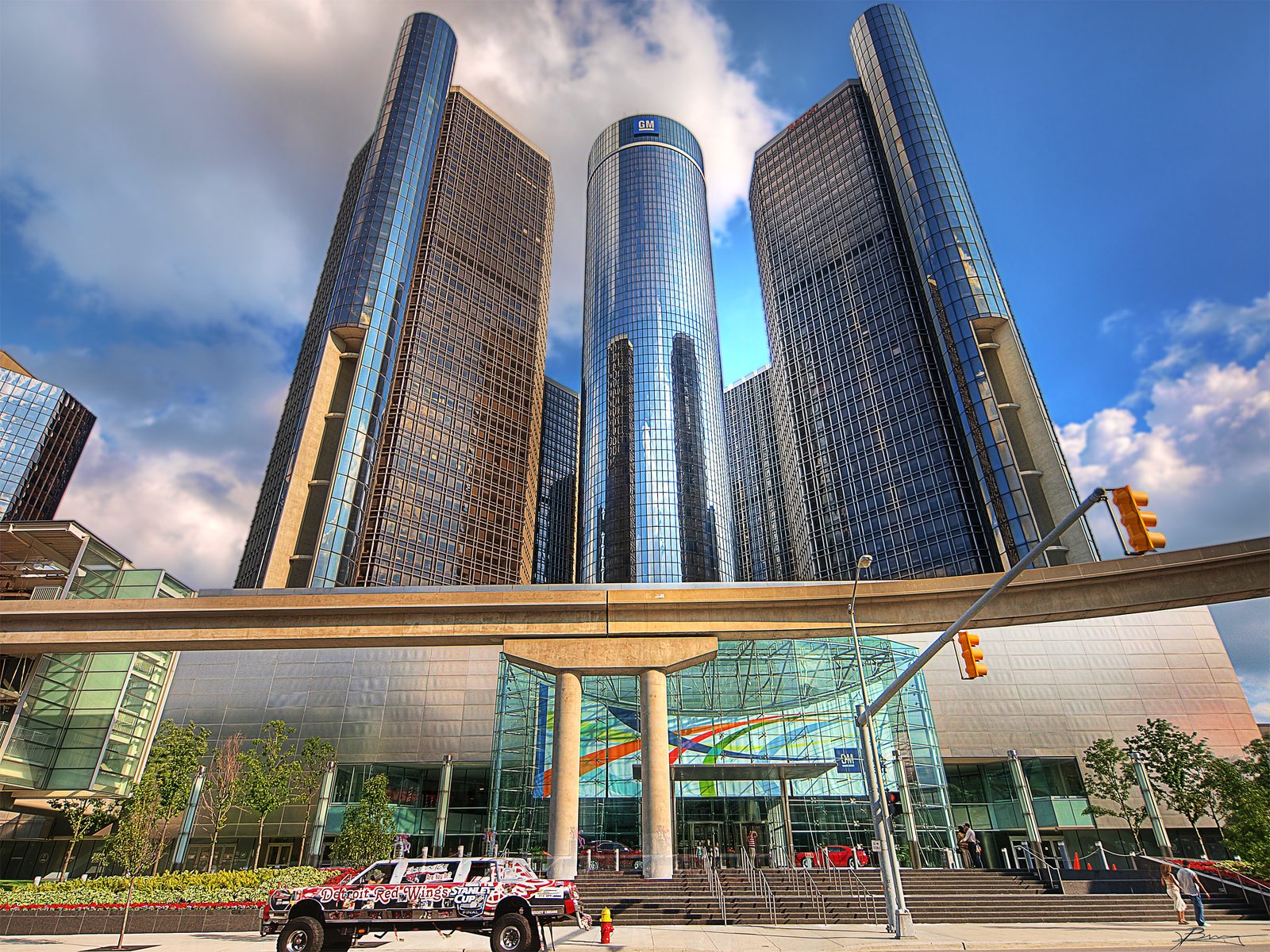
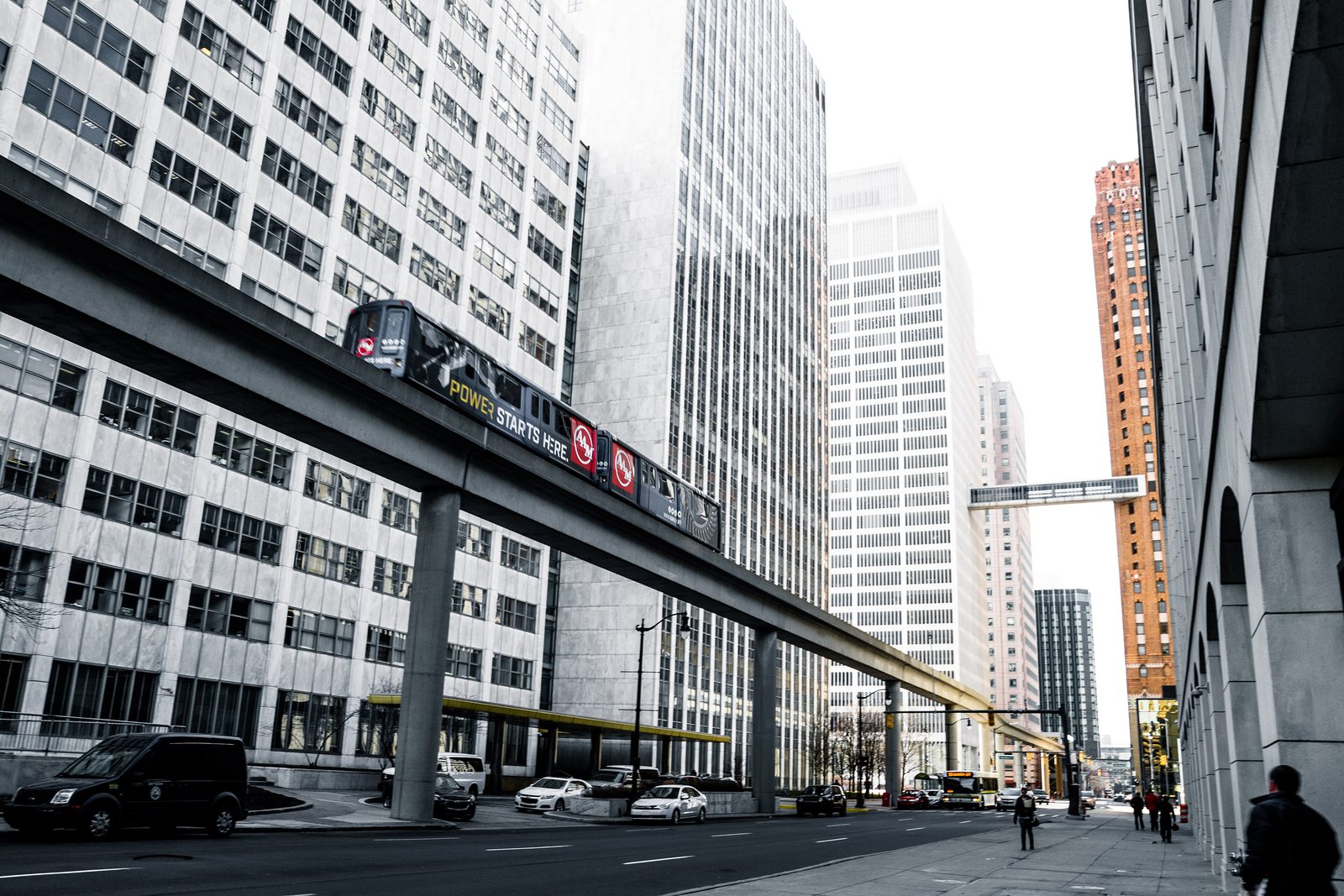
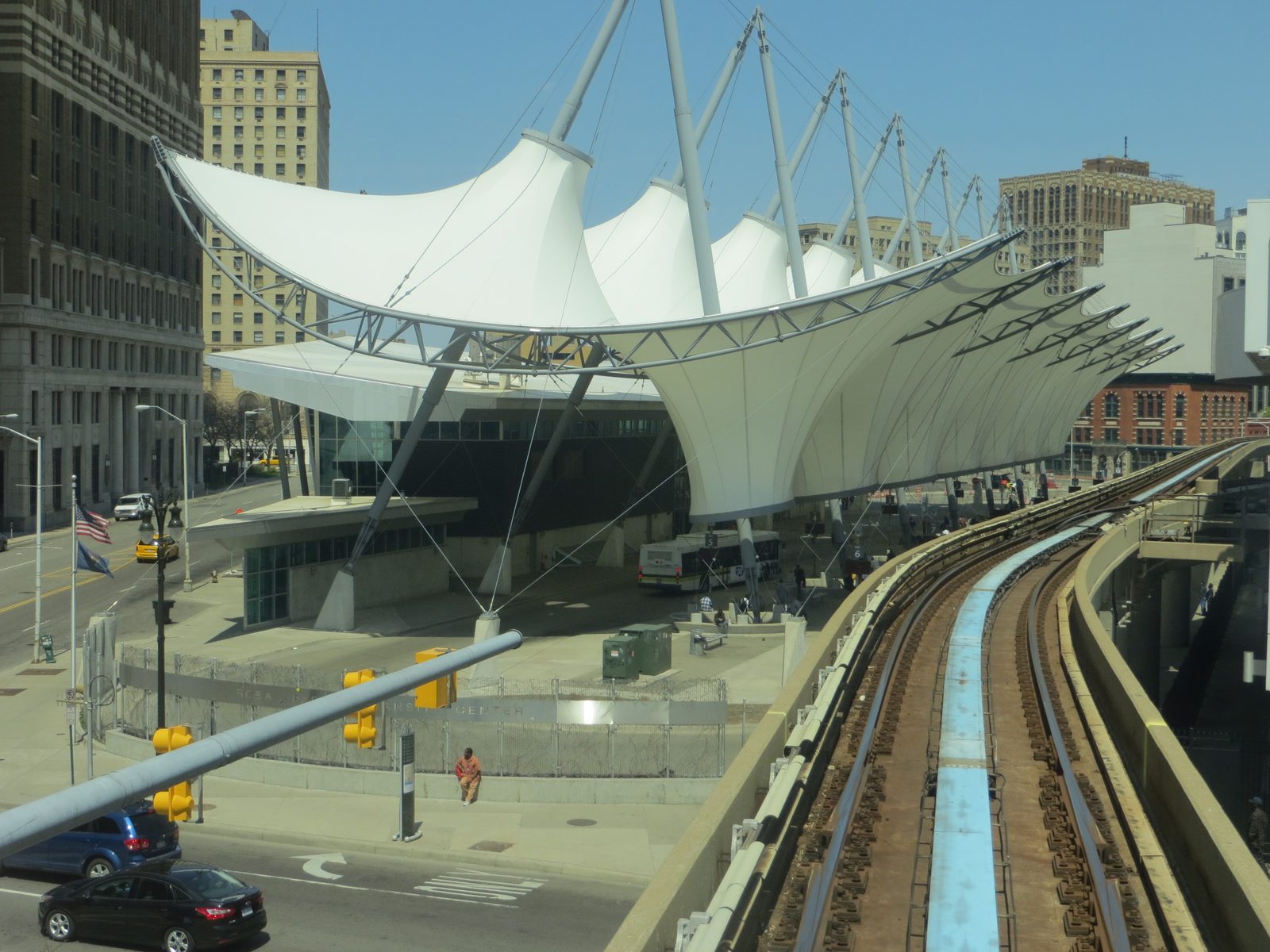
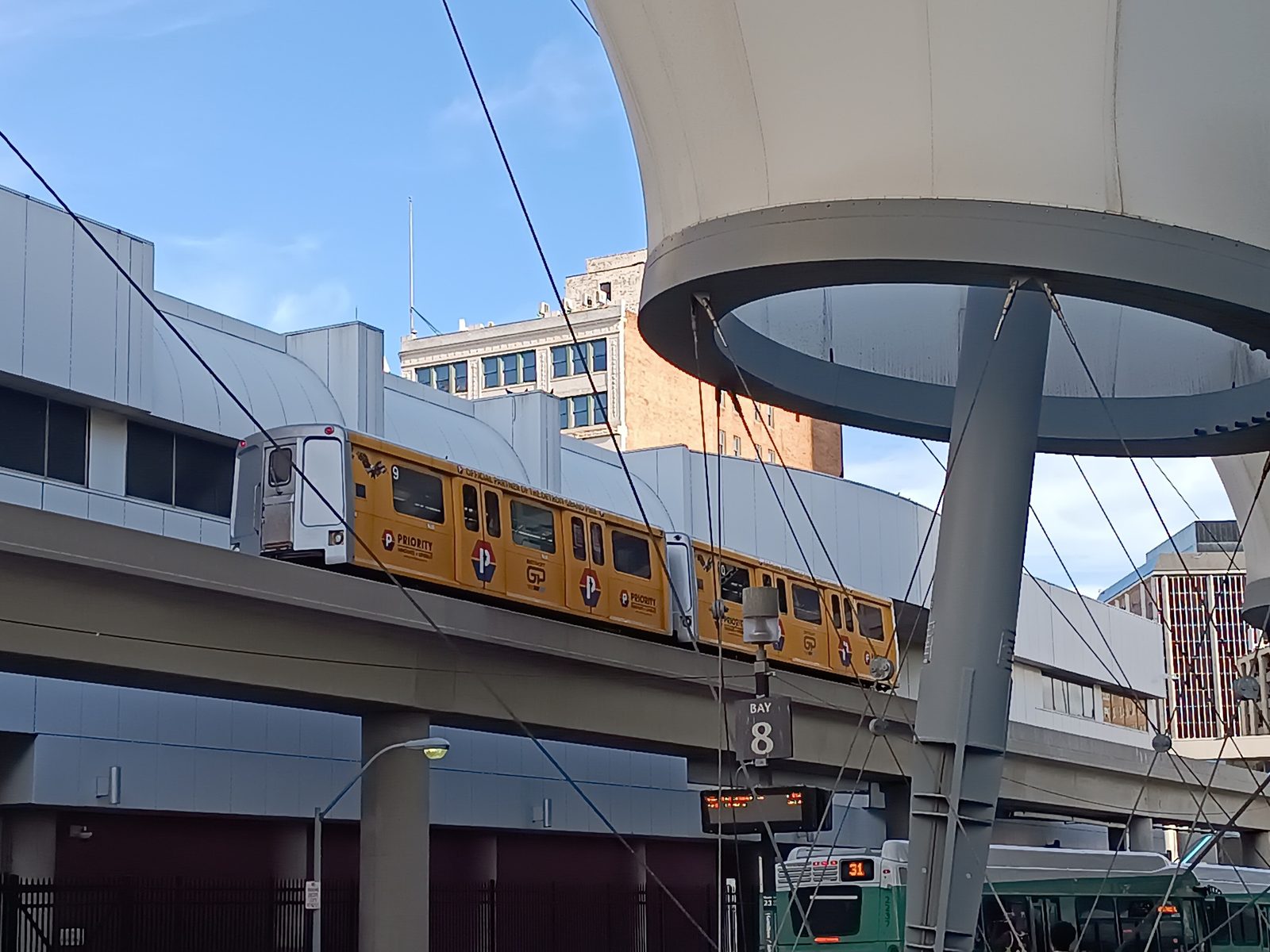
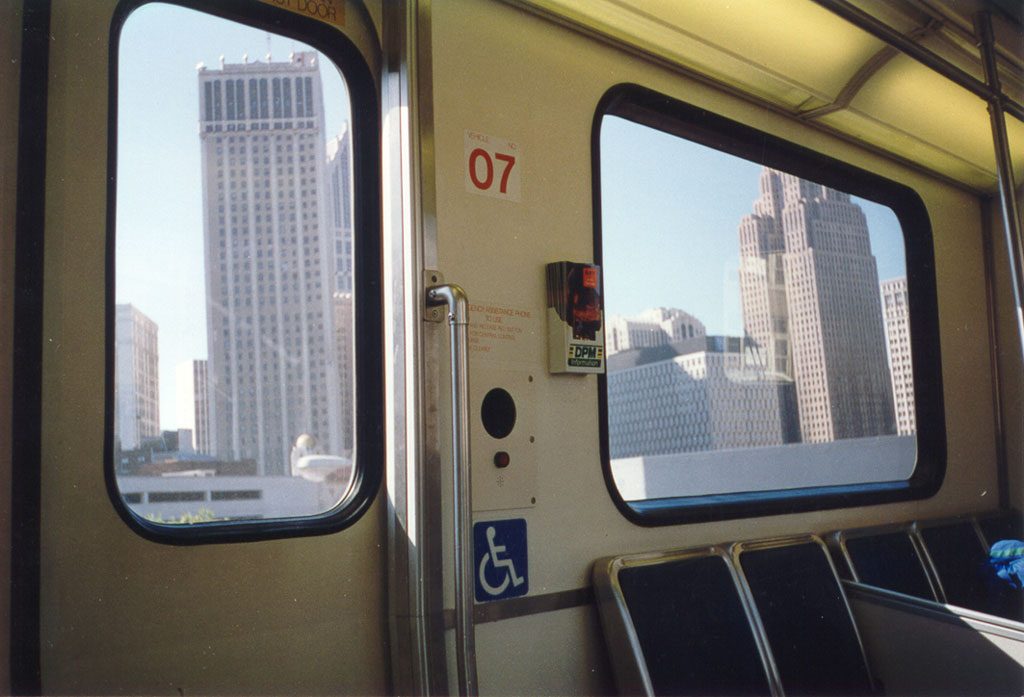
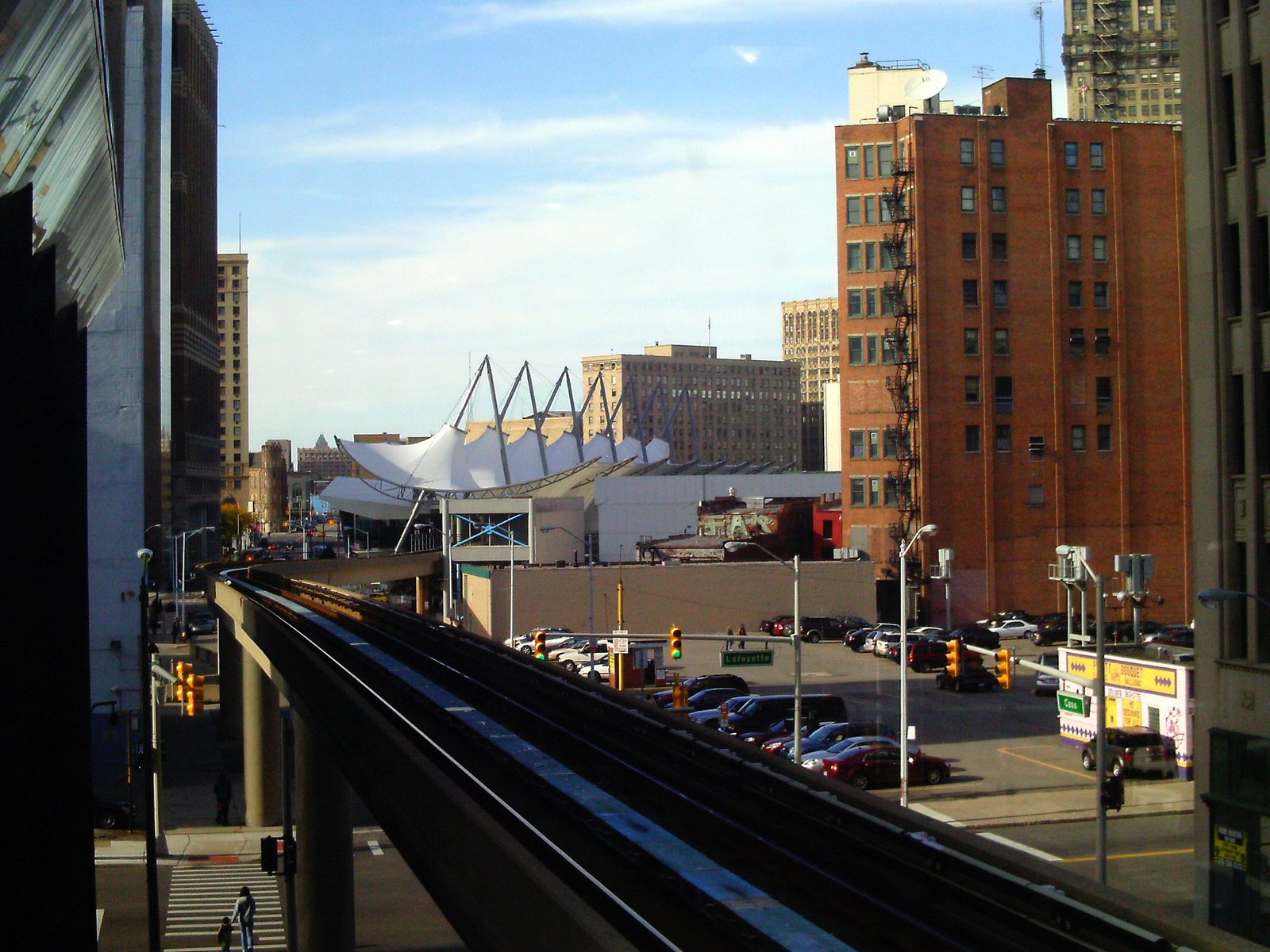
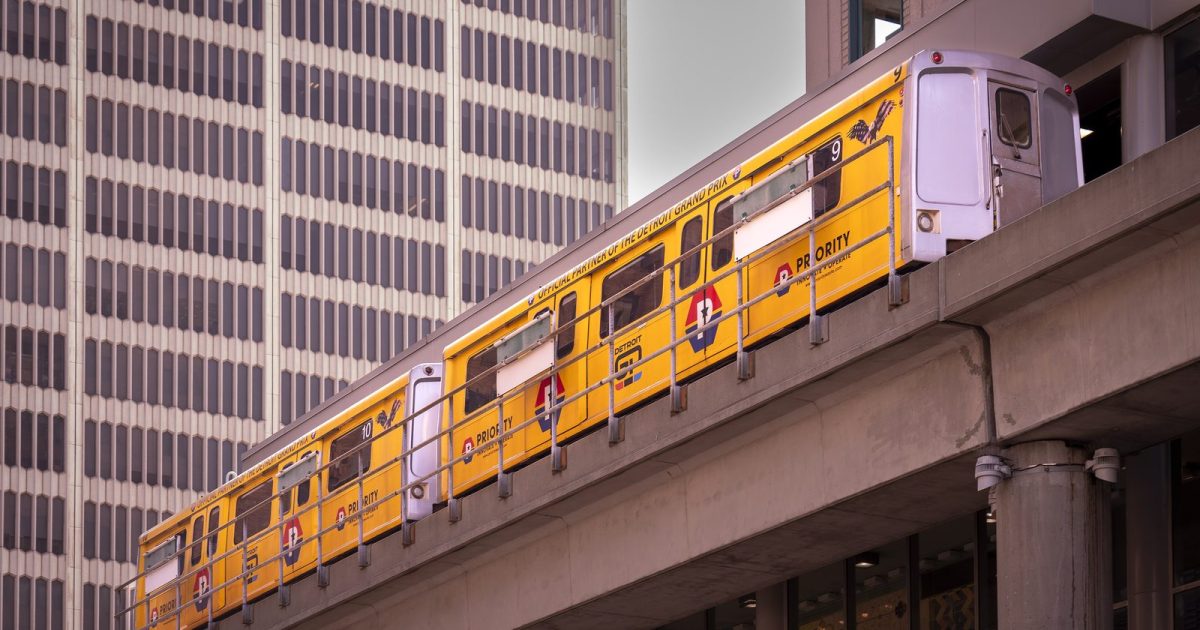
Driverless cars glide along the concrete guideway, pushed by linear induction motors: above Cass Avenue, along the Detroit River, through buildings, on the fourth floor of the convention centre and the fifth floor of the Millender Center. From the window you see Canada, the Renaissance Center’s glass towers, the Guardian Building’s orange brick and Campus Martius. In fifteen minutes you have circled all of downtown.
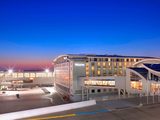
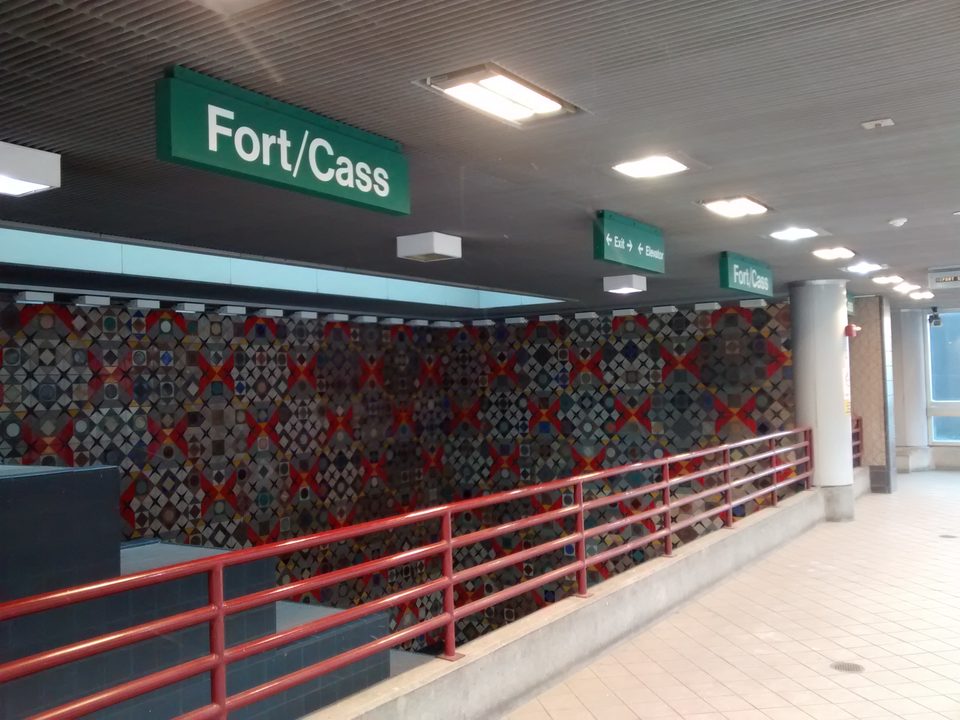
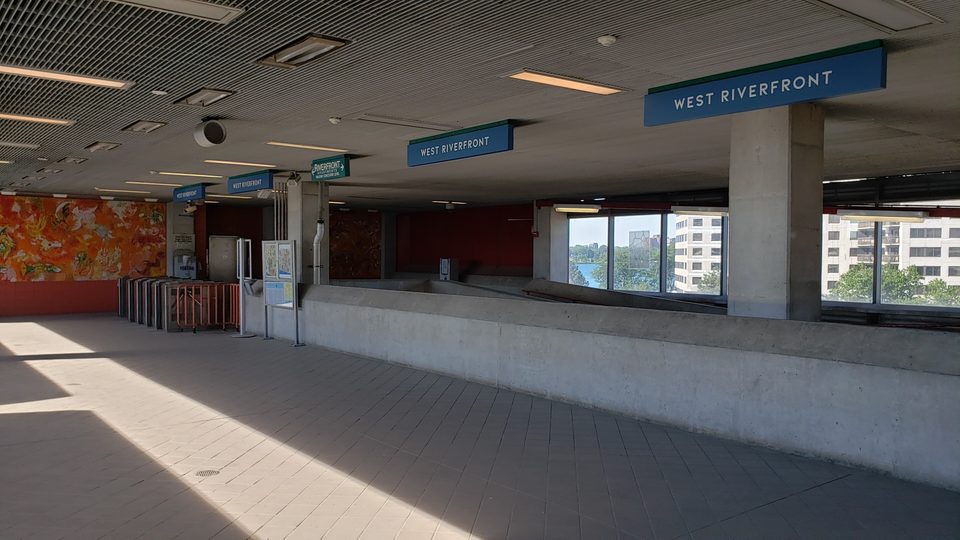
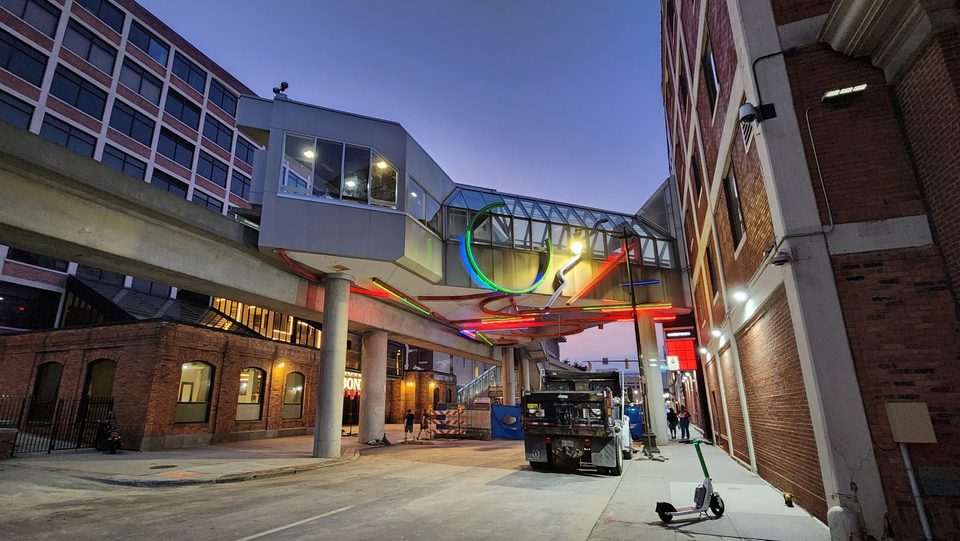
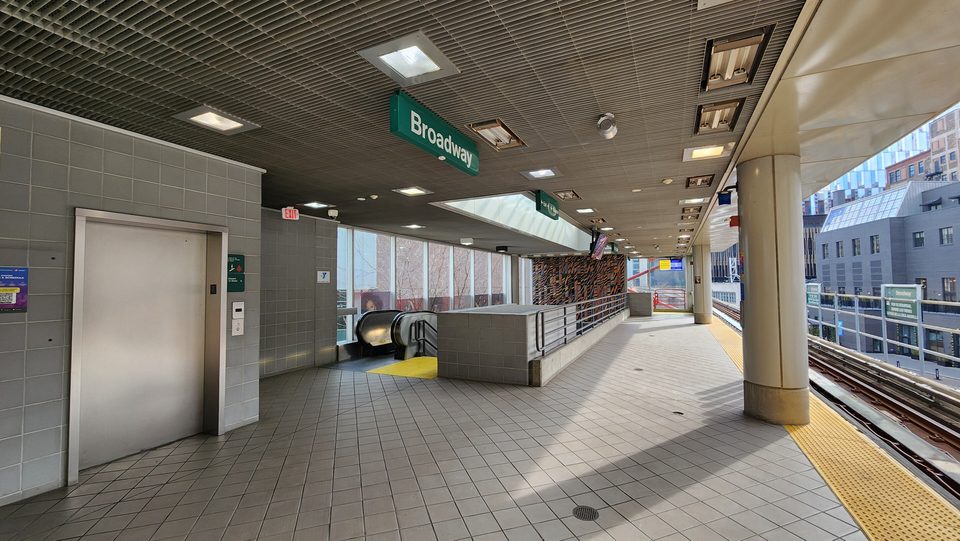
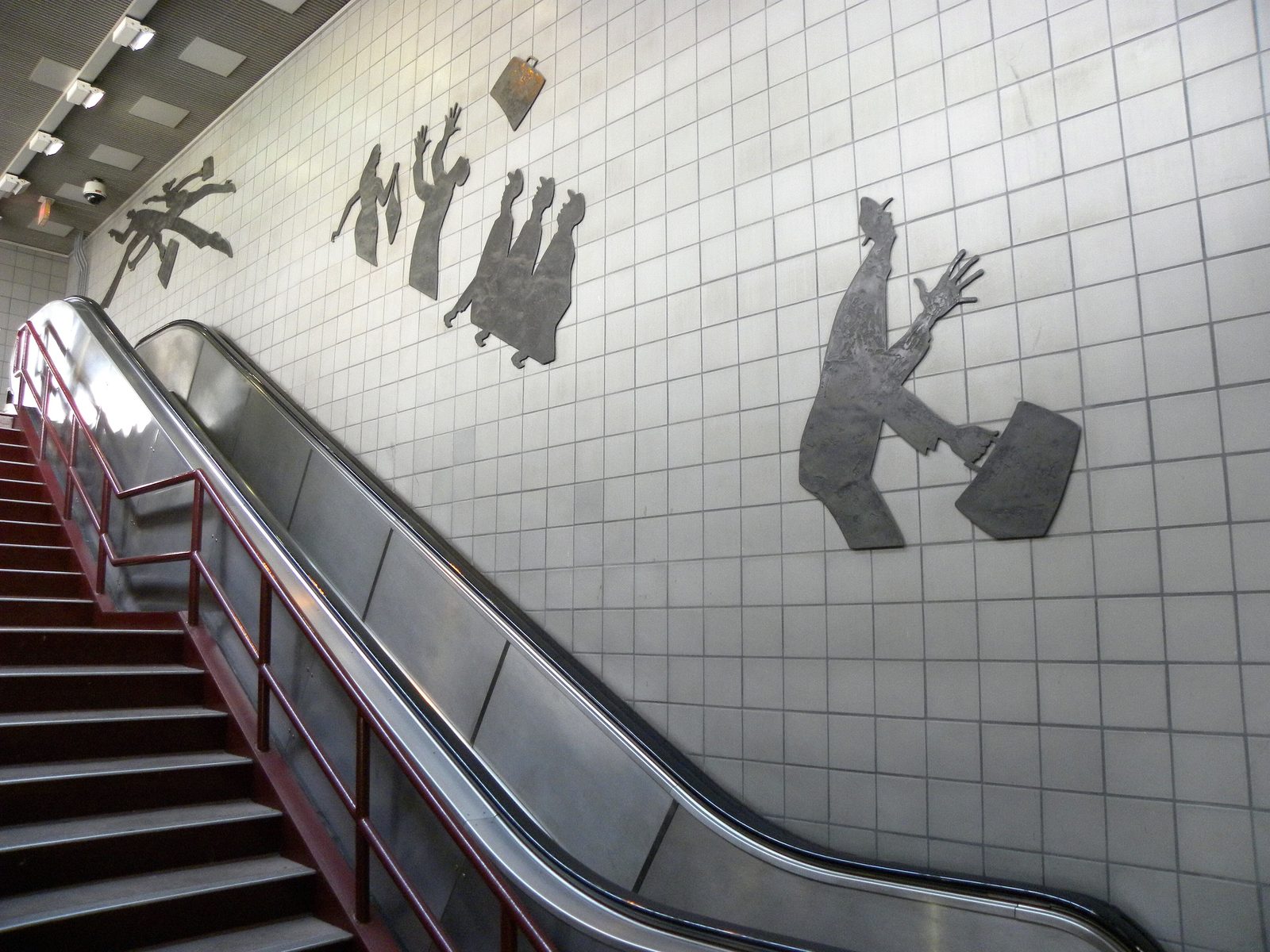
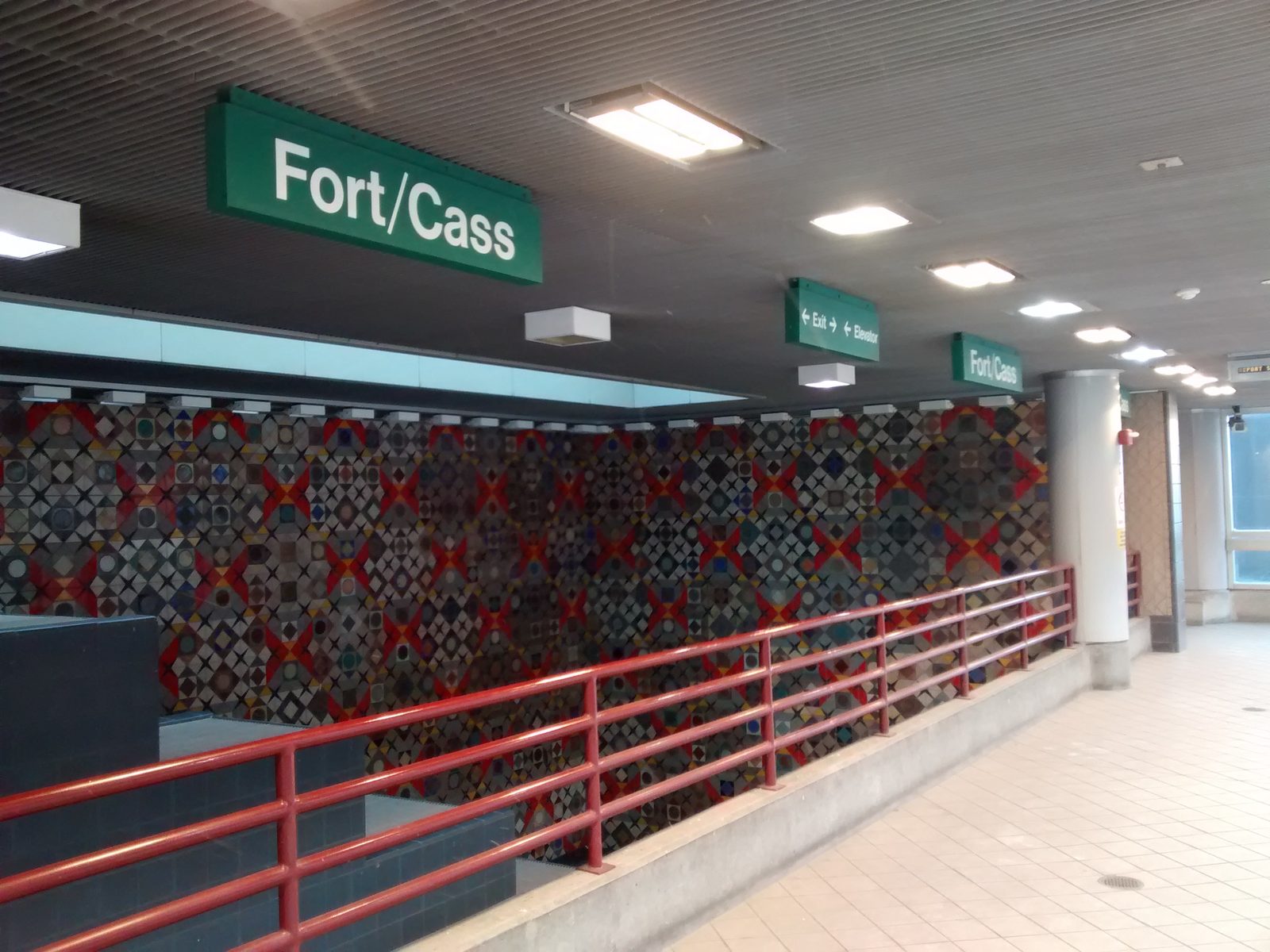
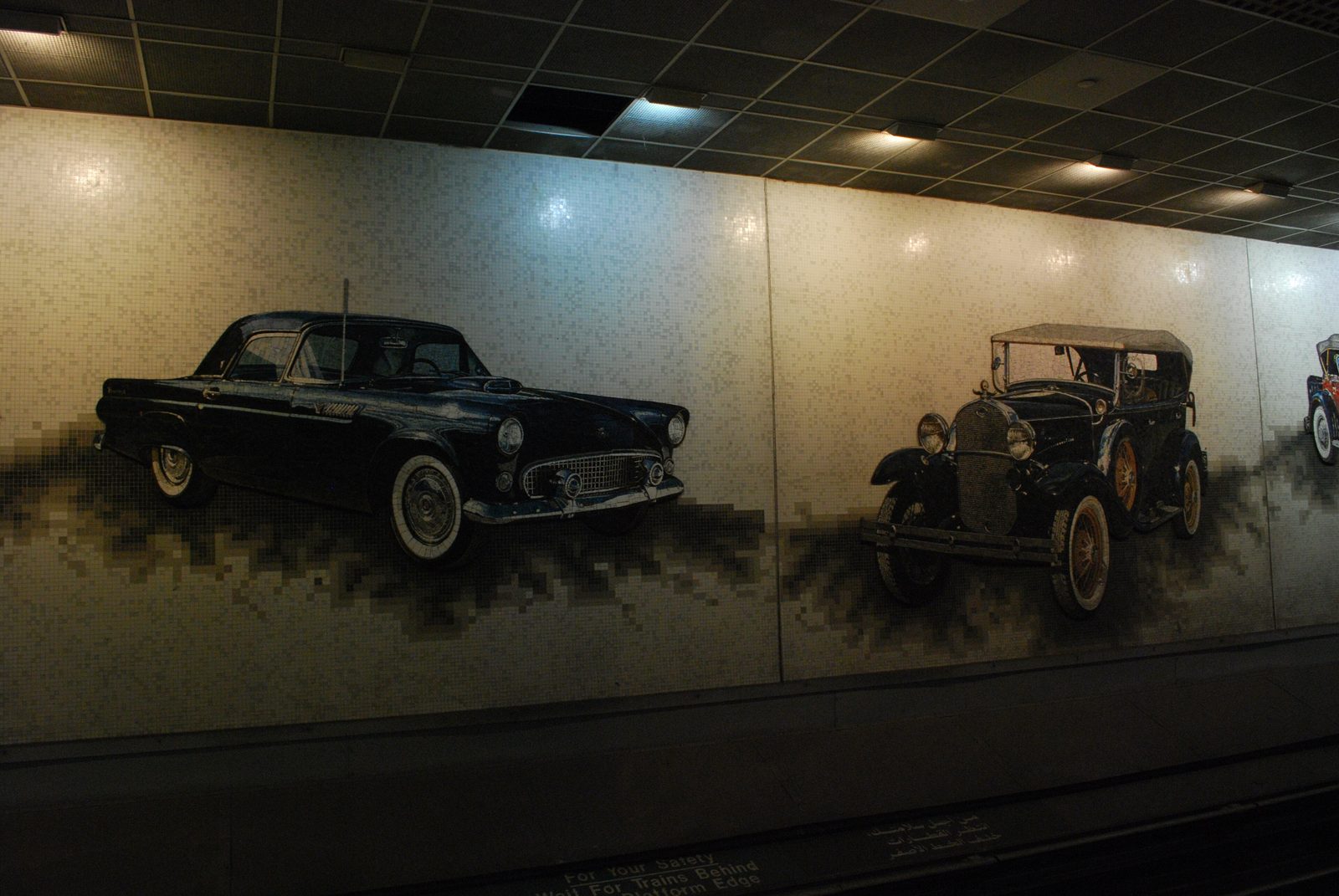
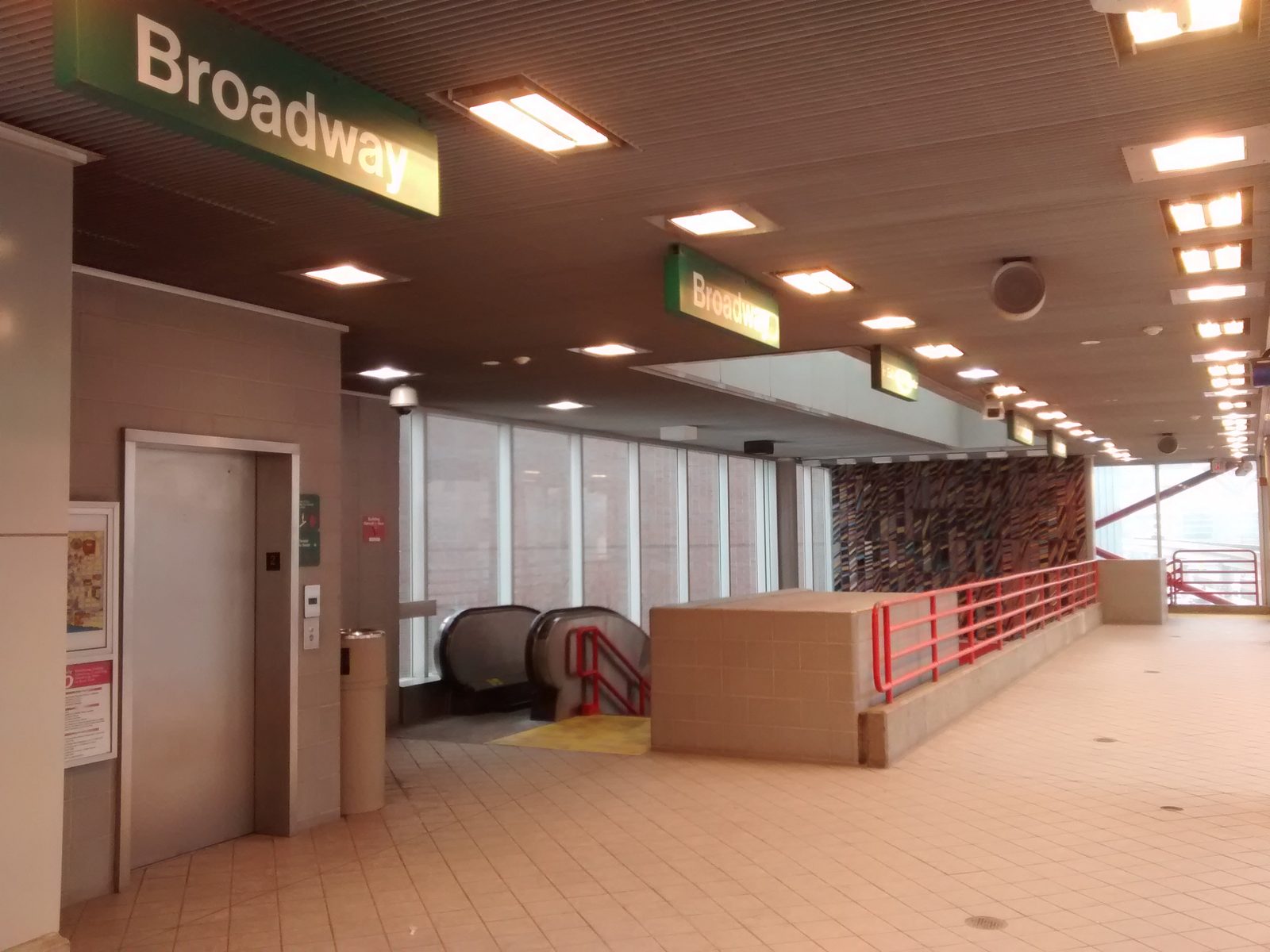
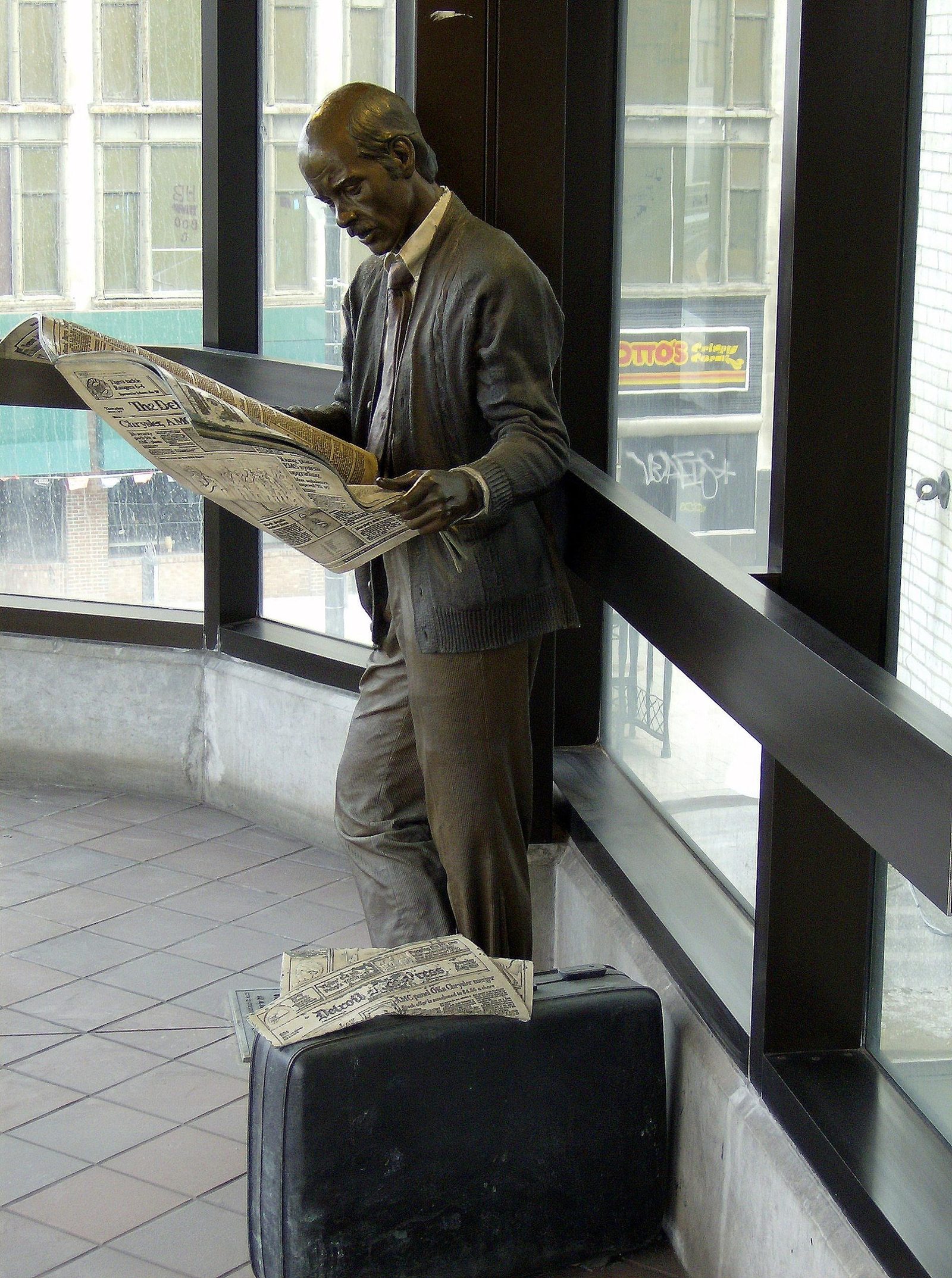
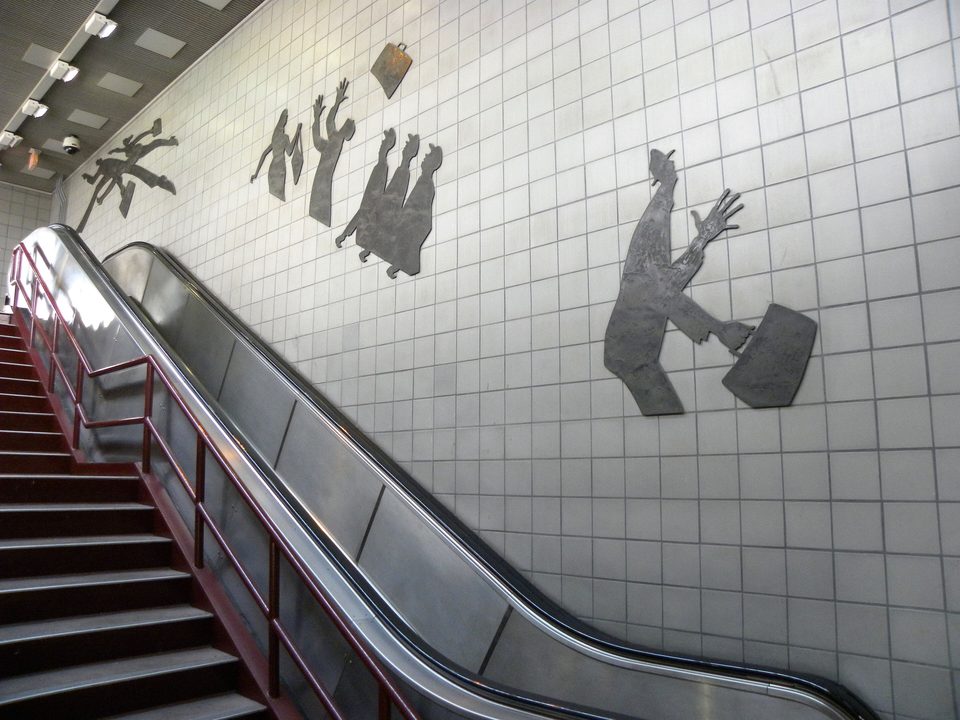
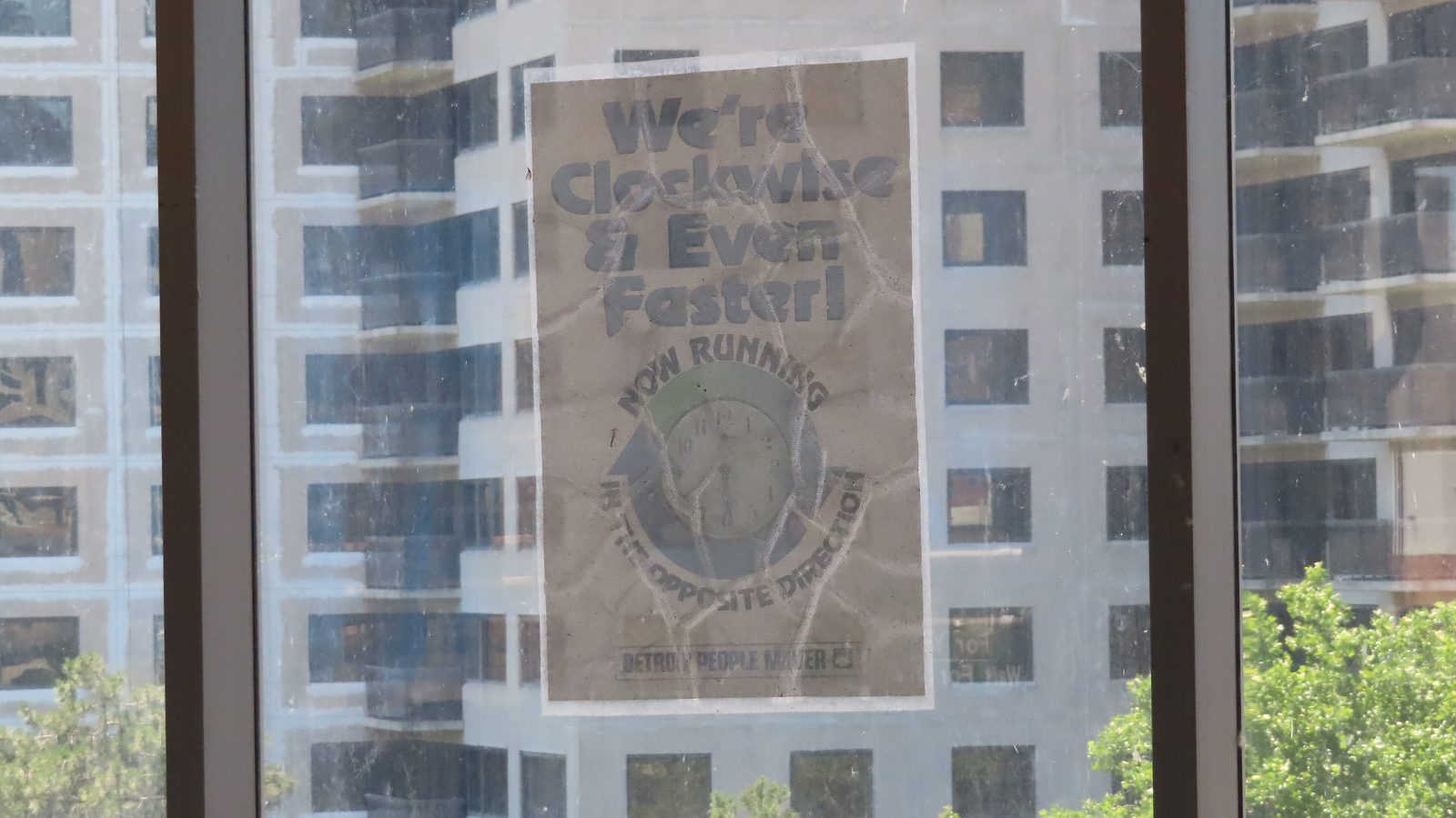
Every station is a small museum. Thanks to the volunteer commission Irene Walt formed in 1984, art awaits at all 13 stations: the DTC’s 18-piece collection includes Pewabic tiles, Venetian glass mosaics, bronzes and a neon sculpture. Murals joined them in 2024. The People Mover survived the implosion of the Hudson’s store, two changes of direction, a two-year pandemic pause and hurricane-force winds. Since 2024 it has been free, and in 2025 it carried 1.32 million riders.