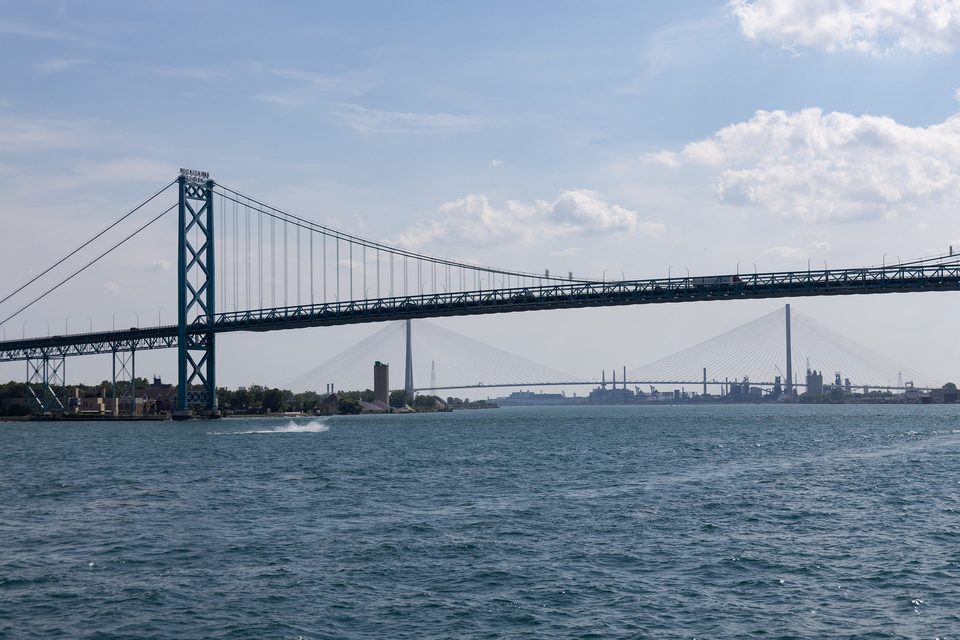
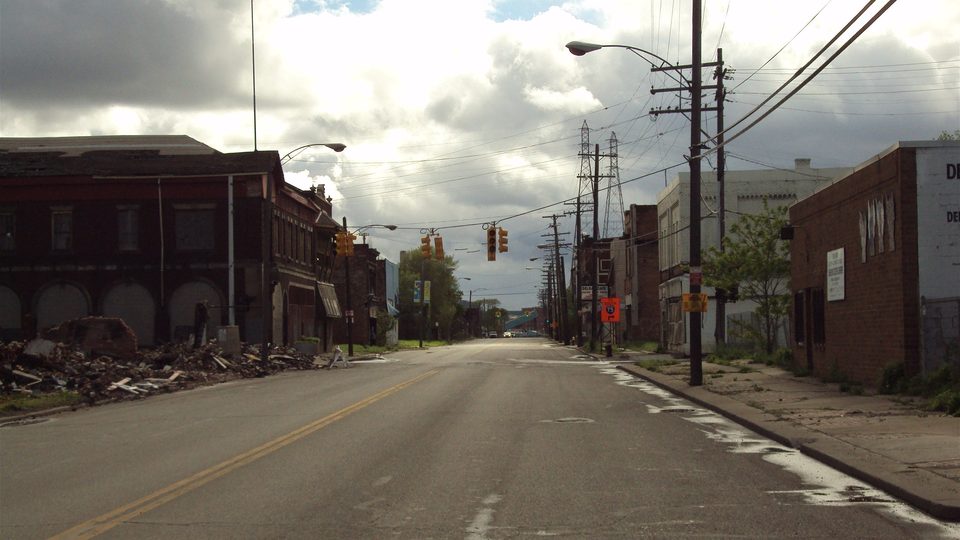
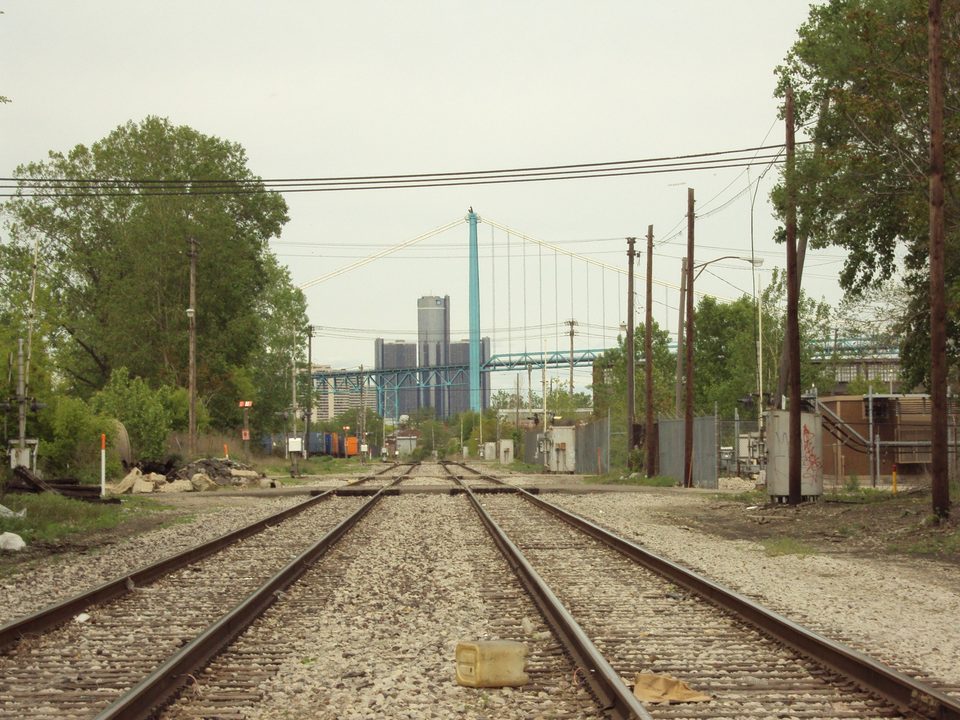
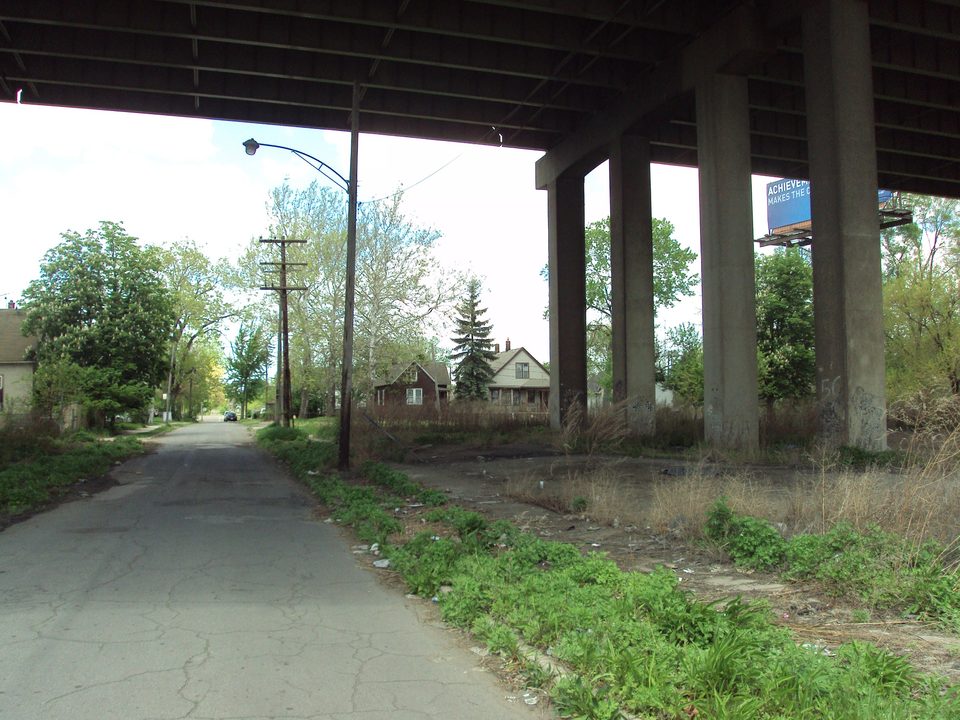
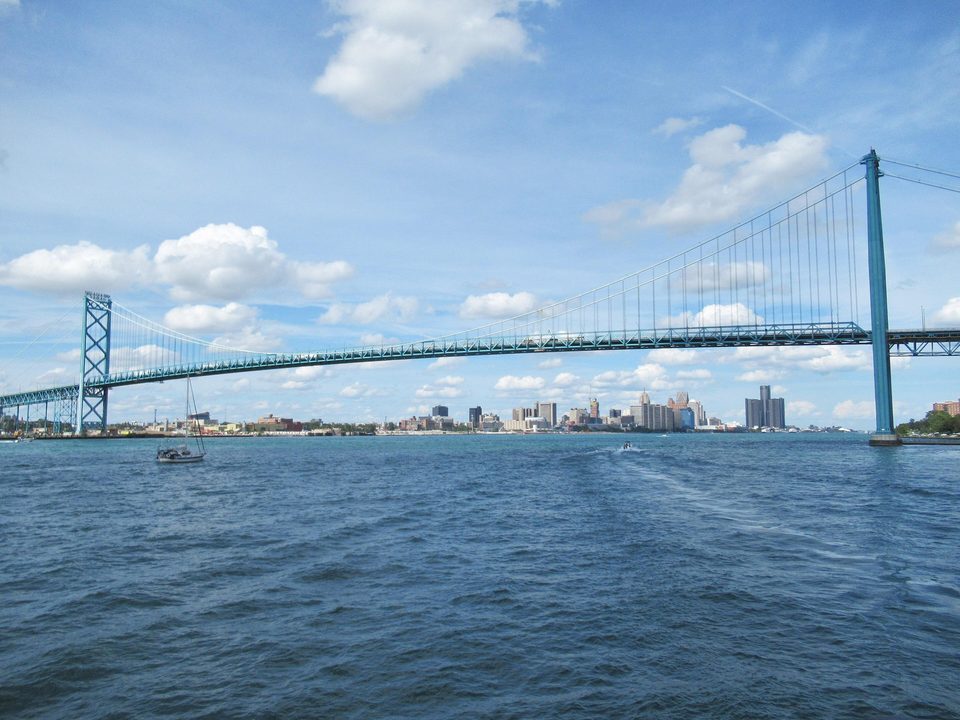
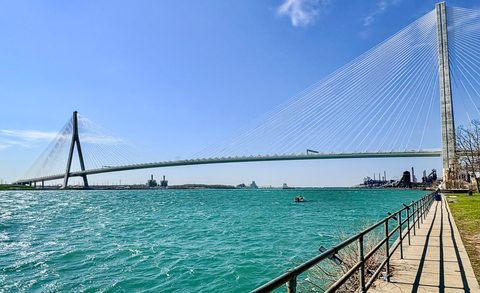
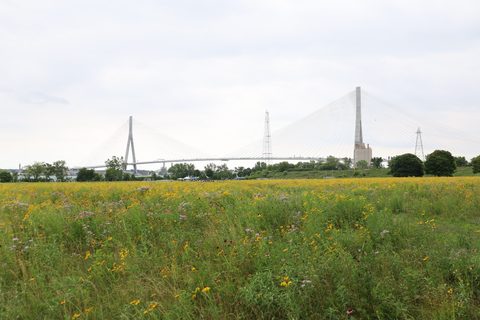
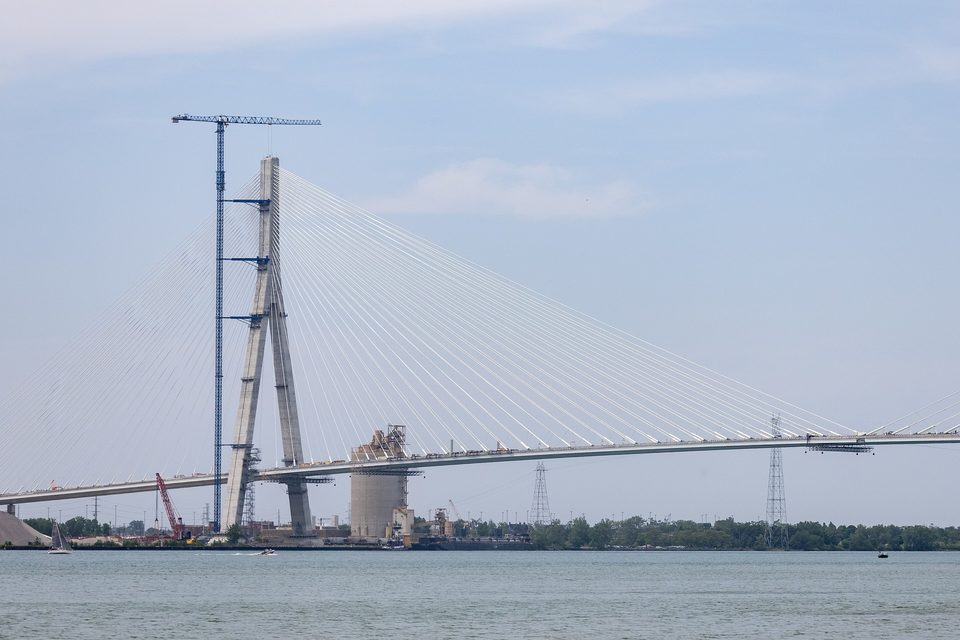
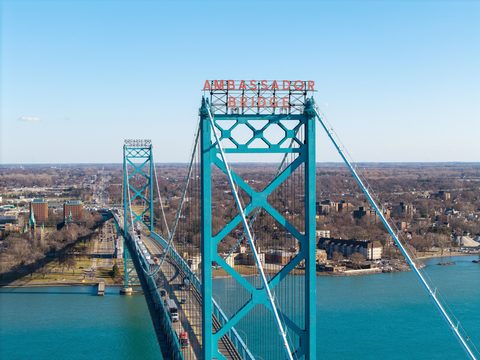
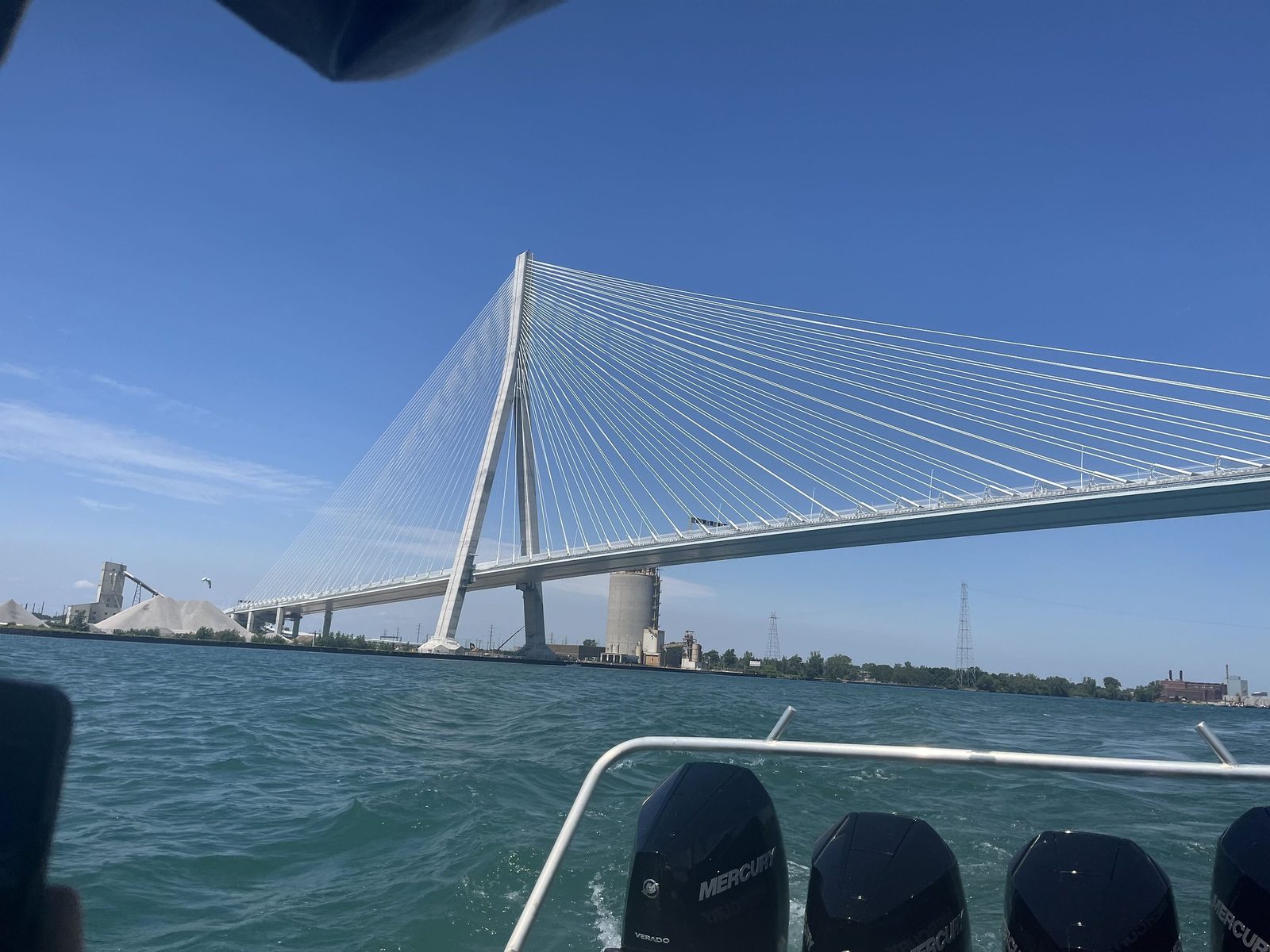
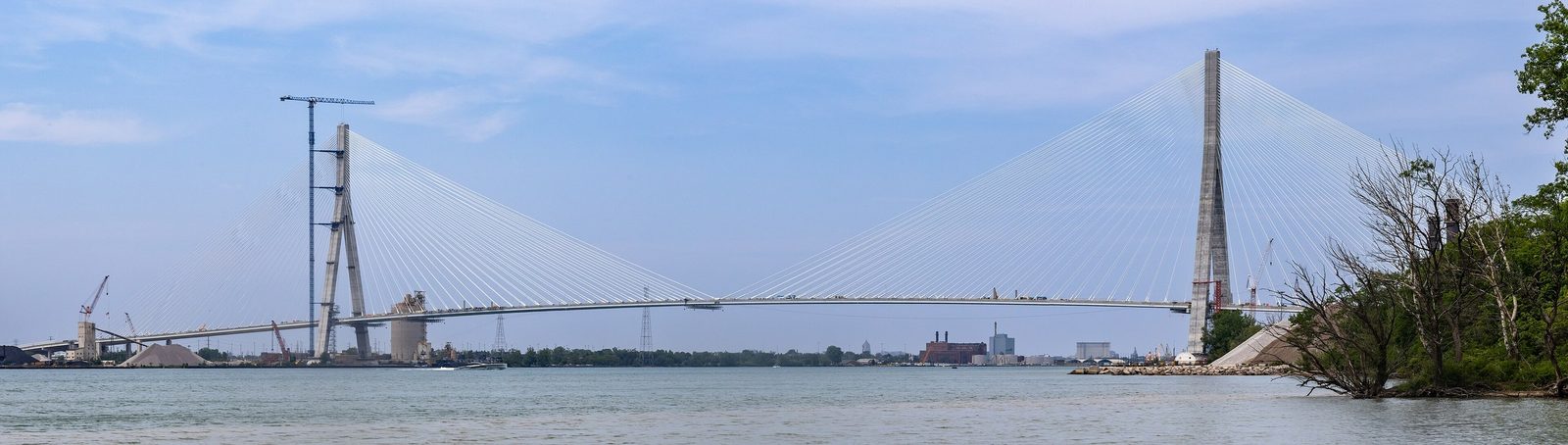
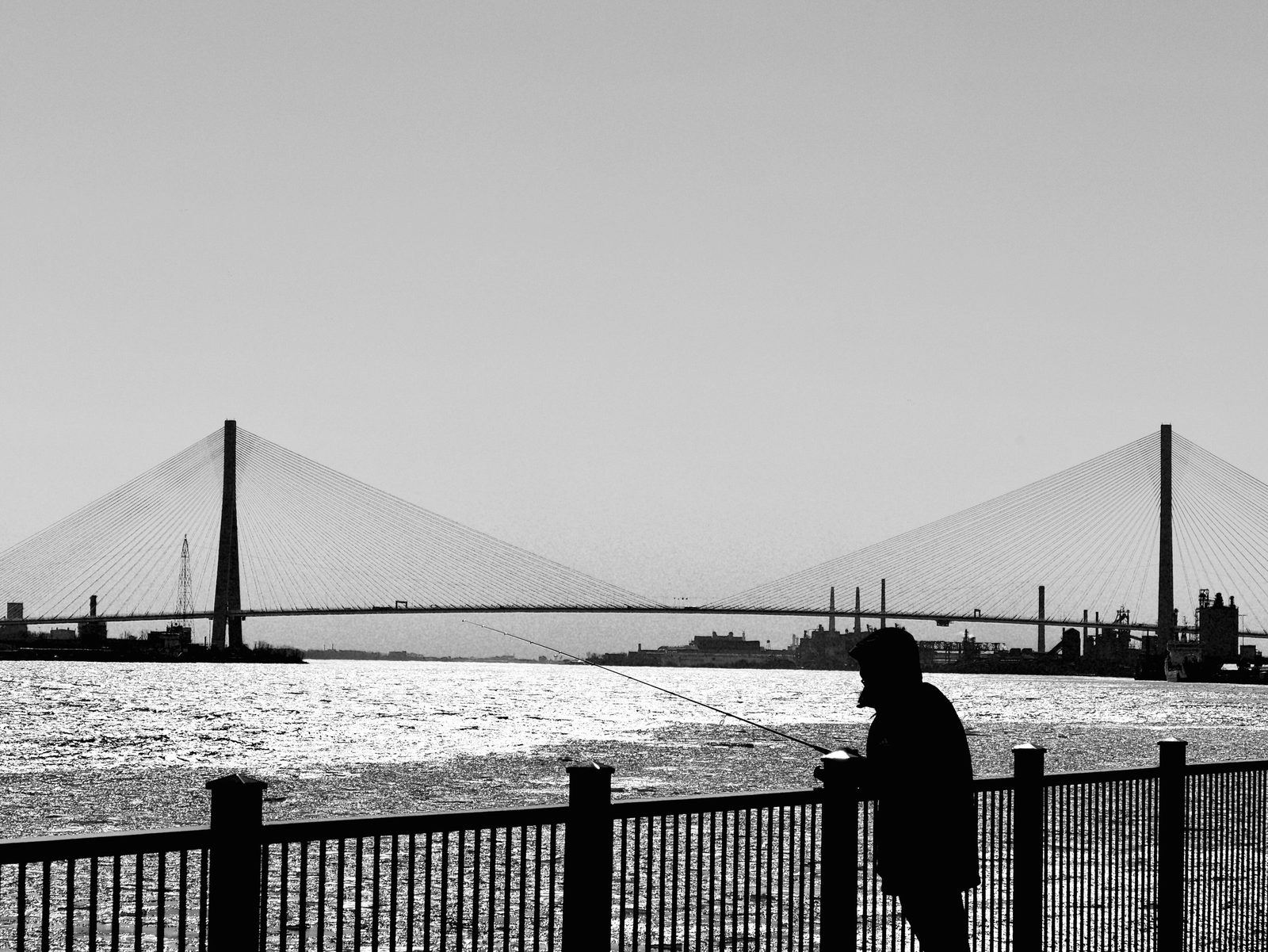
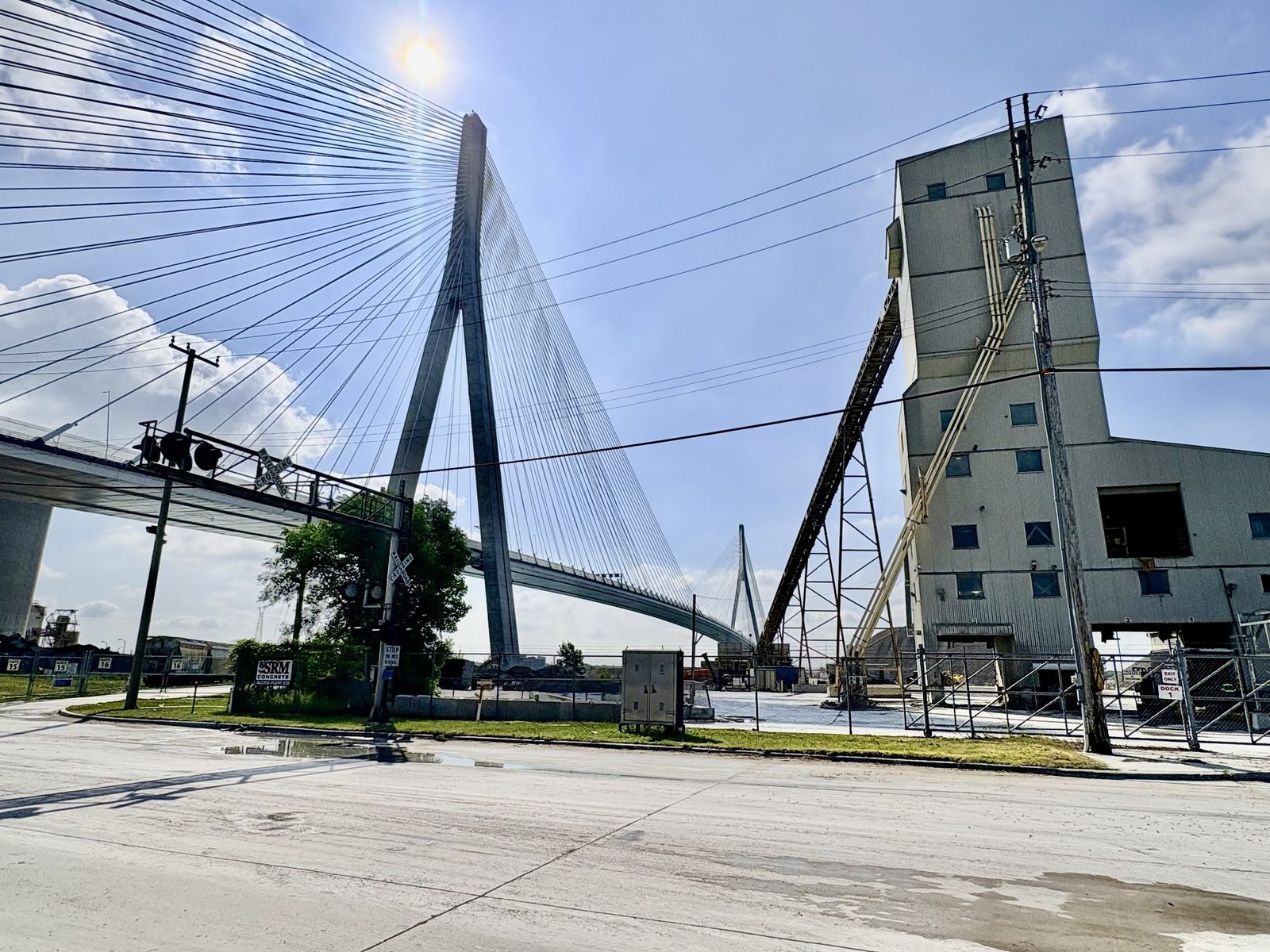
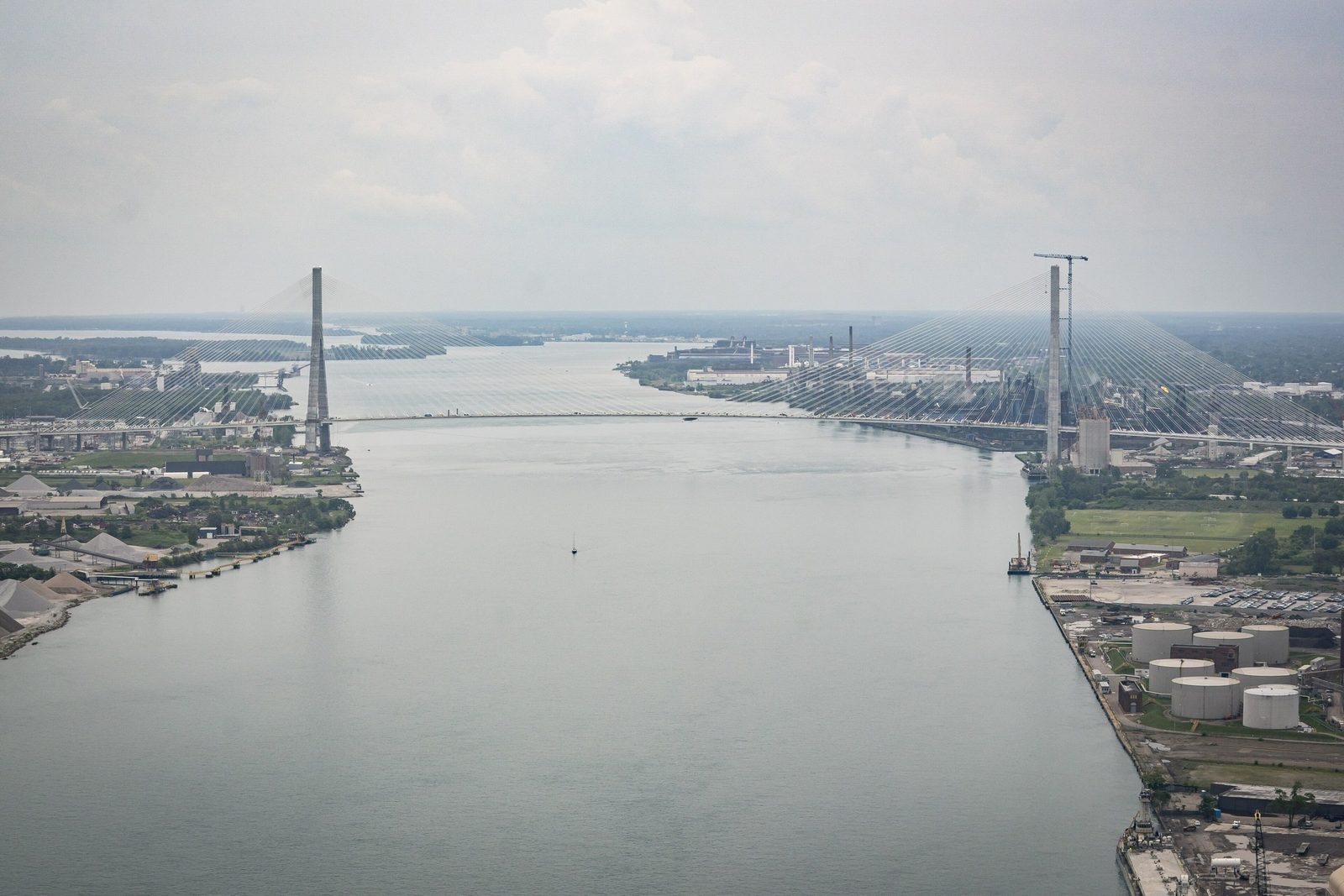
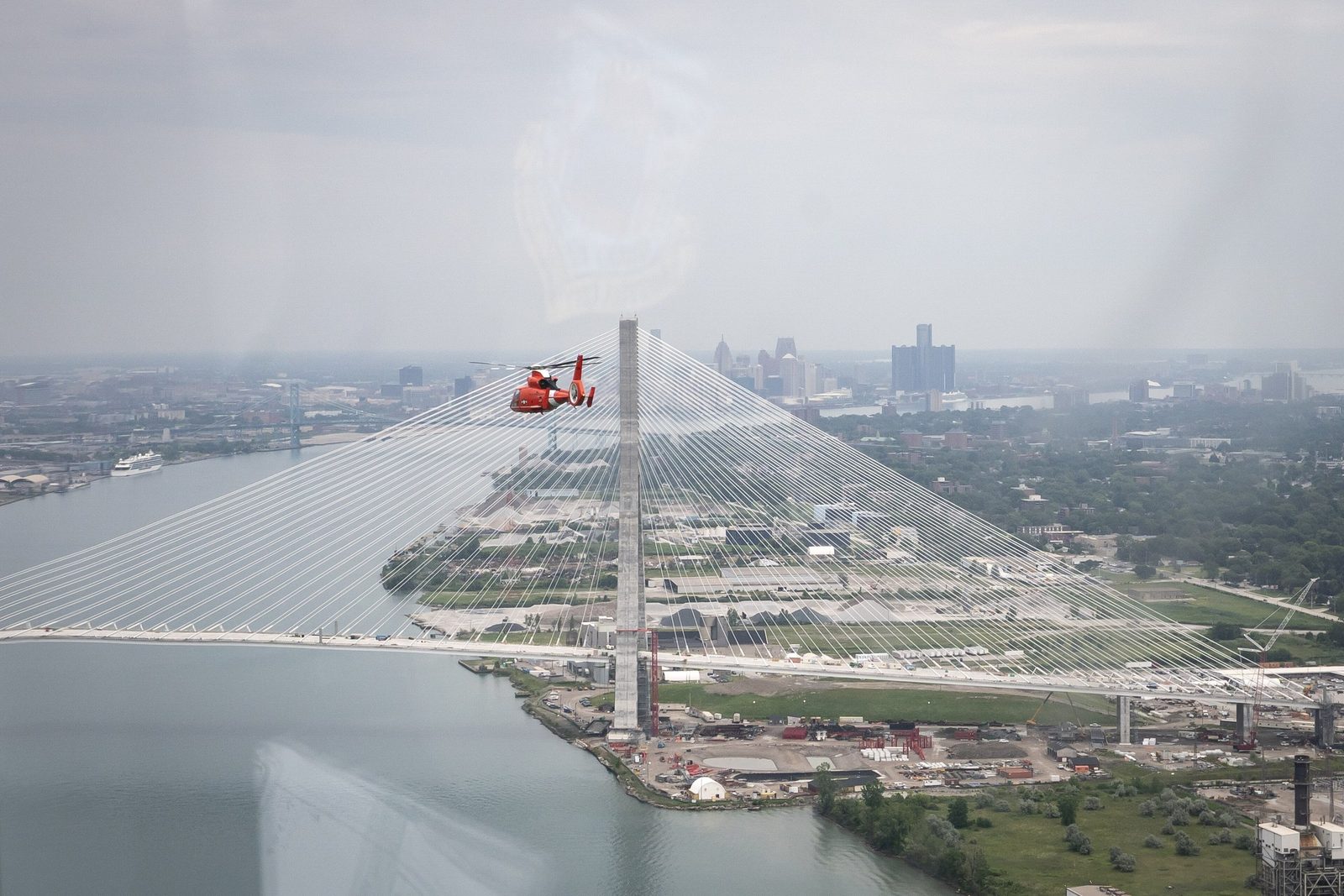
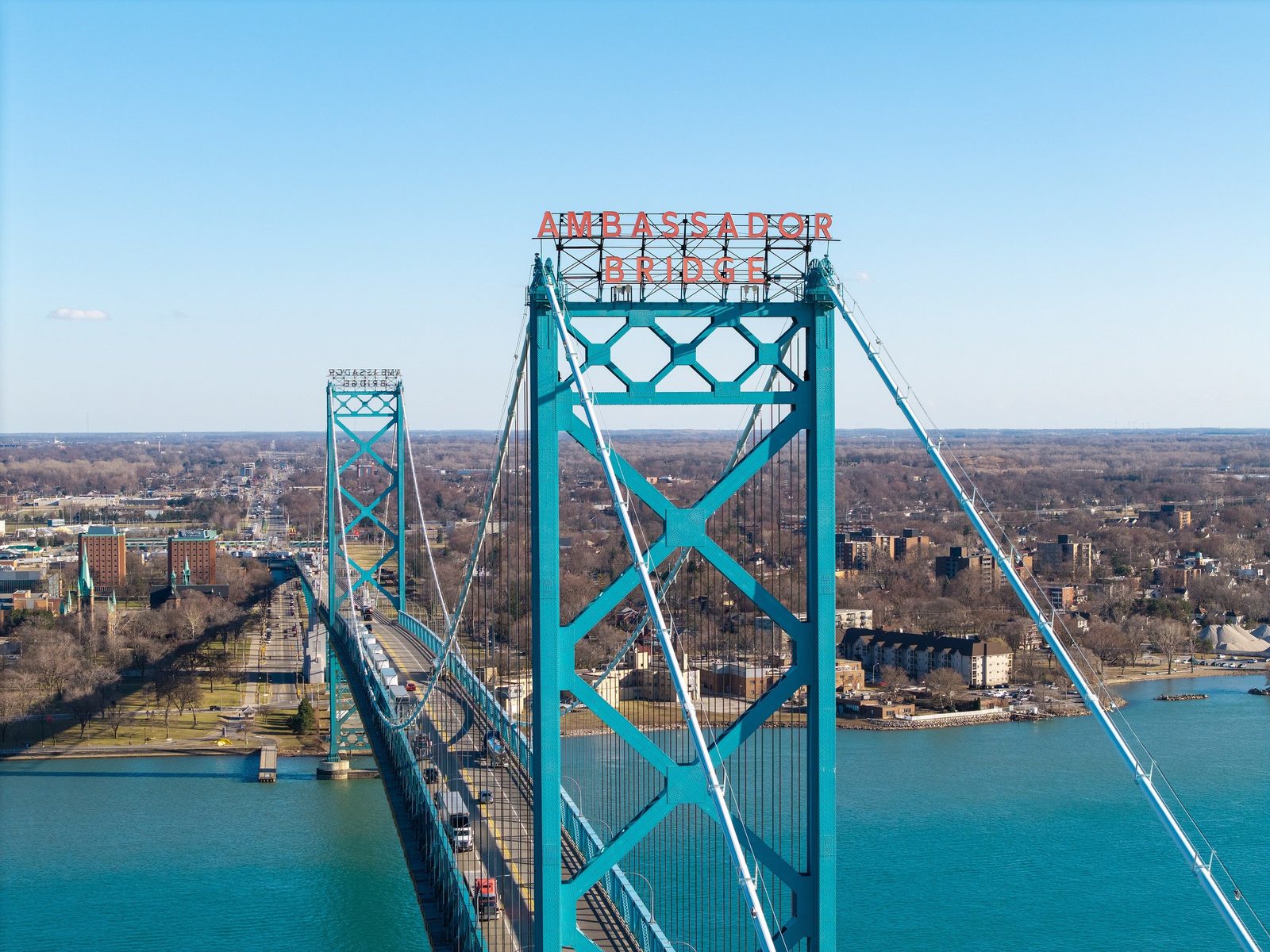
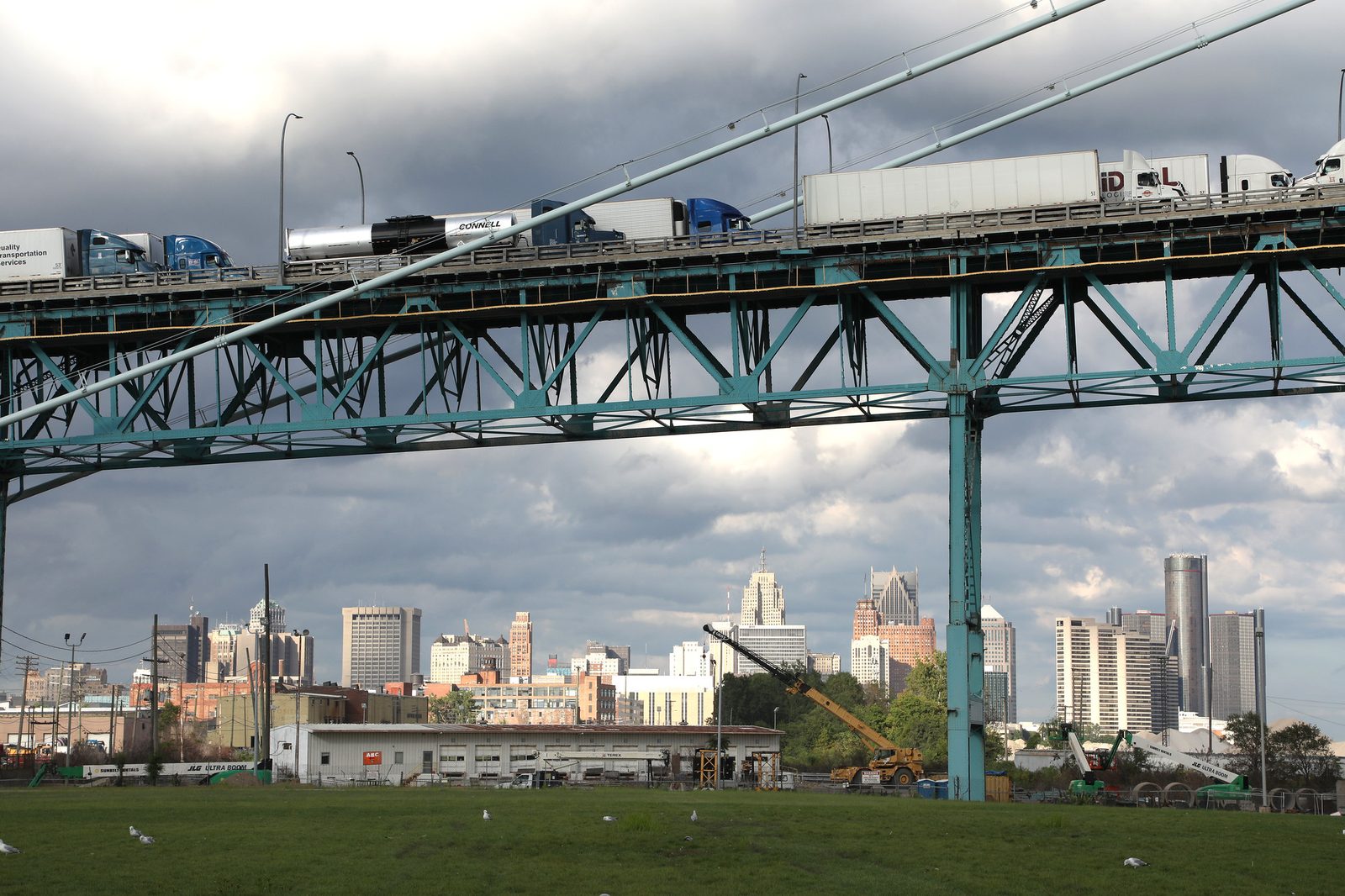
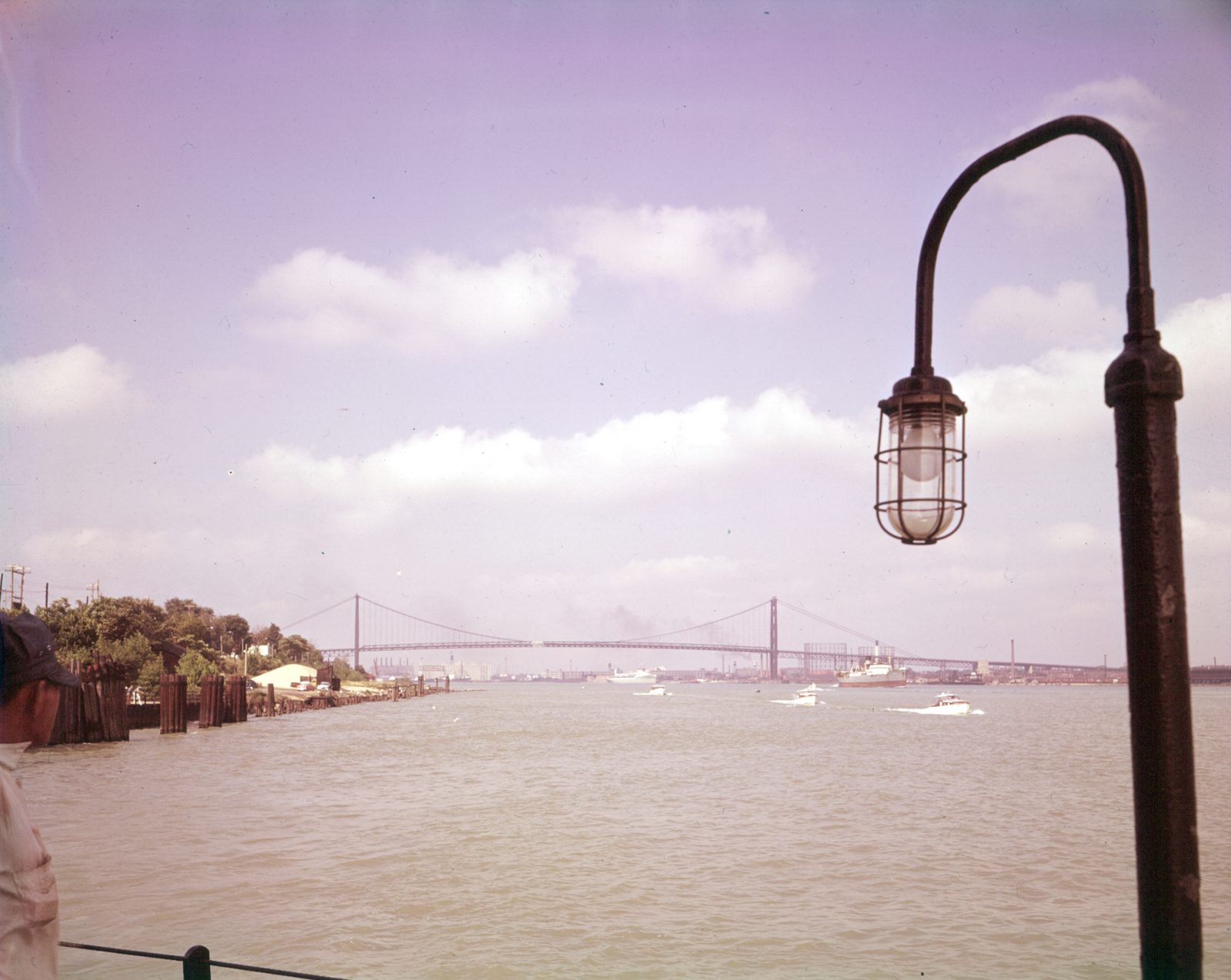
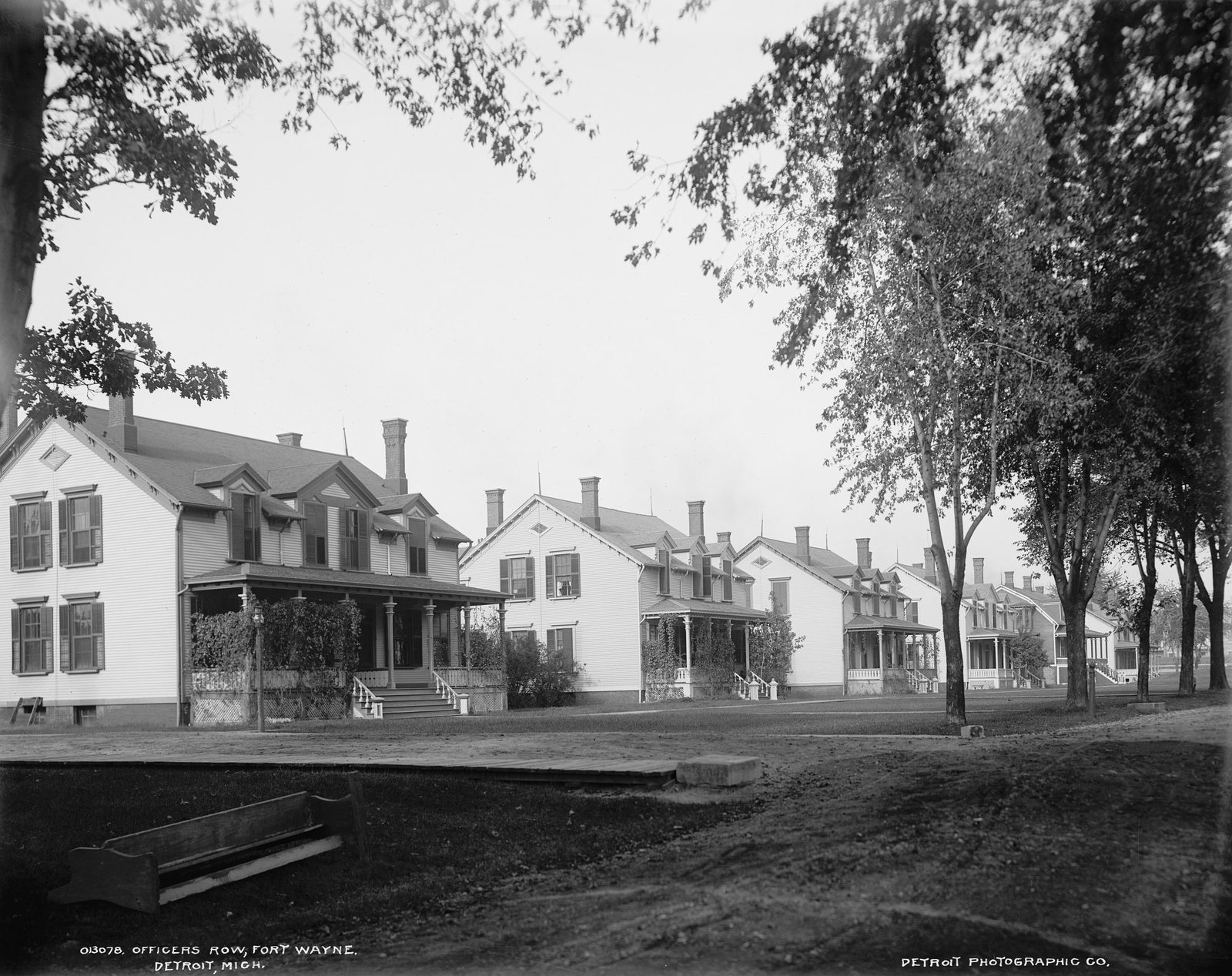
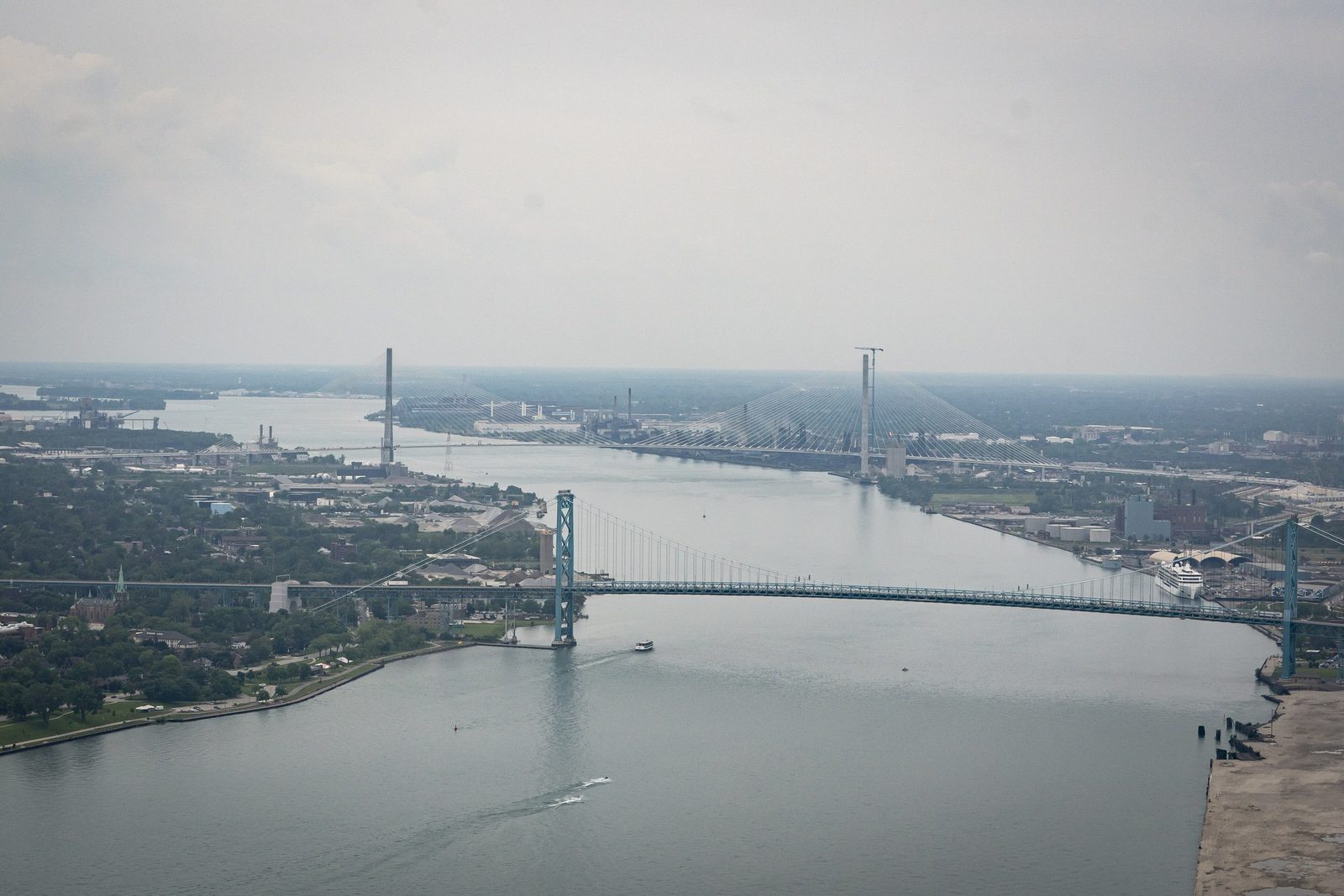
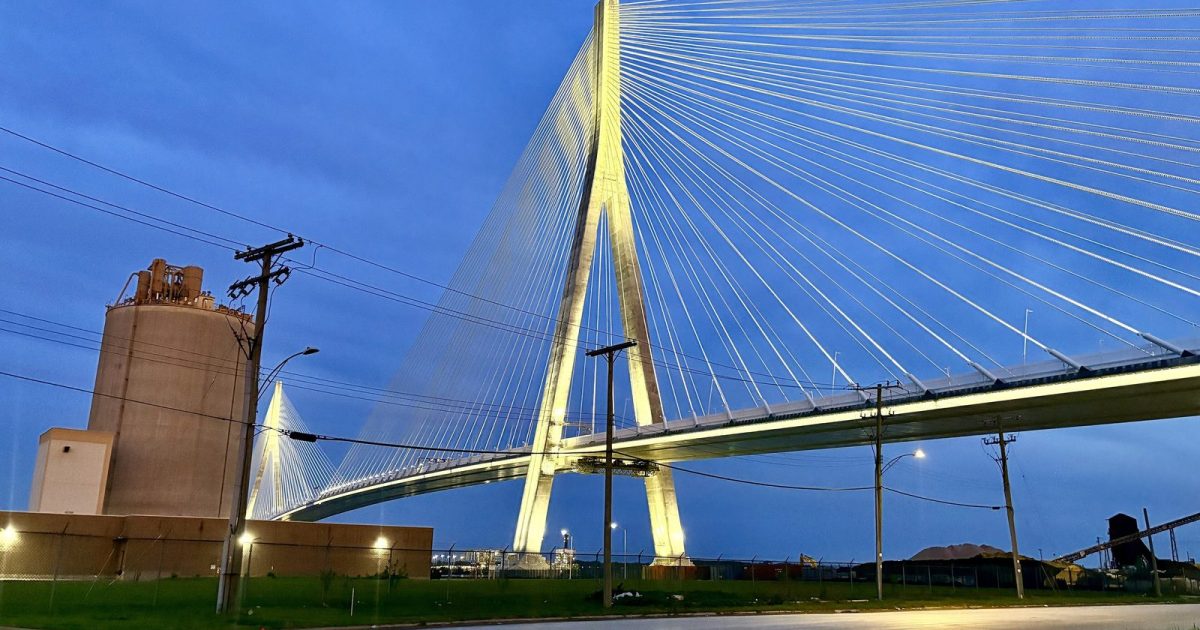
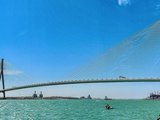
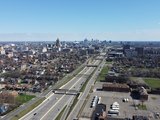
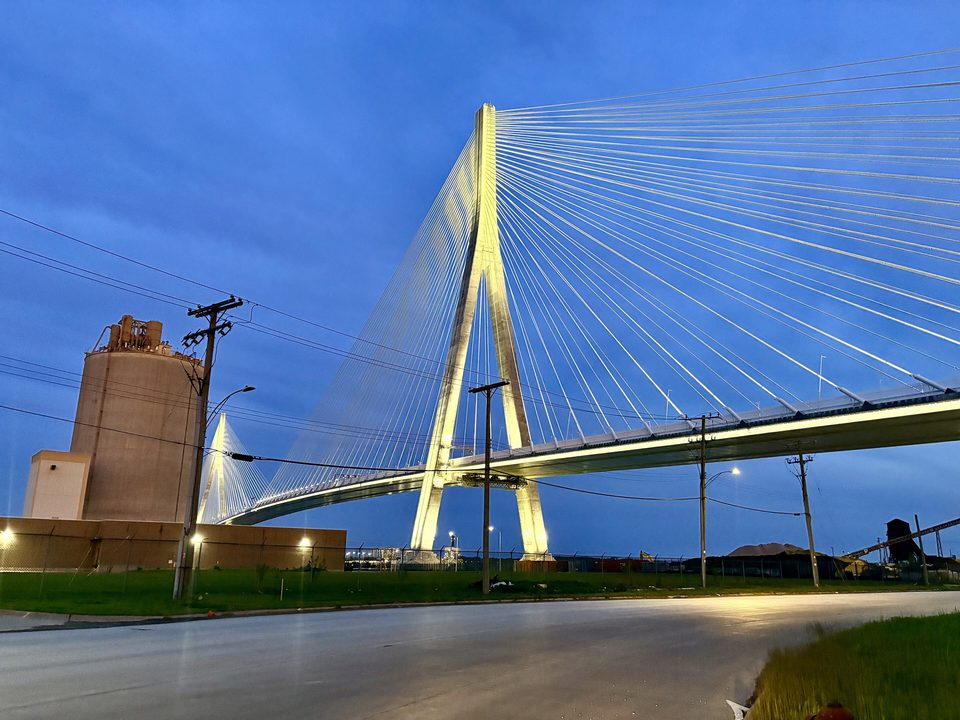
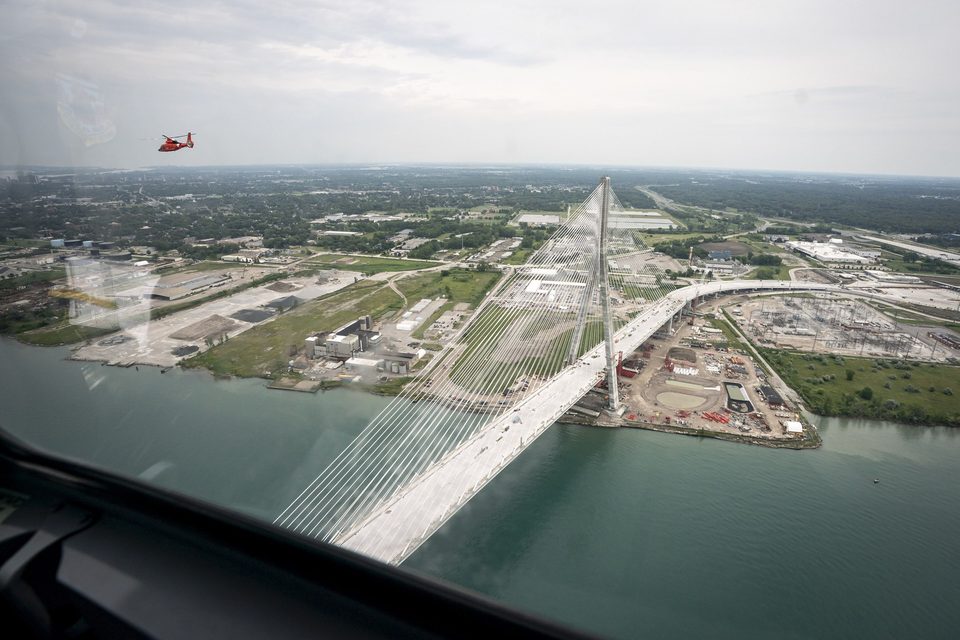
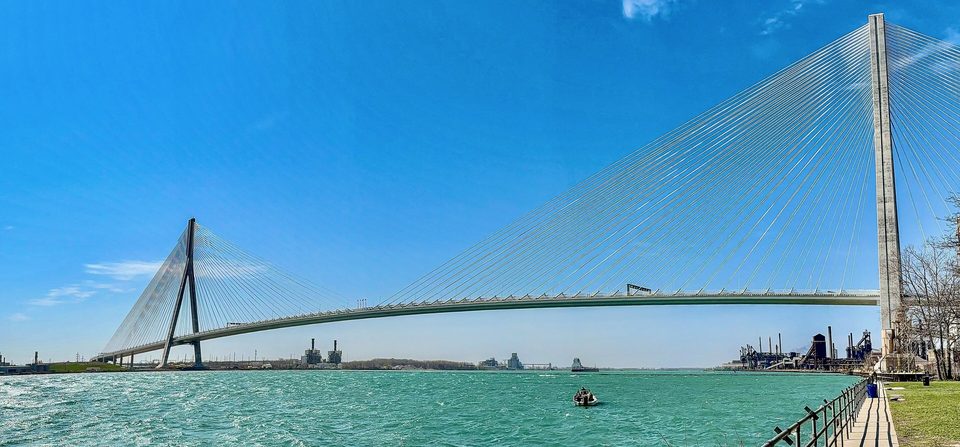
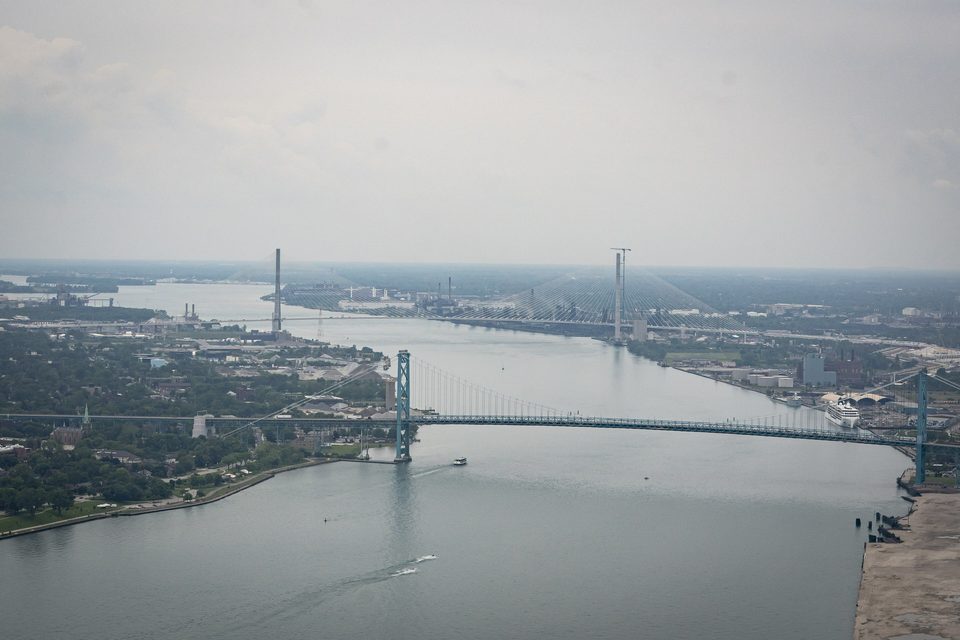
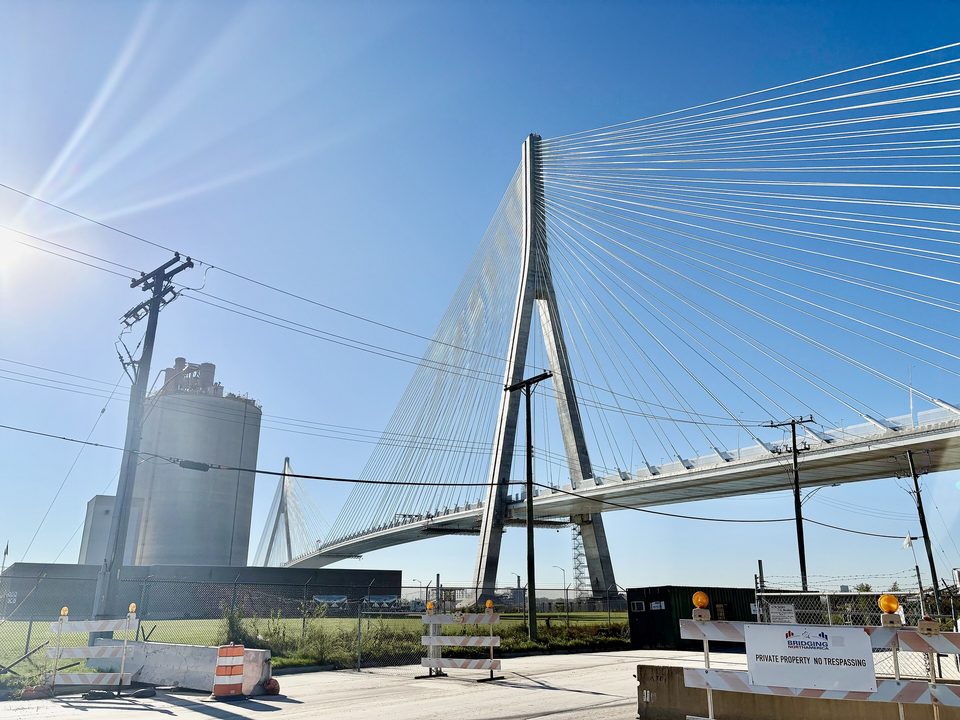
The U.S. end of the bridge sits in Delray, once Detroit’s “Little Hungary.” Platted as Belgrade in 1836 and annexed by Detroit on April 1, 1906, it drew Hungarian factory workers by the thousands around 1900. The Detroit Free Press counted about 5,000 Hungarians in 1911, and by 1925 about 45% of Detroit’s Hungarians lived here.787878
Then came the slide. The wastewater plant wiped out about 600 homes in 1940, I-75 split the neighborhood in the 1960s, and Hungarians moved Downriver to Allen Park, Lincoln Park and beyond. From about 24,000 people around 1930, Delray was down to about 3,100 by 2000.787978
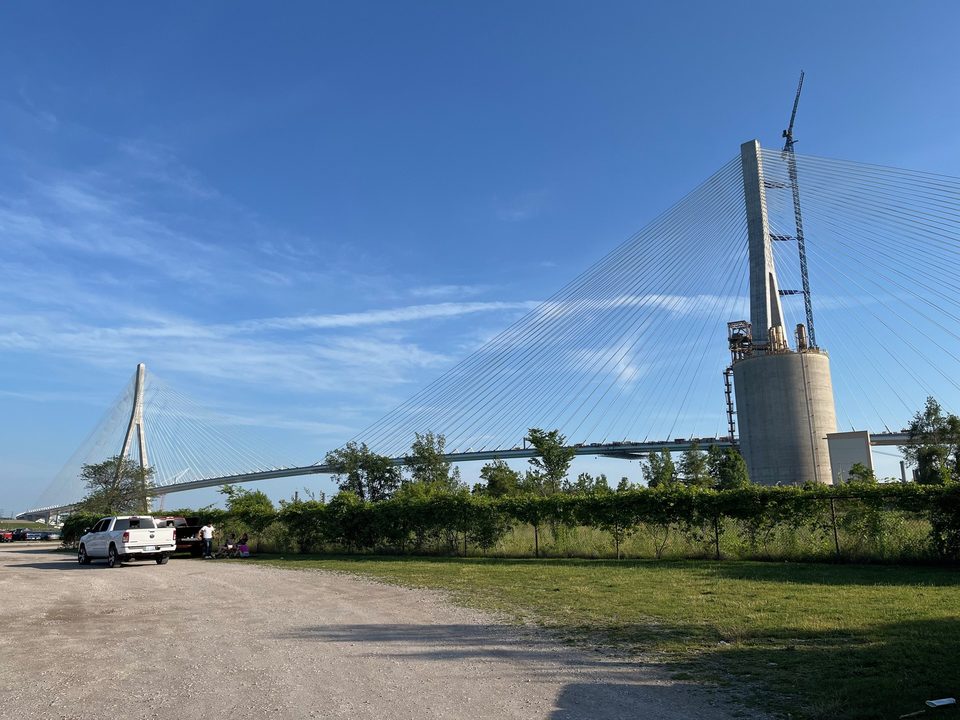
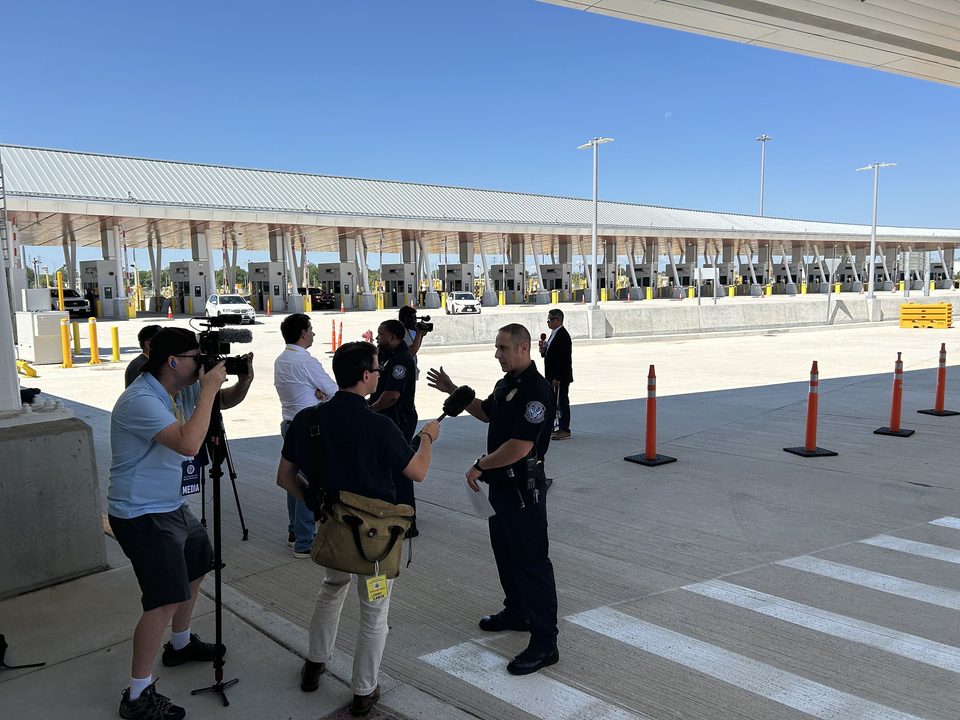
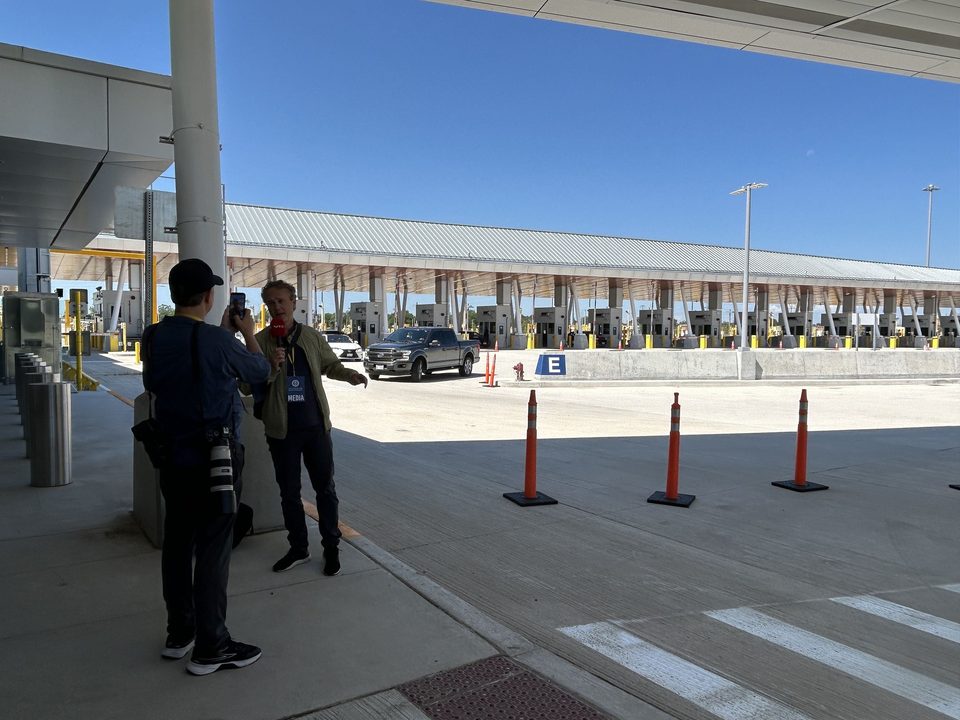
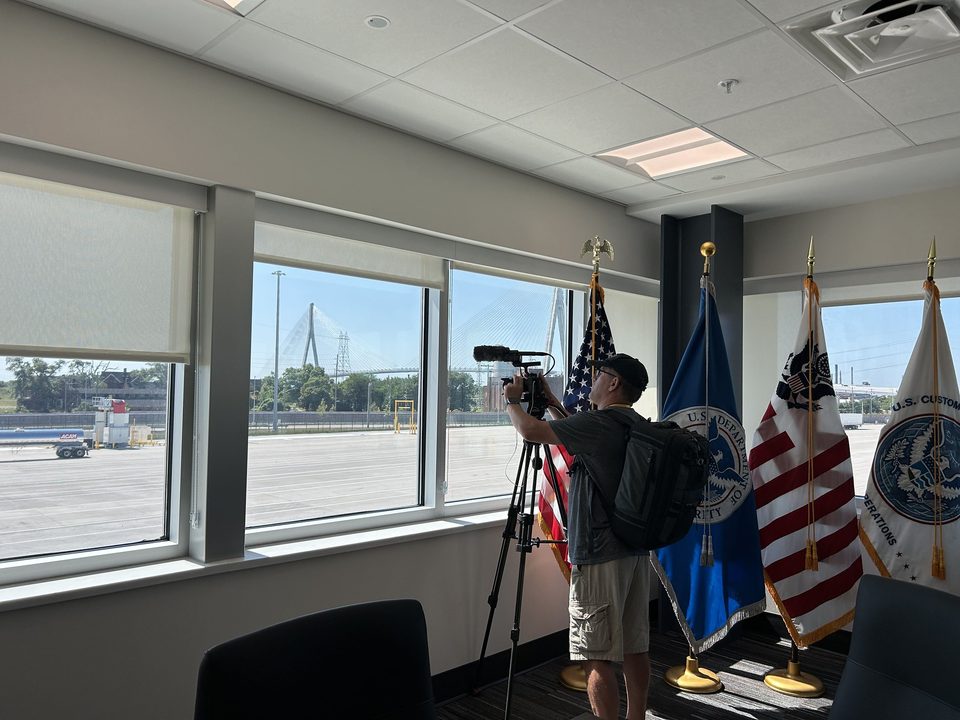
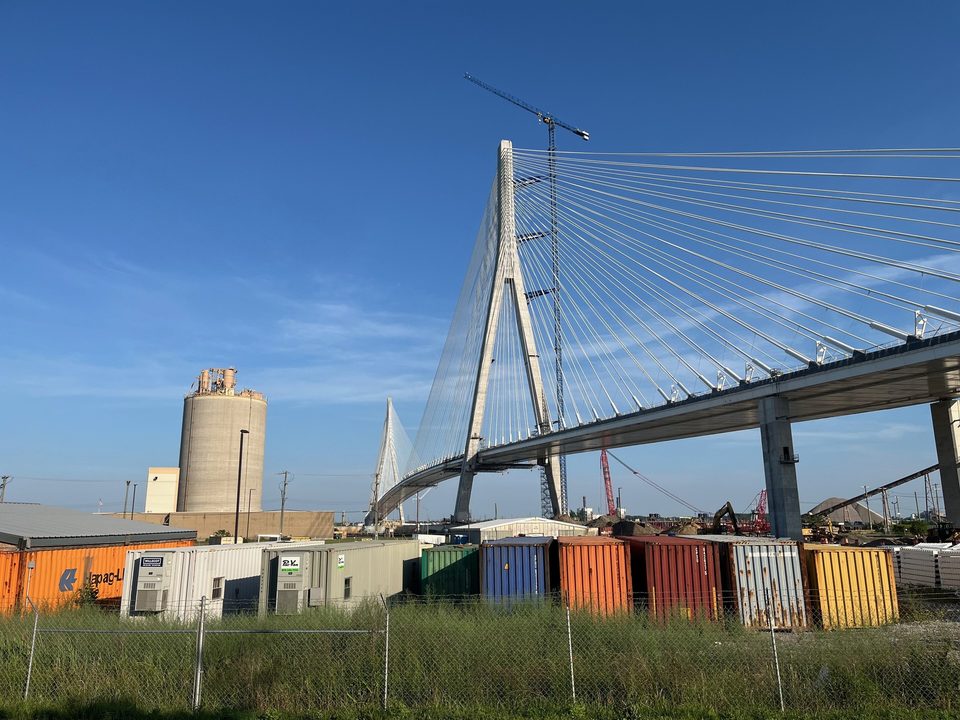
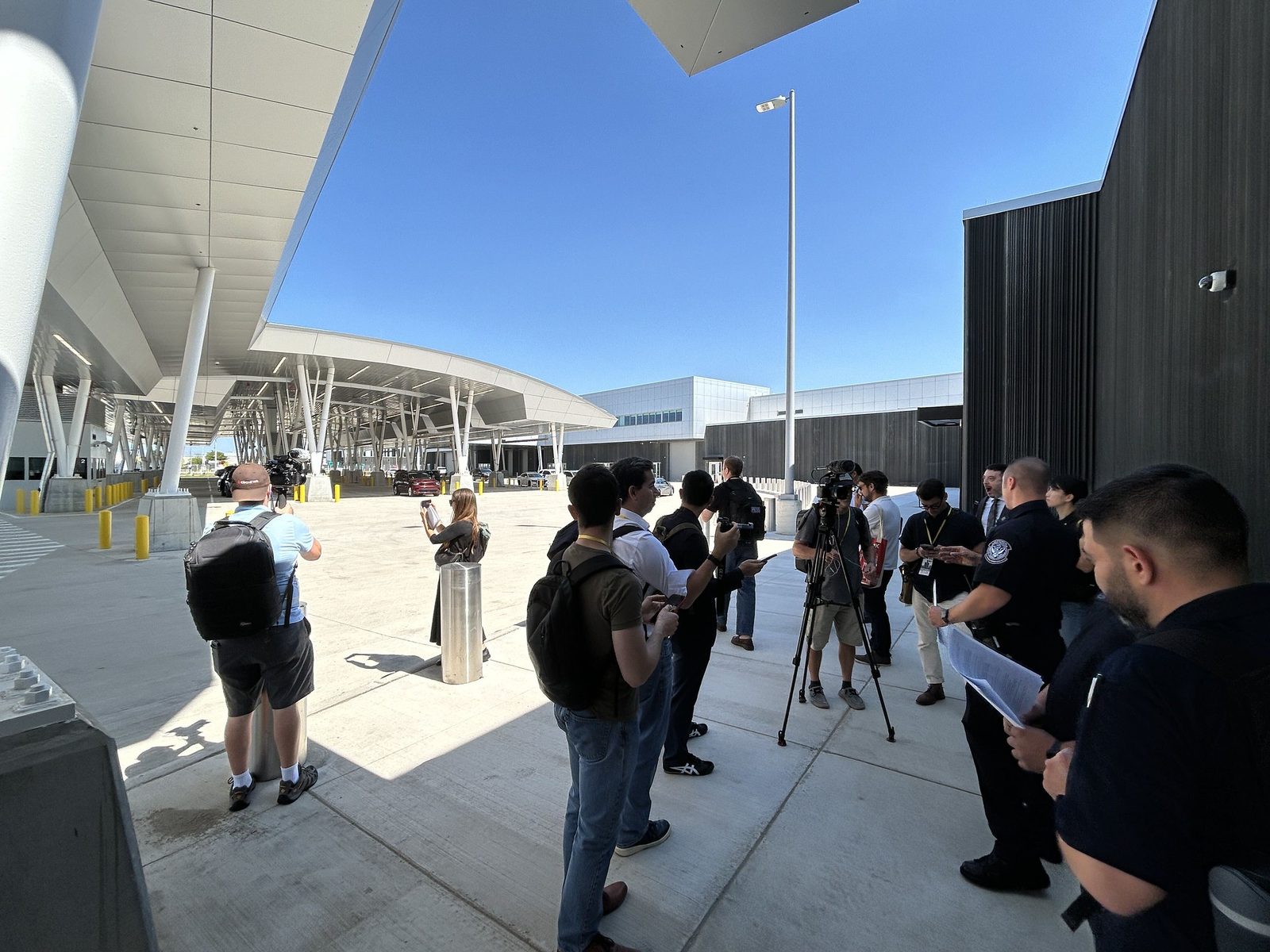
The U.S. port of entry covers 167 acres. The project took 250 homes, 43 businesses and 5 churches. Kovacs Bar went too, opened in the 1930s by Hungarian immigrant Micl Kovacs in an 1889 hotel building; MDOT bought it and it came down in 2017.808182
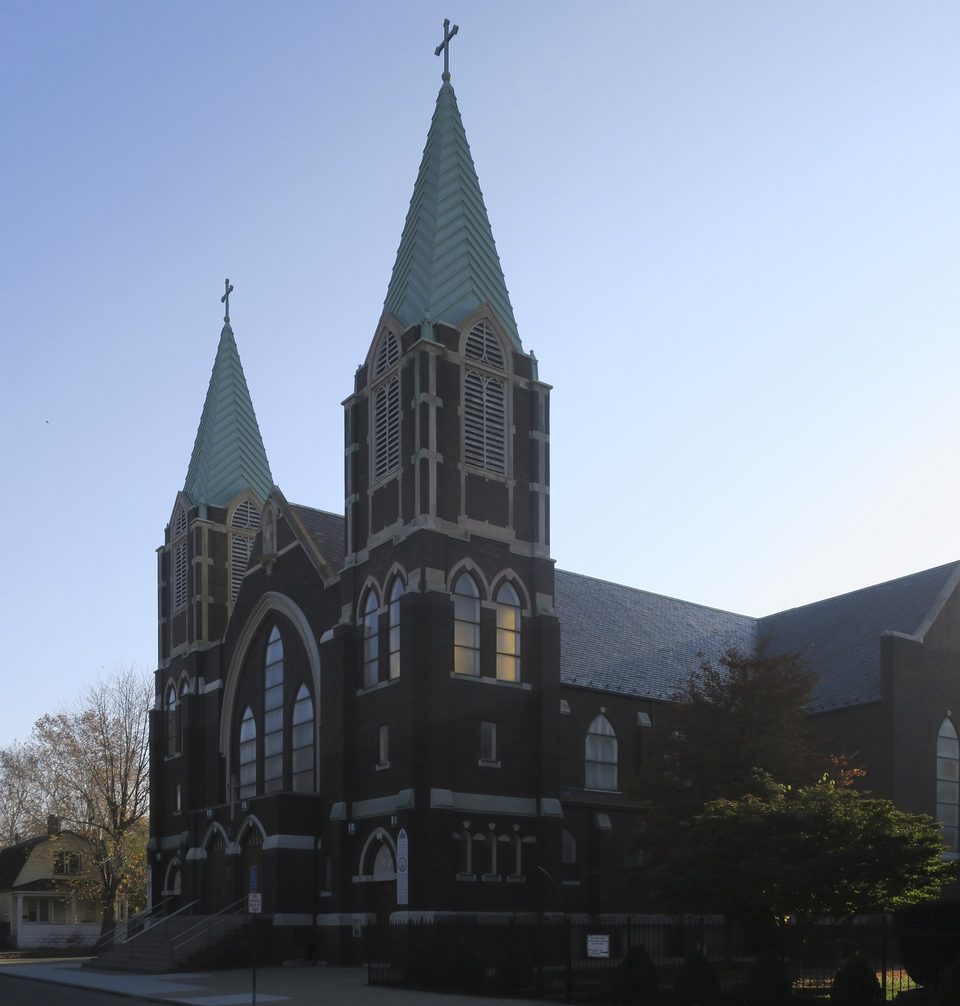
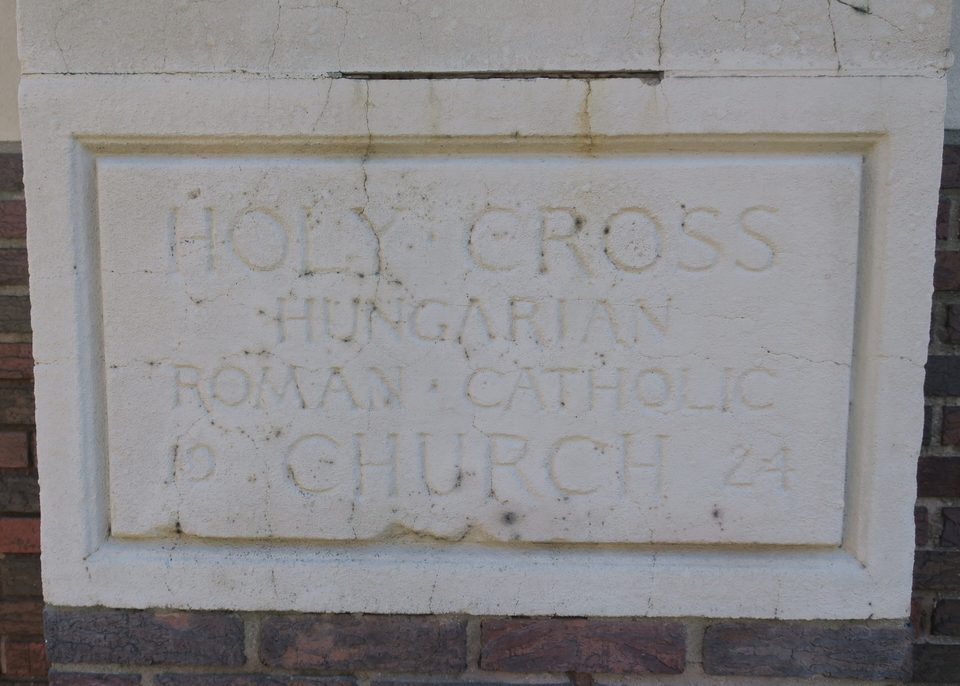
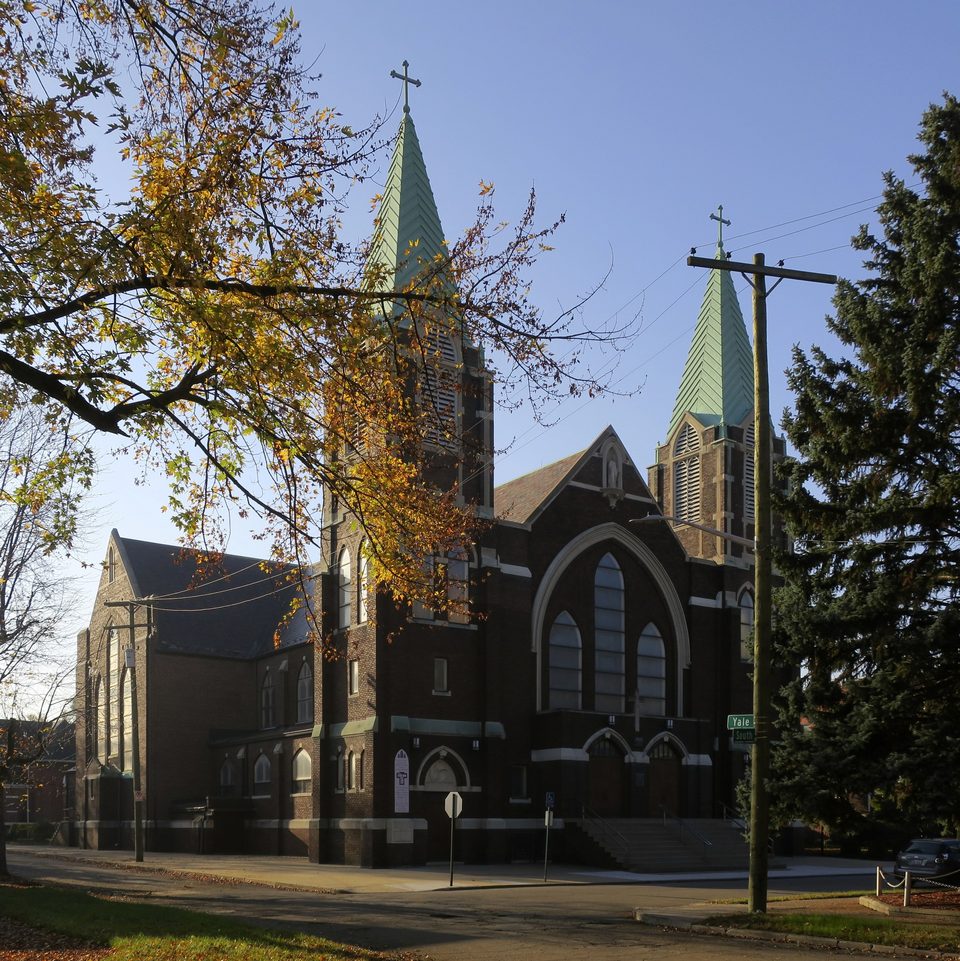
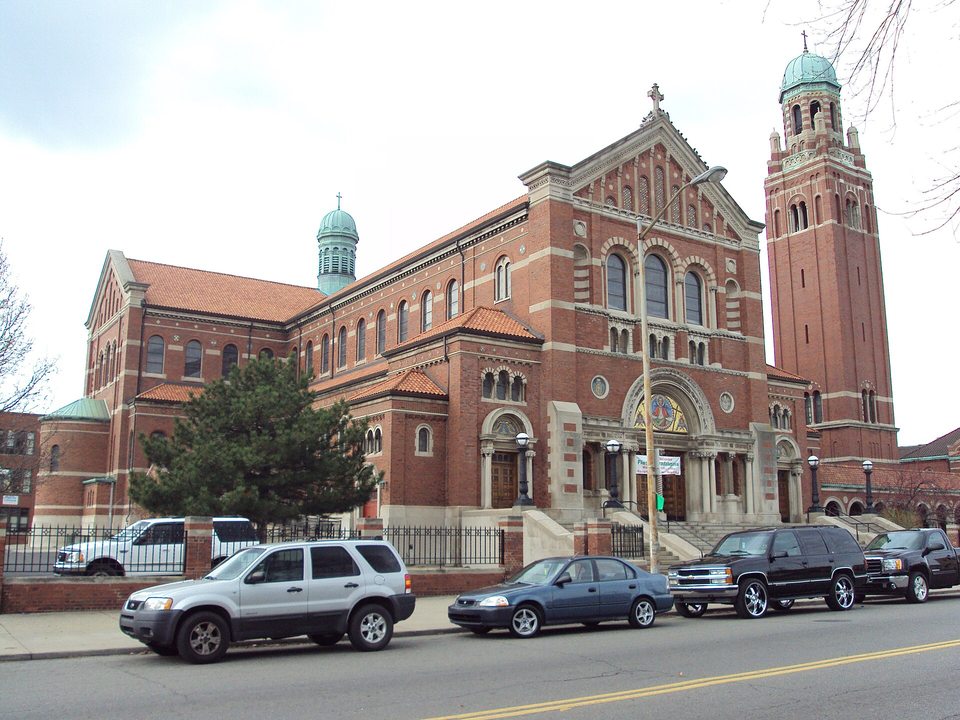
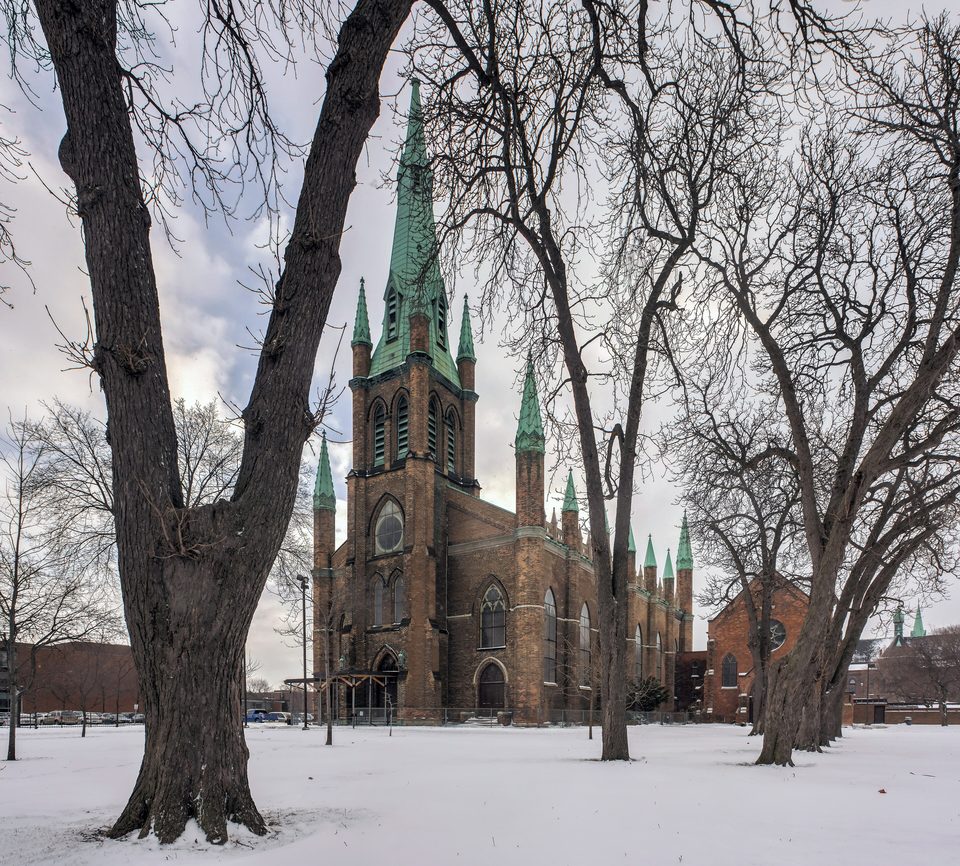
The good news: the heart of Hungarian Delray survived. Holy Cross Hungarian Catholic Church on South Street stands about 0.7 mile from the port and was untouched. Consecrated on September 20, 1925, refilled by refugees after 1956 and served by Hungarian Franciscans since 1994, it still calls itself Michigan’s only Hungarian Catholic church. Two former Hungarian Protestant churches also still stand on Thaddeus Street, now home to other congregations.8384848586
What’s missing: none of the bridge’s 16 history signs mentions Delray’s Hungarian past. The eight U.S.-side signs, in Spanish and English, cover Indigenous peoples, French settlers and Motor City music. So we’re telling it here.8787









 2,799ft
 722ft
722ft 216
216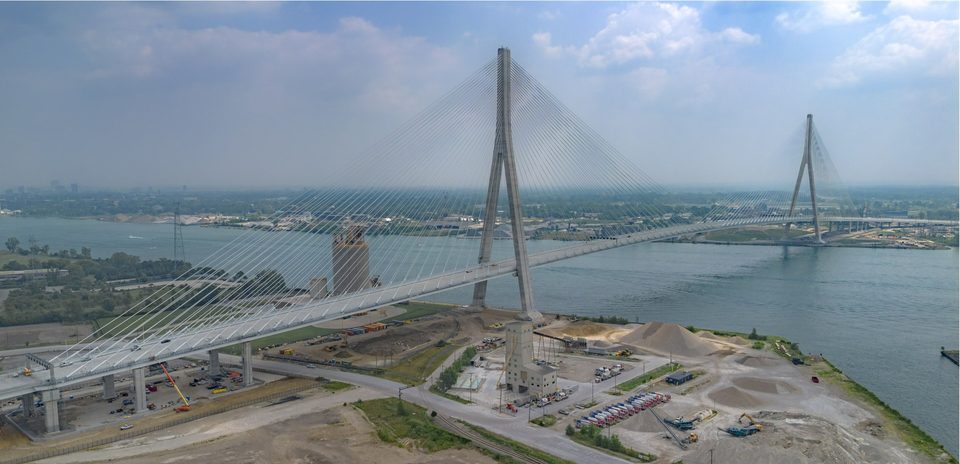 6lanes
 6.4billion CAD
 15,843