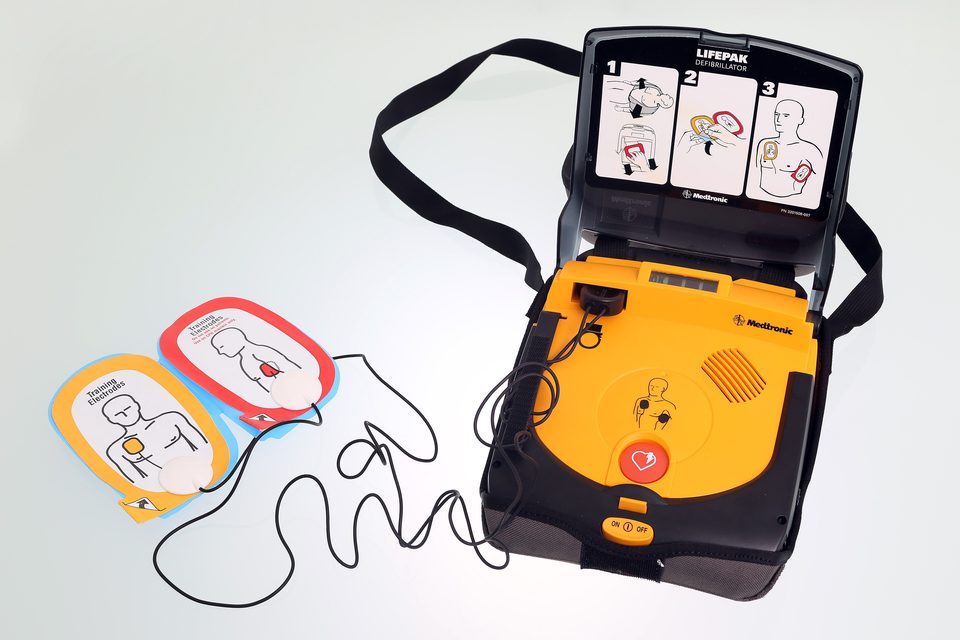
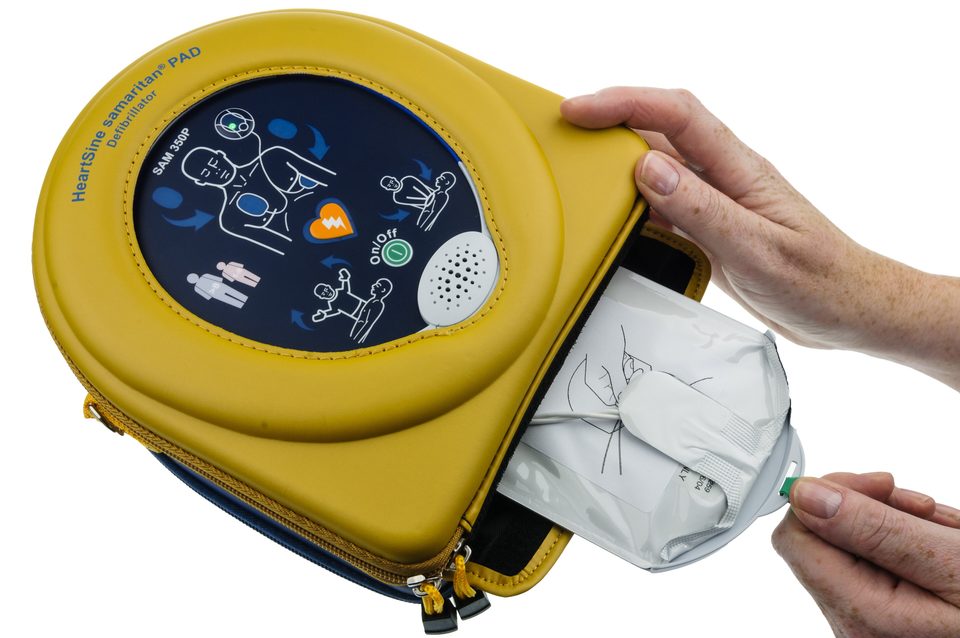
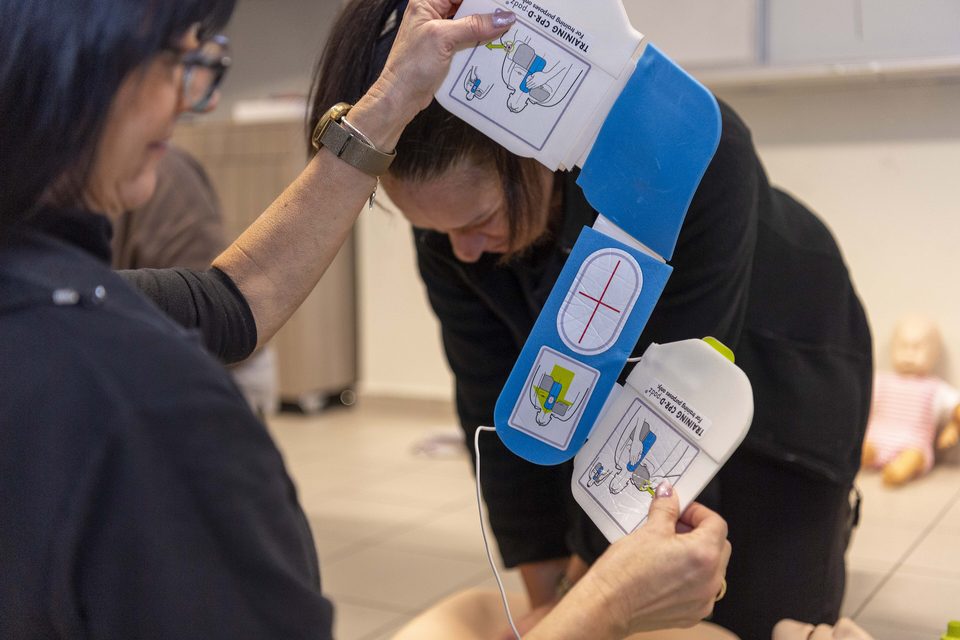
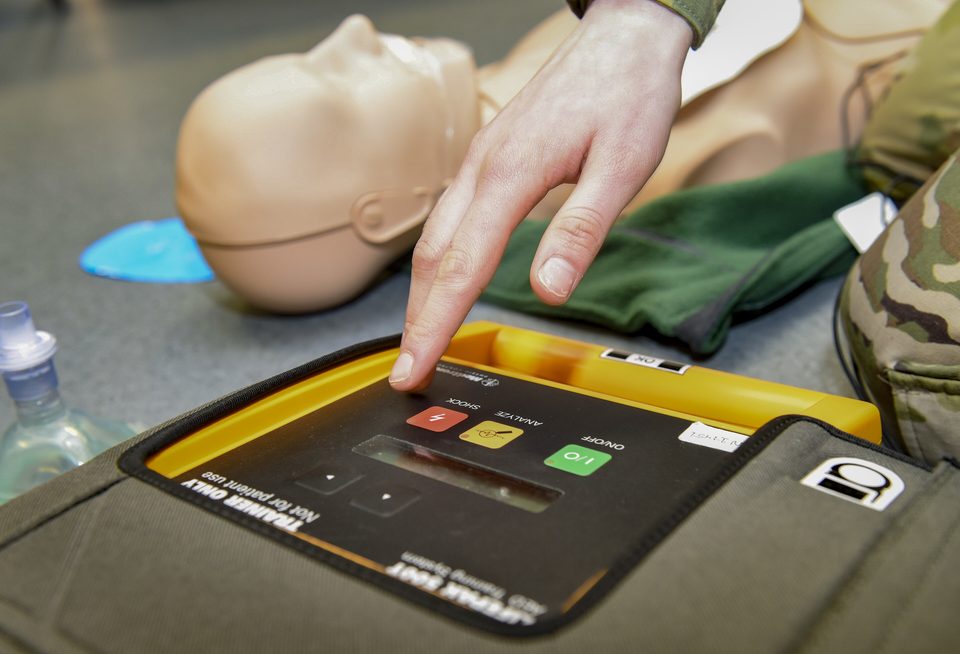
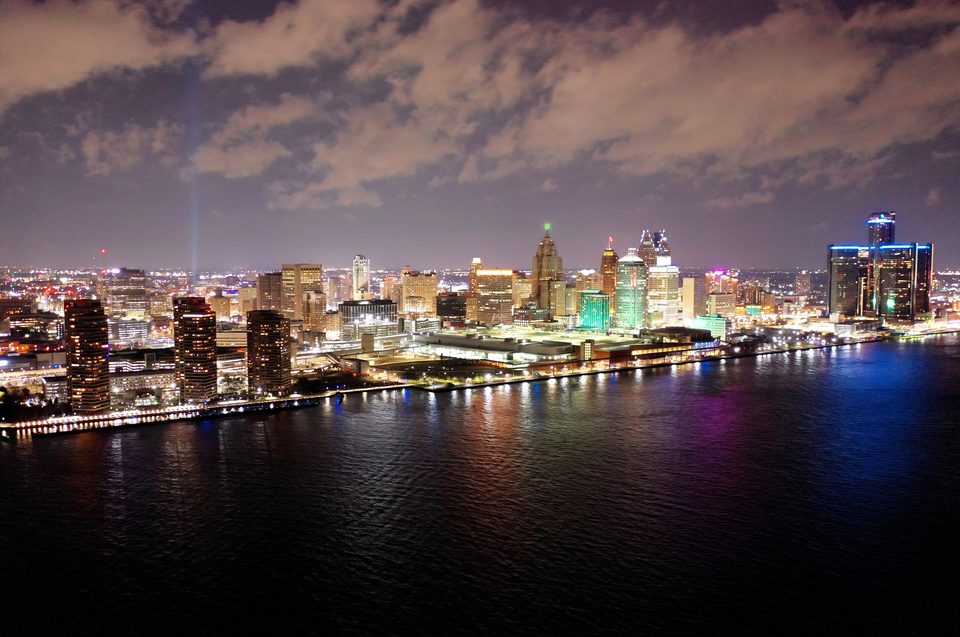
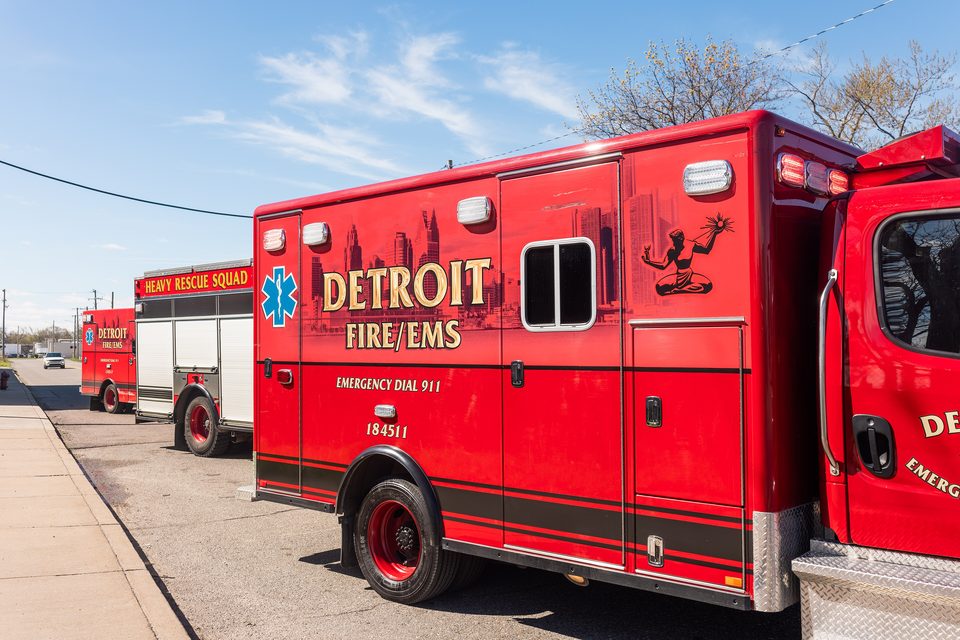
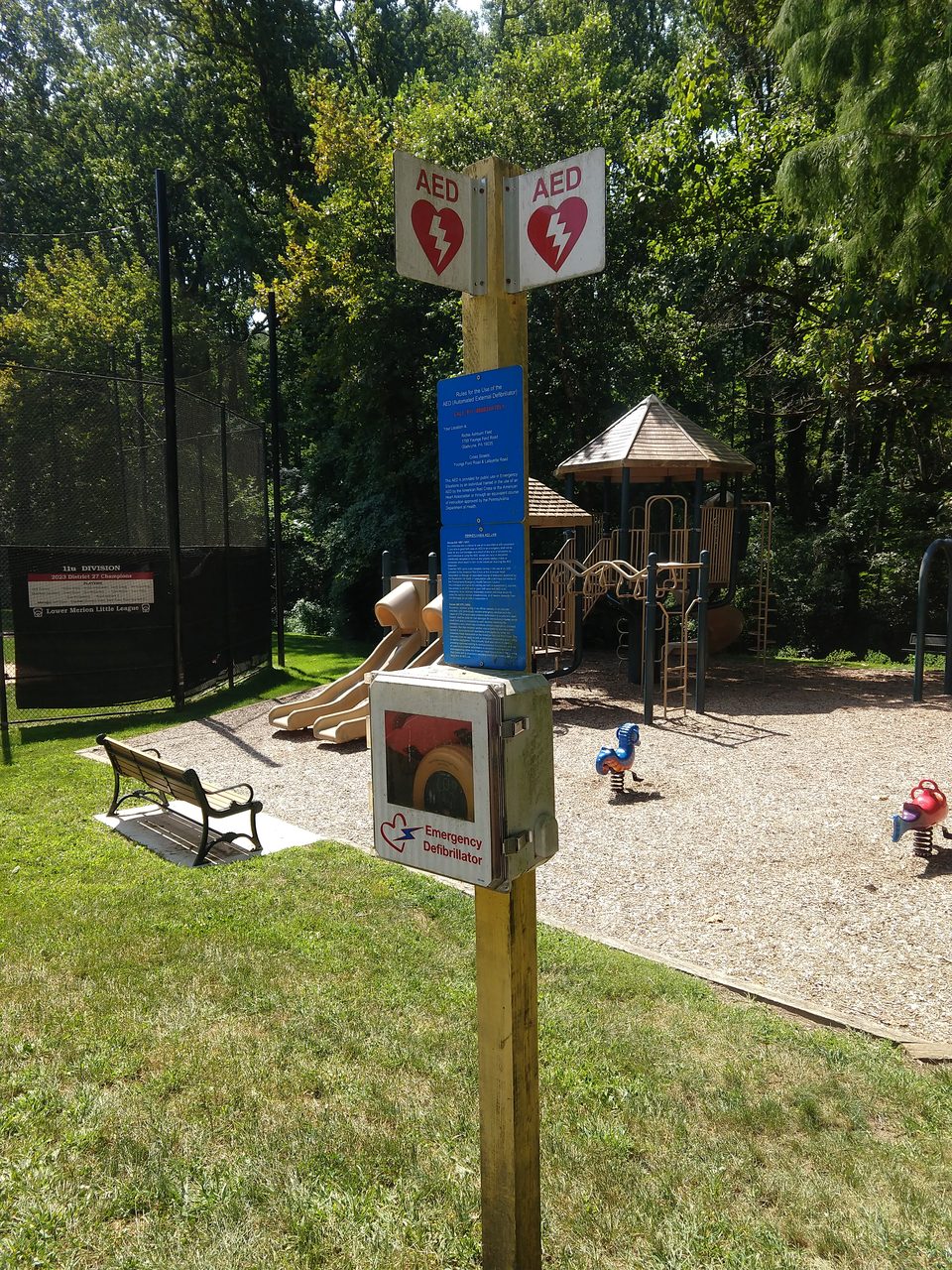
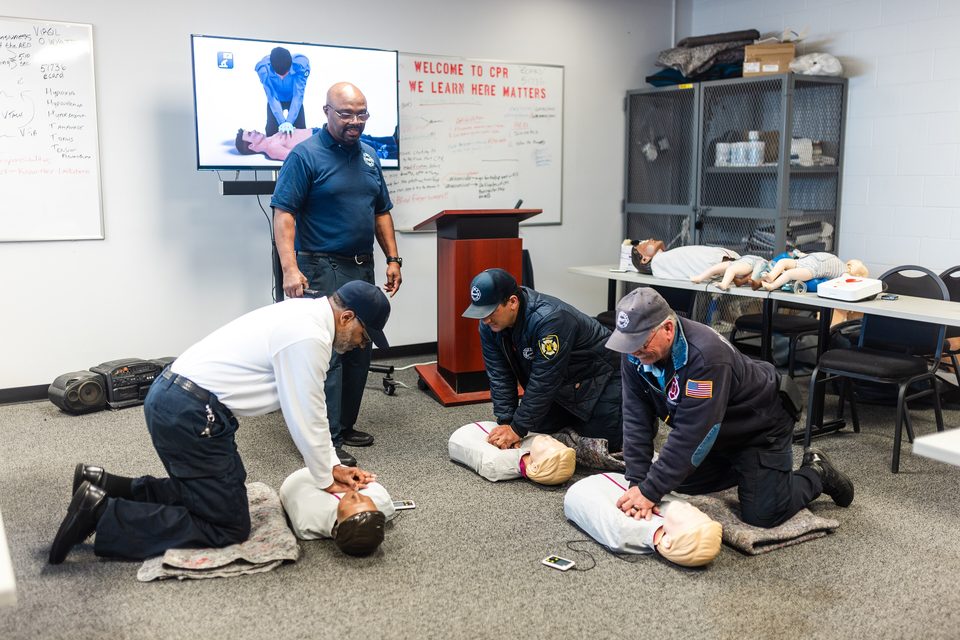
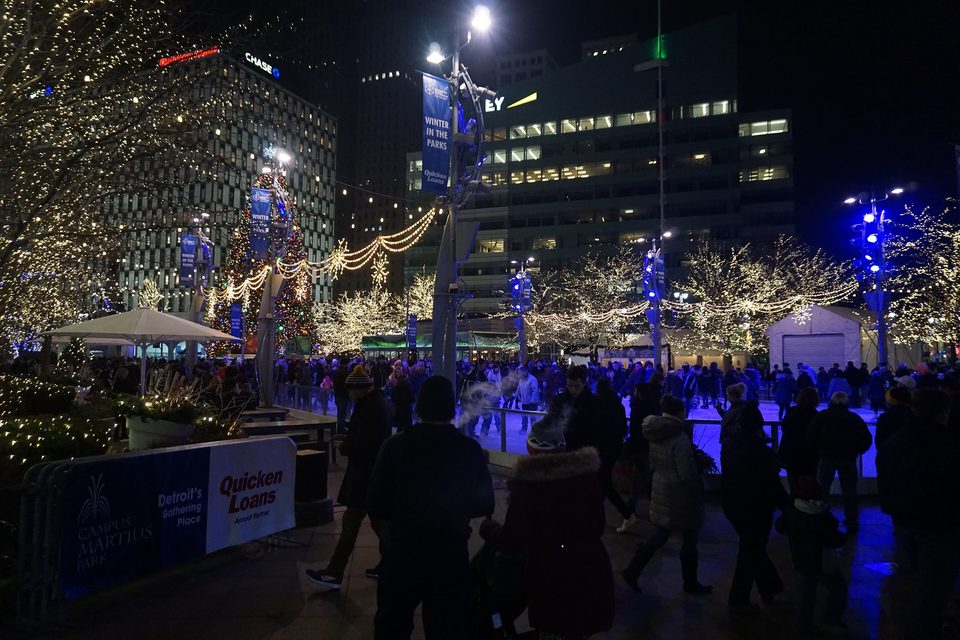
On August 27, 2024, Detroit became the largest municipality to earn the HEARTSafe Community designation. According to the city, more than 500 AEDs are registered across Detroit, and more than 100,000 people have been trained in hands-only CPR and AED use.14,15
Detroit has already proven it can change. In six months of 2002, just one of 471 out-of-hospital cardiac arrest patients survived. In 2024, 25 percent of patients who collapsed in front of bystanders with a shockable rhythm survived, and 39.5 percent when a bystander gave CPR or used an AED. Bystanders started CPR in 13 percent of cases in 2015 and in 36 percent in 2024.16,17
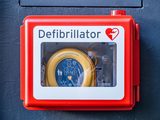
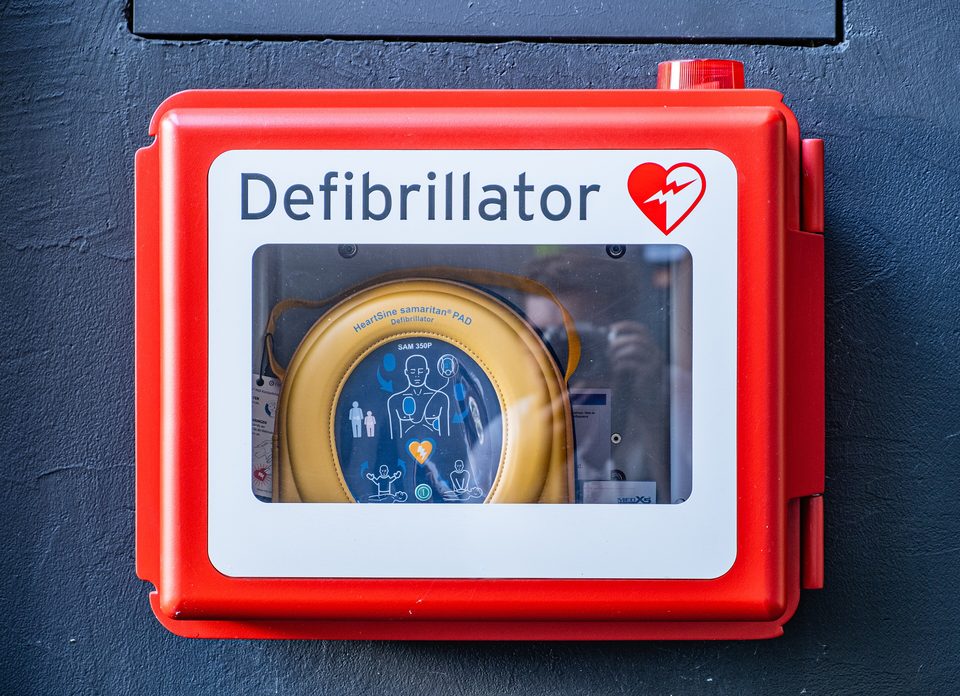
But that list lives in a separate mobile app’s registry; you can’t browse it on an open map. In September 2026 we combed the open web and found sourced AEDs at just seven places inside Detroit’s city limits, twelve devices in all. OpenStreetMap, the open world map, had not a single AED marked in Detroit.18
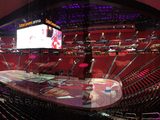
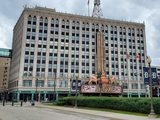
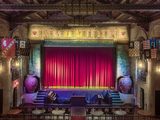
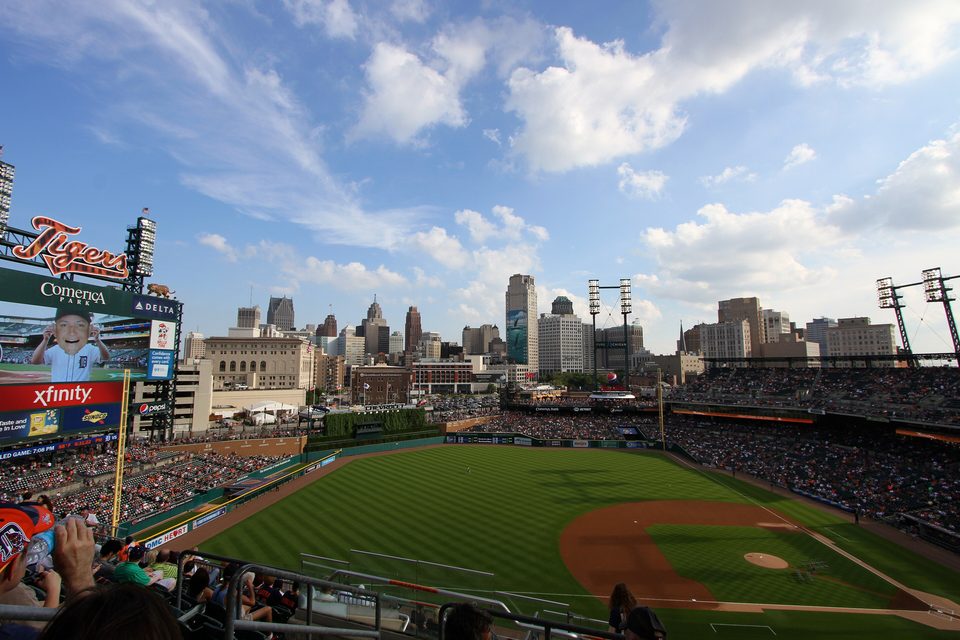
The visitor guides for Comerica Park, Little Caesars Arena and the Fox Theatre mention first-aid stations, but no AED. There may well be one. But in an emergency the question isn’t whether it exists; it’s whether you know where it is.19,20,21
Research shows that people who collapse in low-income, mostly Black U.S. neighborhoods are about half as likely to get CPR from bystanders as people in high-income, mostly White ones. In a 2026 Wayne State study, 84.6 percent of Detroit cardiac arrest patients who received CPR were Black. Here, it matters even more that everyone knows where the nearest AED is.22,23
Philadelphia has shown what a city gains when it searches together. A 2011 survey found no AED in 88 percent of publicly accessible buildings. Then in a 2012 crowdsourcing contest, more than 300 people photographed and mapped over 1,500 AEDs in 800 buildings in eight weeks. Detroit can do it too.24,25