Architecture & design
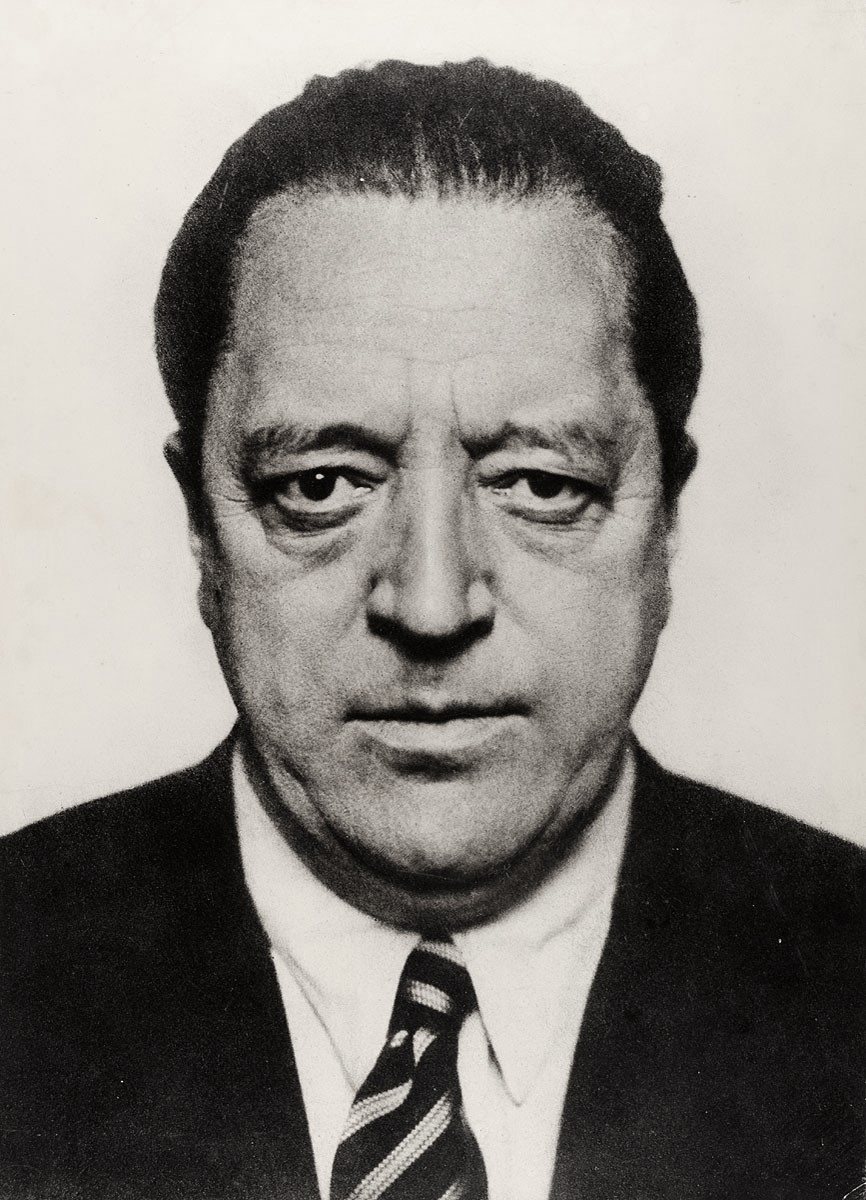
Ludwig Mies van der Rohe
1886–1969
 · architect
German-American modernist master whose Lafayette Park near downtown Detroit is the largest collection of his buildings anywhere.
- Born
Aachen, Germany- Died
Chicago, Illinois
aged 83- Birth name
- Maria Ludwig Michael Mies
- Also known as
- Mies
- Detroit years
- 1955–1963
01 / The Detroit story
The Detroit story
The last director of the Bauhaus emigrated to Chicago in 1938, and in the mid-1950s the developer Herbert Greenwald brought him to Detroit for the Gratiot Redevelopment, an urban renewal project east of downtown. The site had been Black Bottom, a historic African American neighborhood cleared by the city in the early 1950s. Working with planner Ludwig Hilberseimer and landscape architect Alfred Caldwell, Mies laid out a park-like superblock with cars kept to the edges and a long green spine through the middle. He designed the 22-story Pavilion apartment tower (1959), rows of one- and two-story glass-and-steel townhouses and court houses, and the twin Lafayette Towers (1963). The result, now known as Lafayette Park, is the largest group of Mies buildings in the world and one of the few racially integrated modernist neighborhoods of its era to thrive for decades. It was listed as a National Historic Landmark district in 2015.
Highlights
- Designed Lafayette Park's Pavilion (1959), townhouses and Lafayette Towers (1963)
- Largest collection of Mies van der Rohe buildings in the world
- Master plan created with Ludwig Hilberseimer and Alfred Caldwell
- Lafayette Park became a National Historic Landmark district in 2015
- Last director of the Bauhaus; designer of New York's Seagram Building
02 / Their Detroit places
Their Detroit places 1
Where they lived, worked, performed and liked to hang out. Closed and demolished places stay here too, because they are part of the city's history.
Worked here · 1956–1963
Lafayette Park (Pavilion Apartments, Mies townhouses, Lafayette Towers)
His residential district on the former Black Bottom site: the Pavilion tower, glass townhouses and court houses, and the twin Lafayette Towers, all still lived in.