Science & invention / Politics
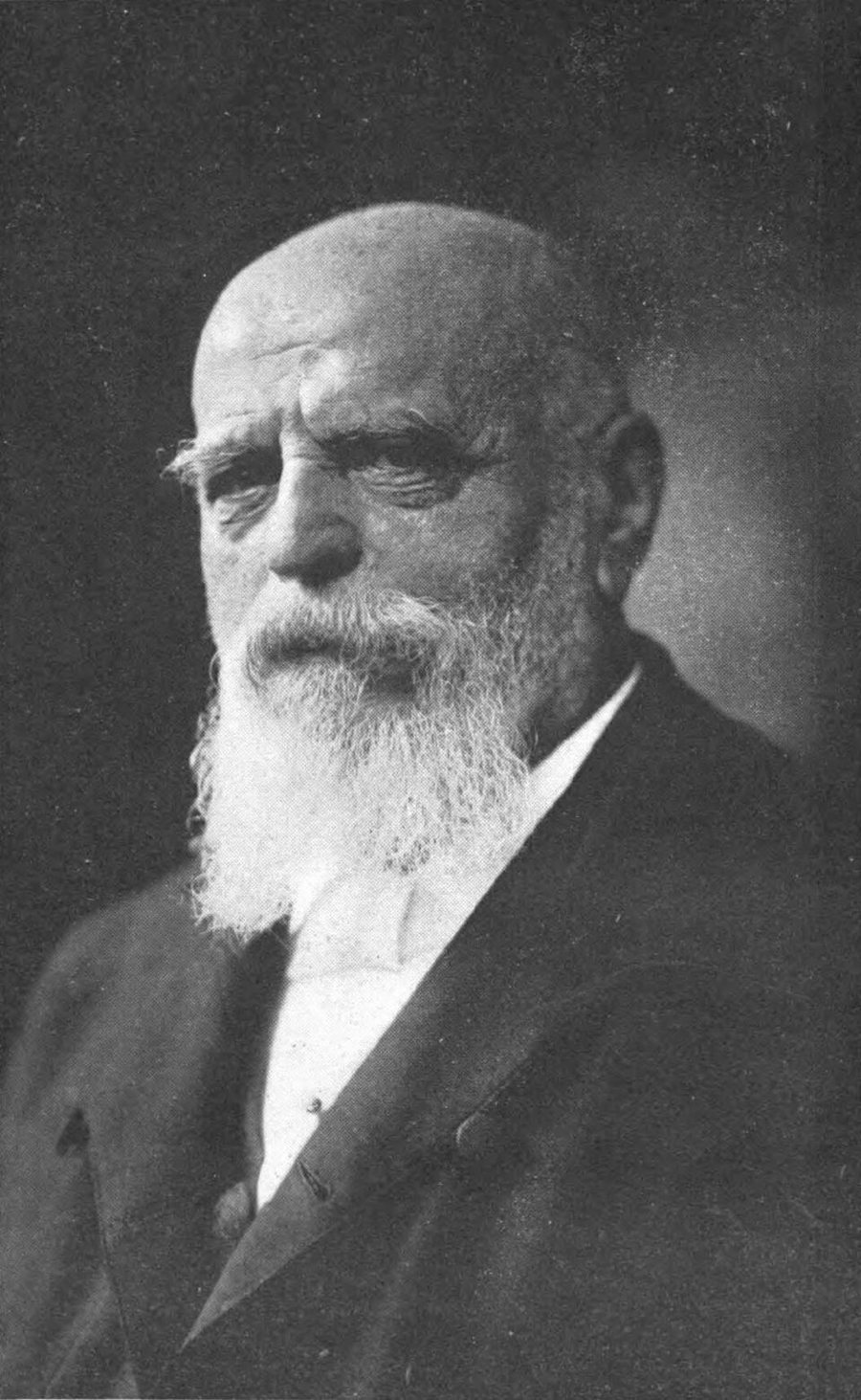
Herman Kiefer
1825–1911 · physician, civic leader, diplomat
German revolutionary of 1848 who fled to Detroit, practiced medicine there for six decades, led German-American civic life and gave his name to the city's public health hospital.
- Born
Sulzburg, Grand Duchy of Baden (Germany)- Died
Detroit, Michigan
aged 85- Also known as
- Hermann Kiefer
- Detroit years
- 1849–1911
- Field
- Science & invention, Politics
01 / The Detroit story
The Detroit story
Kiefer studied medicine in Freiburg, Heidelberg, Prague and Vienna and served as a surgeon in the revolutionary army of Baden in 1849. When the uprising was crushed he fled, reached the United States that September and in October 1849 opened a medical practice in Detroit, one of many Forty-Eighters who shaped the city's German community. He gave the oration for Detroit's 1859 Schiller centennial and helped found and run the German-American Seminary, a bilingual school. He sat on the Detroit Board of Education, served on the Public Library Commission, where he added a large collection of German books, and was a regent of the University of Michigan from 1889 to 1901. Active in Republican politics, he later held a US diplomatic post in Germany. Known for treating the poor, he was honored when the city named its public health hospital, the Herman Kiefer Hospital, after him.
Highlights
- Surgeon in the Baden revolutionary army, 1849
- Practiced medicine in Detroit from October 1849
- Co-founder of Detroit's German-American Seminary
- University of Michigan regent, 1889–1901
- Detroit's Herman Kiefer Hospital bears his name
02 / Their Detroit places
Their Detroit places 1
Where they lived, worked, performed and liked to hang out. Closed and demolished places stay here too, because they are part of the city's history.
Memorial · 1928–2013
Herman Kiefer Hospital
Closed · 1928–2013
Detroit's public health hospital, named for Kiefer; the 1928 main building by Albert Kahn closed in 2013 and the complex is being redeveloped for mixed use.