Politics / Law / City history
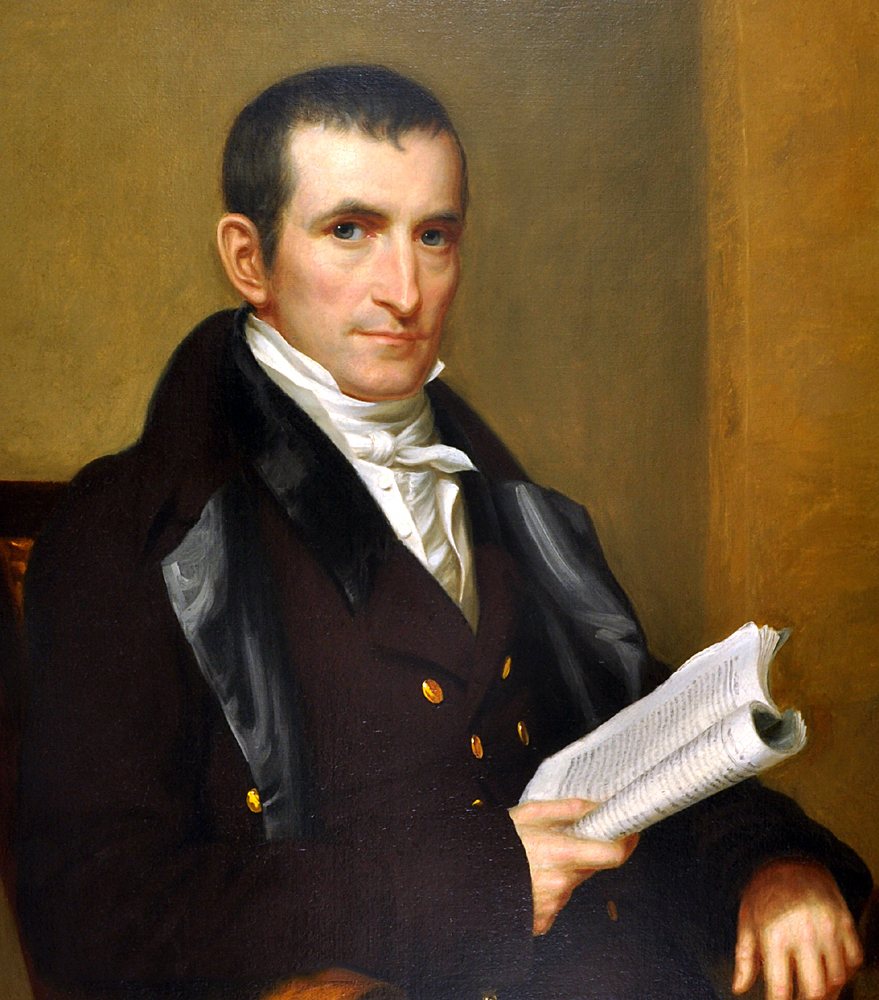
Elijah Brush
1773–1813 · lawyer, mayor of Detroit, territorial treasurer
Early Detroit lawyer and second mayor (1806) whose ribbon farm beside the town became Brush Park; Brush Street carries his family name.
- Born
Bennington, Vermont- Died
Detroit, Michigan
aged 40- Detroit years
- 1798–1813
- Field
- Politics, Law, City history
01 / The Detroit story
The Detroit story
Elijah Brush, a Dartmouth graduate from Vermont, came to Detroit in 1798, soon after the town passed to American control. In 1802 he married Adelaide Askin, daughter of the fur trader John Askin, and in 1806 bought Askin's 'Private Claim No. 1,' the ribbon farm directly adjoining the town. He served as a town trustee, a lieutenant colonel of the territorial militia and treasurer of Michigan Territory, and in 1806 was appointed mayor after Solomon Sibley resigned, though he too soon quit the powerless office. In 1807 he argued Denison v. Tucker, the first case to test slaveholding in Michigan, on behalf of the owners. Captured when Detroit fell to the British in 1812, he was released through a British-officer brother-in-law and died in Detroit shortly after the Americans retook it in 1813. His son Edmund later developed the farm into fashionable Brush Park, where Brush, Edmund, Alfred and Adelaide streets recall the family.
Highlights
- Second mayor of Detroit (1806)
- Treasurer of Michigan Territory, 1806–1813
- His ribbon farm became the Brush Park neighborhood
- Brush, Edmund, Alfred and Adelaide streets are named for his family
02 / Their Detroit places
Their Detroit places 1
Where they lived, worked, performed and liked to hang out. Closed and demolished places stay here too, because they are part of the city's history.
Memorial · 1806–1813 (farm)
Brush Park
Victorian neighborhood north of downtown developed in the 1850s on his former farm; Brush Street and nearby Edmund, Alfred and Adelaide streets are named after his family.