Pierogi and Polish Roots: A Saturday in Polish Detroit
A Pulaski statue by a Hungarian sculptor, a local history museum, a Polish import shop, Hamtramck's cathedral-size church, pierogi and a modern Polish dinner.
stops
8
length
One day
areas
4
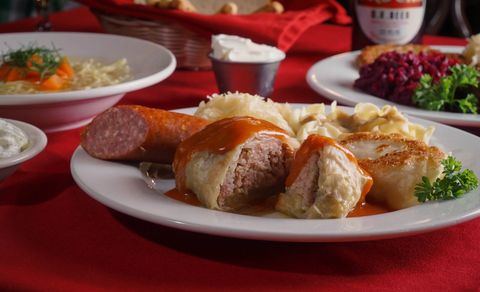
Detroit's Polish heritage is still right there in the church steeples, on Hamtramck's streets and on the plate. This Saturday starts at the downtown Pulaski statue (made, as it happens, by a sculptor born in Hungary), then heads to Hamtramck for a local history museum, a Polish import shop open since 1958, the town's cathedral-size church and a pierogi lunch, before a modern Polish dinner on the east side. Hamtramck today is a true mix: Yemeni, Bangladeshi and Bosnian families live here alongside the Polish old guard.
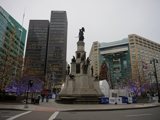
Start downtown in the median of Washington Boulevard, where Casimir Pulaski, the Polish cavalry commander who died for American independence, stands in bronze, saber in hand. It was dedicated on September 4, 1966, on behalf of metro Detroit's Polish Americans, and the sculptor was Ferenc Varga, a Hungarian émigré born in Székesfehérvár.
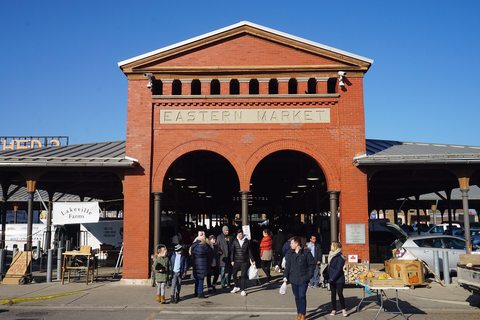
↓ Short drive northeast to the edge of Eastern Market.
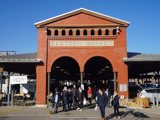
The Mother of Divine Mercy parish, a Polish Catholic congregation, runs two churches from one office: Sweetest Heart of Mary near Eastern Market and St. Josaphat, built in 1900. Visits are by appointment; if you couldn't book one, the church is still worth a look from outside.
↓ Short drive north to Hamtramck's main street, Joseph Campau Avenue.
This free local history museum, opened in 2013, tells Hamtramck's story from Polish enclave to one of America's most diverse small cities, with thousands of photos, documents, political memorabilia, films and maps. The nonprofit behind it, Friends of Historical Hamtramck, also leads walking and bus tours of the city.
A family-run Polish import shop since 1958: amber jewelry, stoneware, folk art, wycinanki paper cuts, pisanki eggs and Christmas ornaments, plus Polish candies, dried mushrooms and preserves for the basket. The education room next door hosts egg-decorating classes and folk-art demos.
↓ Short walk, or a quick drive, along Poland Street.
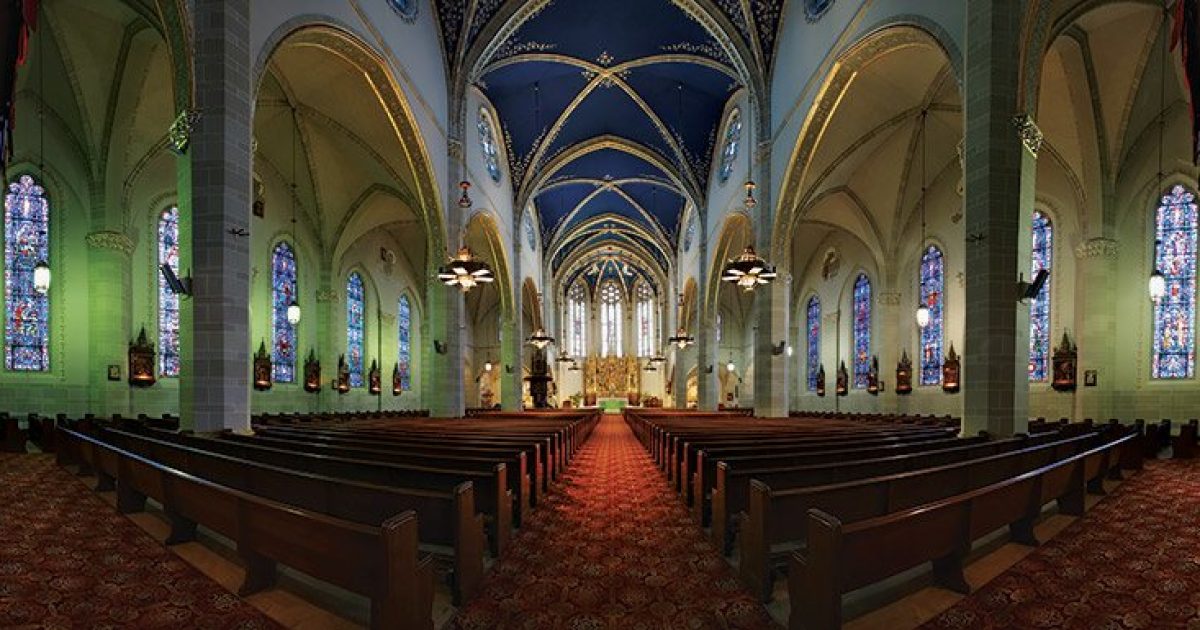
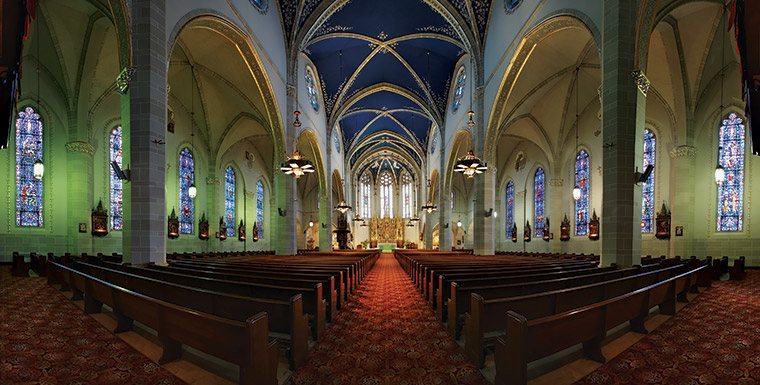
Polish immigrants working in Hamtramck's auto plants founded the parish in 1907 and raised the money for this Ralph Adams Cram design, dedicated on October 21, 1928. Its nearly 200-foot spire is the tallest point in Hamtramck; inside are a blue ribbed vault, windows of five Polish saints and altars finished in real gold leaf. Cardinal Karol Wojtyla, the future Pope John Paul II, said Mass here in 1969.
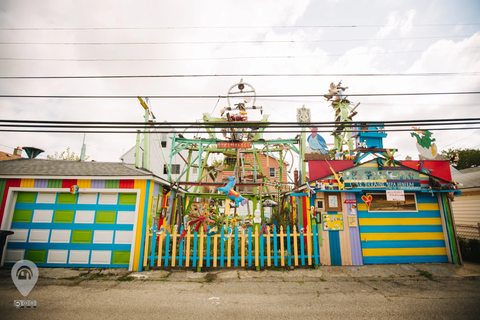
Retired autoworker Dmytro Szylak built this colorful art world out of found objects above and between the garages. It's not an amusement park but one man's life's work, now cared for by Hatch Art; the alley between Klinger and Sobieski gives you the best view.
↓ Drive southeast to the east side, onto Jefferson Avenue.
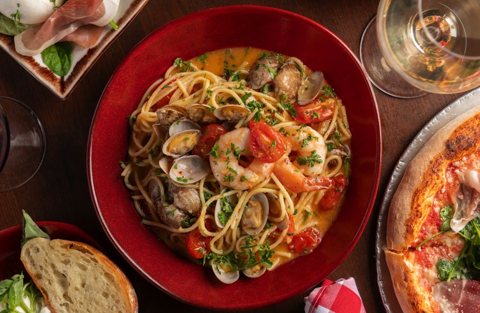
Dinner on the east side: Roses Fine Food now calls itself a Polish restaurant cooking with Michigan produce. Forget the old breakfast write-ups and check its own site for current dinner service and reservations.
↓ Cab or drive back to your hotel from here.
Good to know
Make it a Saturday: the Hamtramck Historical Museum opens Friday through Sunday afternoons (Saturday 11 a.m. to 4 p.m.), and admission is free.
St. Florian's interior is best seen around Mass, so check the parish's Mass schedule. Sweetest Heart of Mary and St. Josaphat are by appointment only: (313) 831-6659.
Up in Troy on a Friday? In season, Wawel Royal Castle Polish Bar & Restaurant runs no-cover live music nights; check their schedule.
People live in the houses around Hamtramck Disneyland: view it from the alley between Klinger and Sobieski and don't climb anything.
More ways to shareDiscord · Viber · Instagram · Microsoft Teams · Slack · LINE · Pinterest · Tumblr · Mastodon · Nextdoor · Flipboard · Gmail · Outlook · Yahoo Mail · With a QR code














 6 stops
 6 stops
 8 stops